
As the 139th Canton Fair approaches in April 2026, the spotlight on Aluminium Cnc Machining trends intensifies. Industry expert Dr. Emily Chen highlights, "Innovation in Aluminium CNC machining will redefine industry standards and product quality." Her insights emphasize the need for adaptation amidst evolving market dynamics.
The fair will showcase cutting-edge technologies spanning over 155,000 square meters. Attendees will witness advancements that enhance efficiency and precision in Aluminium CNC machining. The introduction of AI-powered search and navigation tools will streamline the process for buyers, enabling them to identify qualified suppliers effectively. This evolution is not without its challenges; many companies must confront their adaptation limits.
Aluminium CNC machining is experiencing a significant transformation. Trends like automation, sustainability, and advanced materials are emerging. Each of these trends brings opportunities and hurdles. The fair will be a crucial platform for industry players to reflect on their strategies and innovate. Challenges must be met head-on to stay competitive in a shifting landscape.
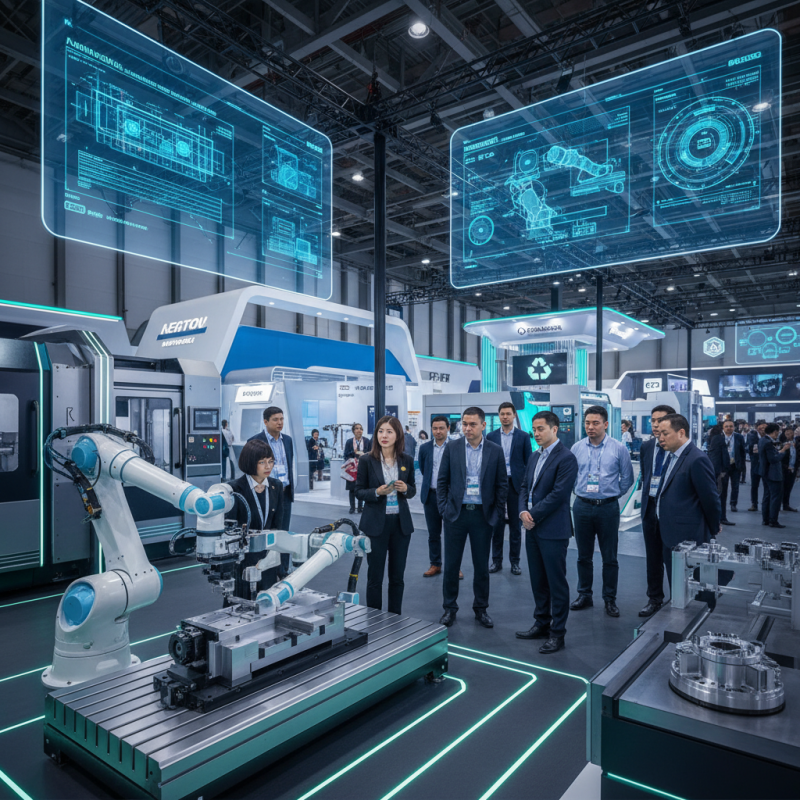
As we look forward to the 2026 Canton Fair, the aluminium CNC machining sector is set to evolve rapidly. New technologies are emerging that promise to reshape the industry. Smart automation is at the forefront, drastically improving efficiency. These systems can detect issues in real time. This reduces waste and increases precision.
Another exciting aspect is the integration of artificial intelligence. AI algorithms can optimize machining processes based on data analysis. This predictive capability helps manufacturers to minimize downtime. However, there are challenges. Not everyone is familiar with AI. Many operators still depend on traditional methods. Training and adaptation will be crucial for success.
3D printing is also making waves. It complements CNC machining by allowing rapid prototyping. This combination speeds up the development process. Yet, the harmony between these technologies isn't seamless. Issues like material compatibility arise frequently. Companies will need to experiment and adapt. Balancing innovation with practical application will be key in the evolving landscape.
As the demand for aluminium components grows, sustainability in CNC machining has become crucial. The aluminium industry produces around 2.7 tons of CO2 for every ton of aluminium produced. This statistic highlights the need for more eco-friendly practices.
Recycling aluminium is essential. Recycled aluminium requires 95% less energy than new aluminium. This presents an opportunity for businesses to reduce their carbon footprint significantly. Many manufacturers now use closed-loop systems. These systems recycle scrap aluminium generated during the CNC machining process. Such practices not only cut waste but also lower costs.
However, challenges remain. Some companies lack the infrastructure to implement sustainable practices. Transitioning to greener methods often requires upfront investments. This can deter smaller firms from embracing change. Nevertheless, the potential benefits are substantial. Companies willing to adapt can enhance their market position by meeting the increasing demand for sustainable practices in aluminium CNC machining.
The landscape of aluminium CNC machining is evolving rapidly, driven by advanced software solutions. These technologies are streamlining processes, enhancing precision, and reducing production time. According to a report by Grand View Research, the CNC machining market is projected to exceed $100 billion by 2026. The integration of software tools plays a crucial role in this growth.
Real-time monitoring and data analytics are becoming standard. These tools allow manufacturers to identify inefficiencies quickly. For instance, 70% of manufacturers reported improved productivity by utilizing software for analytics. Yet, there are still gaps in the adoption of these technologies. Smaller businesses often struggle with implementation due to costs or lack of knowledge.
Moreover, software innovations facilitate seamless integration with existing systems. This can lead to potential challenges, such as data security risks. In 2023, over 40% of companies faced security breaches related to integrated systems. These issues highlight the need for ongoing training and support. Manufacturers must be vigilant and proactive in addressing these vulnerabilities. The future of aluminium machining relies heavily on software solutions, but careful consideration is paramount.
| Trend | Description | Impact | Future Outlook |
|---|---|---|---|
| Automation Integration | Incorporating automated systems to enhance precision and efficiency. | Improved productivity and reduced human error. | Expected to dominate the sector by 2026. |
| Advanced Software Solutions | Utilizing AI and machine learning for smart CNC programming. | Optimized machining processes and material usage. | Rapid growth in software capabilities expected. |
| Sustainability Practices | Focus on eco-friendly machining processes and materials. | Lower carbon footprint and better compliance with regulations. | Companies are pivoting toward sustainable manufacturing. |
| 3D Printing Integration | Combining CNC machining with 3D printing technologies. | Increased design flexibility and reduced waste. | Collaboration between CNC and additive manufacturing expected to rise. |
| Digital Twin Technology | Creation of virtual models for process optimization. | Enhanced predictive maintenance and troubleshooting. | Adoption rates to grow as technology matures. |
| Real-time Monitoring | Use of sensors for immediate performance feedback. | Faster response to production issues and downtime. | Increasing demand for improved monitoring systems. |
| Micro-Machining | Precision machining for small-scale applications. | Tailored production solutions for specialized industries. | Growing trend as industries seek high-precision parts. |
| Cloud-Based Platforms | Software that enables remote access to CNC operations. | Enhanced collaboration and data sharing for teams. | Widespread adoption expected as the cloud technology evolves. |
| Enhanced Safety Features | Incorporation of advanced safety measures in machines. | Reduced accidents and safety compliance improvements. | Increasing focus on workplace safety regulations. |
| Customization Capabilities | Greater ability to customize products based on demand. | Enhanced customer satisfaction and market responsiveness. | Expect to see more tailored solutions in the industry. |
The aluminium CNC machining market is set for significant growth in 2026. Various factors drive this demand. The rise of lightweight materials in industries like aerospace and automotive is a key element. Companies are looking to reduce weight and improve fuel efficiency. This trend opens up new opportunities for manufacturers ready to adapt.
Technological advancements also play a crucial role. The introduction of smart machining systems enhances efficiency and precision. However, the industry faces challenges. Skills shortages in CNC programming and machine operation create a gap. Investing in training can help bridge this disconnect.
Environmental concerns impact market dynamics as well. Many businesses now prioritize sustainable practices. The use of recyclable materials is more prominent. This shift may require rethinking equipment and processes. Reflecting on these trends reveals a landscape rich in opportunity but also in complexity. Adaptability and innovation will be key for success in 2026.
The aluminium CNC machining industry is witnessing rapid innovations. Tools and equipment are evolving to boost efficiency and precision. During the 2026 Canton Fair, attendees will explore groundbreaking technologies. Advanced tool designs will enhance cutting performance. These innovations promise to reduce production time significantly.
New machining techniques are gaining traction. For example, automation is on the rise. Automated systems can improve productivity, but they come with challenges. Training staff to operate new equipment is crucial. Upskilling may take time and resources. Additionally, the transition period can disrupt usual operations.
Environmental considerations are also taking center stage. Sustainable materials and energy-efficient machines will be highlighted. However, the effectiveness of these tools can vary. Some may not perform as expected in real-world situations. Addressing these limitations will be essential for manufacturers looking to innovate responsibly. As the industry evolves, continuous reflection on practices will lead to better outcomes.