Discover the Benefits of Cast Nylon Pipe for Your Projects?
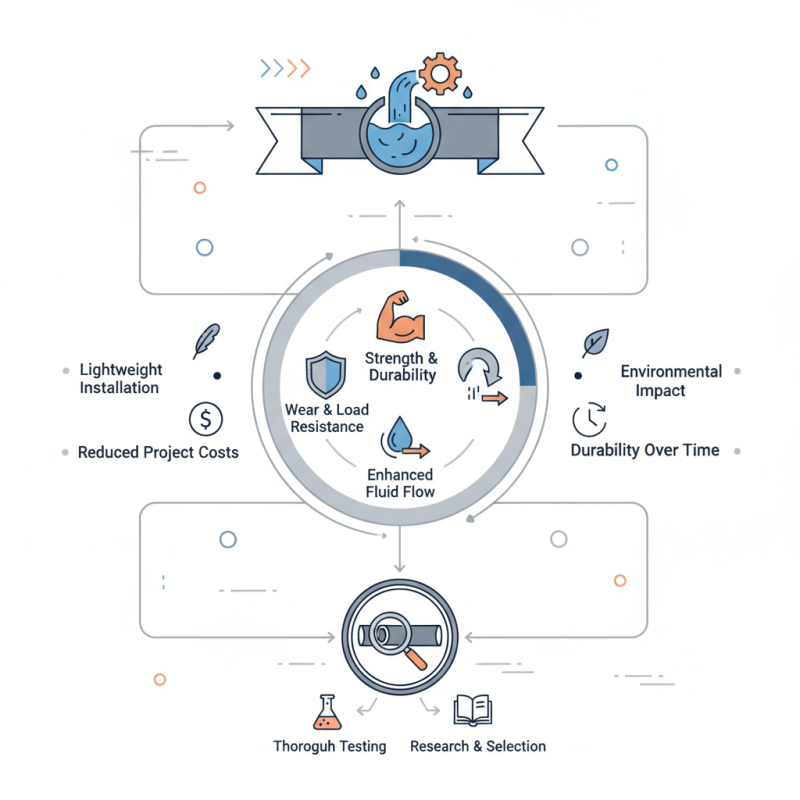
Cast Nylon Pipe has gained attention in various industries for its unique properties and benefits. John Thompson, an industry expert with over 20 years of experience, emphasizes its importance: "Cast Nylon Pipe is revolutionizing how we approach fluid transport." This material offers remarkable strength and durability, making it ideal for demanding applications.
Engineers and project managers increasingly turn to Cast Nylon Pipe due to its resistance to wear and excellent load-bearing capabilities. The smooth interior surface reduces friction, enhancing fluid flow efficiency. Additionally, its lightweight nature simplifies installation and reduces overall project costs. However, it is essential to select the right specifications for your specific needs, as not all Cast Nylon Pipe is created equal.
While Cast Nylon Pipe brings numerous advantages, one must also consider its environmental impact and durability over time. Some industry professionals express concerns about long-term performance in extreme conditions. Therefore, thorough testing and research are crucial before implementation. Exploring these factors can help ensure that your projects benefit from the unique qualities of Cast Nylon Pipe.
Understanding Cast Nylon: What It Is and Its Composition
Cast nylon, known for its unique characteristics, has become a popular material in various industries. Its composition includes polyamide polymer, which is typically produced by a casting process. This results in a dense structure that enhances its mechanical strength. According to a recent industry report, cast nylon exhibits superior wear resistance compared to traditional materials. This quality makes it ideal for applications involving friction and stress.
The process of casting nylon allows for the formation of parts with complex geometries. This versatility is significant for engineers and manufacturers looking for customized solutions. Additionally, cast nylon pipes can withstand temperatures ranging from -40°C to 100°C. This property underlines its effectiveness in diverse environments. However, potential limitations exist, such as sensitivity to UV light and low chemical resistance. These aspects necessitate careful consideration during project planning.
Moreover, the inherent stability of cast nylon contributes to its popularity. The material does not easily warp or deform under considerable pressure. As reported by the American Society of Mechanical Engineers, using cast nylon can reduce maintenance costs significantly in piping systems. Despite these advantages, it’s crucial to evaluate the specific requirements of your projects. Balancing benefits with potential drawbacks can lead to more reliable outcomes.
Advantages of Using Cast Nylon Pipe in Construction Projects
Cast nylon pipe offers numerous advantages in construction projects. Its durability and resistance to wear make it an ideal choice for various applications. According to industry reports, cast nylon can outperform traditional materials like metal and plastic in specific environments. It exhibits impressive tensile strength, making it great for high-stress applications.
Another notable benefit is its low friction coefficient, which reduces wear on moving parts. This characteristic is particularly beneficial in applications requiring efficient movement, such as conveyors and machinery. A study conducted by the Engineering Plastics Association highlighted that using cast nylon can lead to a 30% reduction in maintenance costs over five years. Such savings significantly impact project budgets and timelines.
Tip: When selecting materials, assess the specific conditions your project will face. Look for certified suppliers who offer quality assurance. Always remember that while cast nylon has many benefits, its performance can vary with environmental conditions. Regularly review and adjust your material choices based on the latest data and project requirements.
Comparing Cast Nylon Pipe to Traditional Materials: A Cost Analysis
Cast nylon pipe is increasingly gaining traction in various industries due to its superior performance compared to traditional materials. A recent industry report from the Plastics Industry Association indicates that cast nylon can withstand higher temperatures and provide excellent resistance to wear and chemicals. This durability translates into lower maintenance costs and longer lifespans, which are critical for projects where downtime is costly.
When analyzing costs, cast nylon pipe may appear more expensive upfront. However, studies have shown that its longevity and reduced failure rates lead to significant savings over time. According to a 2022 market analysis, projects utilizing cast nylon components experienced a decrease in repair costs by up to 30% over five years. While some may argue that traditional materials are easier to source, the long-term financial implications of cast nylon are becoming harder to ignore.
Moreover, the weight-to-strength ratio of cast nylon is a notable advantage. It allows for easier handling and installation. Despite these benefits, some professionals still hesitate to switch from conventional materials due to familiarity and perceived risks. Transitioning requires careful consideration of project specifications, showcasing a gap in industry knowledge. Understanding these aspects can lead to better decision-making regarding material selection for future projects.
Applications of Cast Nylon Pipe in Various Industries
Cast nylon pipes are increasingly popular in various industries due to their unique properties. Their durability and resistance to wear make them suitable for piping systems in heavy machinery. In the automotive sector, cast nylon pipes are used for fuel lines and coolant systems. They offer excellent chemical resistance, which is crucial for maintaining vehicle performance.
In construction, these pipes are favored for water distribution systems. Cast nylon resists corrosion and can withstand high pressures. This quality reduces maintenance needs over time. The food industry also benefits from this material. Cast nylon pipes are safe for food contact, ensuring hygiene and safety standards are met.
**Tip:** When choosing cast nylon pipes, consider temperature ranges and pressure ratings. Not all pipes are created equal.
**Tip:** Always consult with experts for specific applications. Each industry has unique requirements that influence pipe selection.
Cast nylon does have some drawbacks. For instance, its production process can be time-consuming. In areas where rapid installation is vital, this may cause delays. Additionally, the initial costs can be higher compared to other materials. Understanding these trade-offs is essential for making informed decisions.
Maintenance and Care for Cast Nylon Pipe in Long-term Use
When using cast nylon pipe, maintenance is vital for its longevity. Regular inspections can prevent unexpected failures. Look for signs of wear or damage at least once a month. Even minor scratches can lead to larger issues over time. Addressing these concerns promptly will save time and cost later.
Cleaning is also essential. Use a gentle cleaner and soft cloth to remove dirt and debris. Harsh chemicals can degrade the material. While the pipe is durable, it’s not indestructible. Consider the environment where it's installed. Extreme temperatures or excessive moisture can affect performance.
Additionally, consider the joints and fittings. They can wear out quicker than the pipe itself. Regularly check connections for leaks or looseness. Ensuring they are tight prevents water damage and potential hazards. Taking these small steps can help maintain the integrity of cast nylon pipes for years to come.
Discover the Benefits of Cast Nylon Pipe for Your Projects - Maintenance and Care for Cast Nylon Pipe in Long-term Use
| Feature | Description | Benefits |
| Durability | High resistance to wear and tear, ensuring long-lasting performance. | Reduced replacement costs and downtime. |
| Chemical Resistance | Resistant to various chemicals and fluids. | Safe in harsh environments, preventing leaks and contamination. |
| Low Friction | Smooth internal surfaces reduce resistance to flow. | Improved efficiency and reduced energy consumption. |
| Lightweight | Lighter than metal pipes, easing installation and transport. | Lower transport costs and easier handling. |
| Maintenance | Requires minimal maintenance over its lifespan. | Saves time and resources in upkeep. |
