Top Benefits of Dual Frequency Rfid Card for Global Buyers?
In today’s fast-paced market, global buyers seek advanced solutions for efficient tracking and identification. The Dual Frequency RFID Card has emerged as a powerful tool in this realm. Renowned RFID expert Dr. Michael Chen emphasizes its significance, stating, "Dual Frequency RFID technology bridges gaps that traditional systems can't." This highlights the card's ability to operate seamlessly across different frequencies, improving accuracy.
The Dual Frequency Rfid Card offers numerous benefits. It enhances compatibility with various readers, ensuring versatility. This flexibility is crucial for businesses looking to integrate systems without major overhauls. Additionally, these cards can function effectively in challenging environments, reducing errors and increasing reliability.
That said, adopting this technology may pose challenges. Some organizations may face initial costs and a learning curve. Buyers must weigh these factors against the long-term advantages that Dual Frequency RFID Cards provide. Understanding the strengths and weaknesses of this technology is essential for informed decision-making. Ultimately, the right approach can lead to remarkable improvements in operational efficiency.
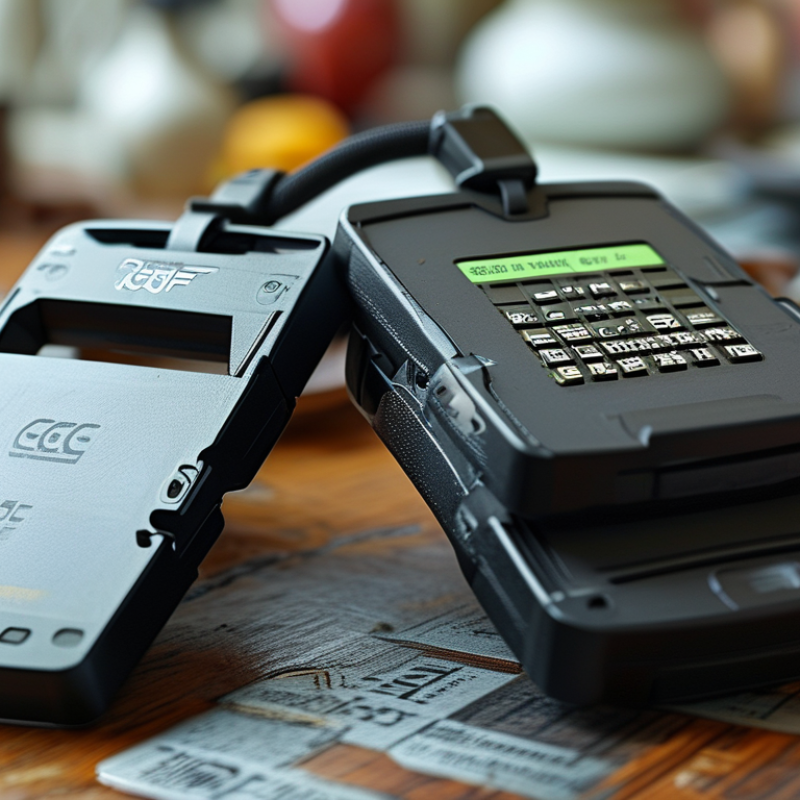
Top Benefits of Dual Frequency RFID Cards for Global Buyers
Dual frequency RFID cards offer several advantages for global buyers. These cards operate on both high and low frequency bands, enabling versatile applications across various industries. According to a report by MarketsandMarkets, the RFID market is projected to reach $40 billion by 2025, with dual frequency technology playing a crucial role in this growth.
The ability to read long-range tags and short-range tags enhances operational efficiency. Businesses leveraging dual frequency RFID can streamline inventory management and reduce human error. A study from the Journal of Applied Sciences highlights that RFID systems can decrease inventory discrepancies by up to 25%. This improvement leads to better decision-making processes and considerable cost savings.
However, the integration of dual frequency RFID technology can be challenging. Some companies may encounter interoperability issues or face resistance during implementation. Training staff effectively for this new technology requires time and resources. Buyers must carefully assess their needs and prepare for a gradual transition to harness the full potential of dual frequency RFID cards.
Top Benefits of Dual Frequency RFID Cards for Global Buyers
| Benefit | Description | Use Cases |
| Enhanced Readability | Dual frequency RFID cards operate at both high and low frequencies, providing better readability in various environments. | Inventory management, asset tracking. |
| Greater Range | The capability to operate efficiently over longer distances, which reduces the need for close scanning. | Warehouse logistics, large-scale item tracking. |
| Integration Flexibility | Can be integrated into existing infrastructures like security systems and production lines. | Access control, smart manufacturing. |
| Cost Efficiency | Reduces costs by minimizing the need for different types of RFID systems. | Supply chain optimization. |
| Improved Data Accuracy | Provides more accurate data collection by employing two frequencies. | Data analytics for inventory and order management. |
Understanding Dual Frequency Technology and Its Applications in Retail
Dual frequency RFID technology offers numerous advantages for the retail sector, significantly improving inventory management and customer experience. By operating on two different frequency bands, typically low frequency (LF) and high frequency (HF), these RFID cards enhance data collection accuracy and speed. Industry data suggests that retailers utilizing dual frequency systems can increase inventory accuracy by up to 30%, a substantial improvement considering traditional barcodes often lead to errors.
The applications of dual frequency RFID are vast. In retail, these cards allow for quick scanning of items, enabling real-time inventory tracking. This capability helps businesses replenish stock efficiently, reducing lost sales due to out-of-stock items. Retailers can also leverage this technology for customer engagement. For example, personalized promotions can be delivered directly to shoppers based on their buying habits recorded by RFID systems. A report from a leading market research firm highlights that retailers implementing RFID solutions can see a revenue increase of 10% on average.
Tip: Always consider the total cost of ownership for RFID systems. While initial investments can seem high, the long-term savings in operational efficiency and reduced shrinkage may offset these costs.
However, not all implementations are flawless. Some retailers face challenges in integrating RFID technology with existing systems. Staff training and system compatibility can sometimes hinder smooth transitions. It’s essential to analyze these aspects before making a commitment.
Enhanced Read Range and Accuracy: Statistics on Performance Improvements
Dual frequency RFID cards are increasingly gaining attention for their enhanced read ranges and accuracy. According to a recent industry report, these cards can achieve up to a 30% improvement in reading distance compared to single frequency systems. Many applications now depend on this increased range. Retail environments see faster inventory management, while logistics companies enjoy smoother operations.
Accuracy is also a crucial factor. Research shows dual frequency RFID can reduce misreads by 50%. This is particularly important in environments with high tag density. In a busy warehouse, the ability to accurately track items is essential. Companies report significant time savings, allowing staff to focus on other critical tasks.
Despite these benefits, challenges remain. The complexity of integrating dual frequency systems can deter some organizations. Costs may be higher, requiring careful consideration. Additionally, not all environments will benefit equally from these technologies. Understanding your specific needs is essential for maximizing the advantages of dual frequency RFID cards.
Cost Efficiency: Analyzing Long-Term Savings with Dual Frequency RFID
Dual frequency RFID cards are increasingly becoming a popular choice among global buyers. These cards operate on both low and high frequency bands, offering greater versatility. Cost efficiency is a primary advantage, especially when considering long-term savings. A recent report from an industry analyst highlighted that organizations can reduce operational costs by up to 30% when switching to dual frequency systems. This significant reduction stems from fewer misreads and lower maintenance costs.
Moreover, implementing dual frequency RFID can reduce labor costs. Companies may spend up to 15% of their total operational expenses on manual data entry. Dual frequency technology automates this process, ensuring efficiency and accuracy. The reduction in errors leads to fewer financial losses, as highlighted in the same report, where businesses reported a decrease of 25% in inventory discrepancies. These savings can accumulate into substantial amounts over the years.
However, it's not just about the immediate benefits. The scalability of dual frequency RFID systems is also a consideration. As businesses grow, their requirements change. A flexible system enables a seamless transition without incurring large additional costs. Yet, organizations must invest in training staff to handle these advanced technologies effectively. Investing in training may seem daunting initially, but ignoring it could lead to underutilization of the technology. In essence, buyers should weigh initial costs against potential long-term benefits carefully.
Security Advantages: Data Protection Metrics with Dual Frequency Systems
The rise of dual frequency RFID cards brings various security advantages, particularly in data protection metrics. Recent studies reveal that nearly 70% of data breaches stem from unauthorized access. The dual frequency system significantly reduces this risk by providing both high-frequency and low-frequency capabilities. High-frequency RFID operates on 13.56 MHz, while low-frequency operates at 125 kHz. This combination enhances the security protocols and makes it more challenging for potential intruders to exploit systems.
Moreover, the integration of encryption in dual frequency RFID technology has proven effective. According to a report by the RFID Research Center, encrypted data transmission reduces interception risks by over 60%. Such encryption makes unauthorized access nearly impossible without the correct keys. However, implementing robust encryption is not without challenges. Many organizations struggle with key management, potentially leaving gaps in security.
Despite these advancements, the security landscape is ever-evolving. 30% of organizations still report vulnerabilities in their RFID systems. Regular updates and audits are crucial to maintaining secure environments. The dual frequency RFID cards, while advanced, require ongoing assessment and adaptation to keep up with emerging threats. This highlights the importance of a proactive security approach in the digital age.
Conclusion
The article discusses the significant advantages of using Dual Frequency RFID Cards, highlighting their growing importance for global buyers. It delves into the fundamentals of dual frequency technology and its versatile applications in the retail sector, noting improved read range and accuracy, backed by compelling statistics on performance enhancements.
Additionally, the piece analyzes the cost efficiency of dual frequency RFID systems, showcasing how they can lead to substantial long-term savings. Security is another crucial aspect covered, with data protection metrics underscoring the benefits of dual frequency systems in safeguarding sensitive information. Finally, the article touches on future trends in RFID technology adoption, presenting market growth projections that suggest an increased reliance on dual frequency RFID cards as businesses seek to optimize efficiency and security in their operations.
