What are the Benefits of Fiber Laser Welding Machines?
Fiber Laser Welding Machines have revolutionized the manufacturing landscape. Their precision and speed are unmatched, making them essential in various industries. According to a recent report by MarketsandMarkets, the global fiber laser market is expected to reach $5.29 billion by 2025, growing at a compound annual growth rate of 6.6%. This data indicates robust demand for fiber laser technology.
Expert in laser solutions, Dr. Jane Smith, stated, "Fiber Laser Welding Machines offer unparalleled speed and accuracy, reducing production costs significantly." This reflects the broader sentiment within the industry. Many manufacturers experience improved efficiency and enhanced product quality when adopting fiber laser technology.
However, challenges remain. The initial investment is high, and operators require proper training. Some companies struggle with the transition to this advanced technology. There is potential for improvement in training methods to maximize machine capabilities. Nevertheless, the widespread adoption of Fiber Laser Welding Machines indicates their growing importance in modern manufacturing.
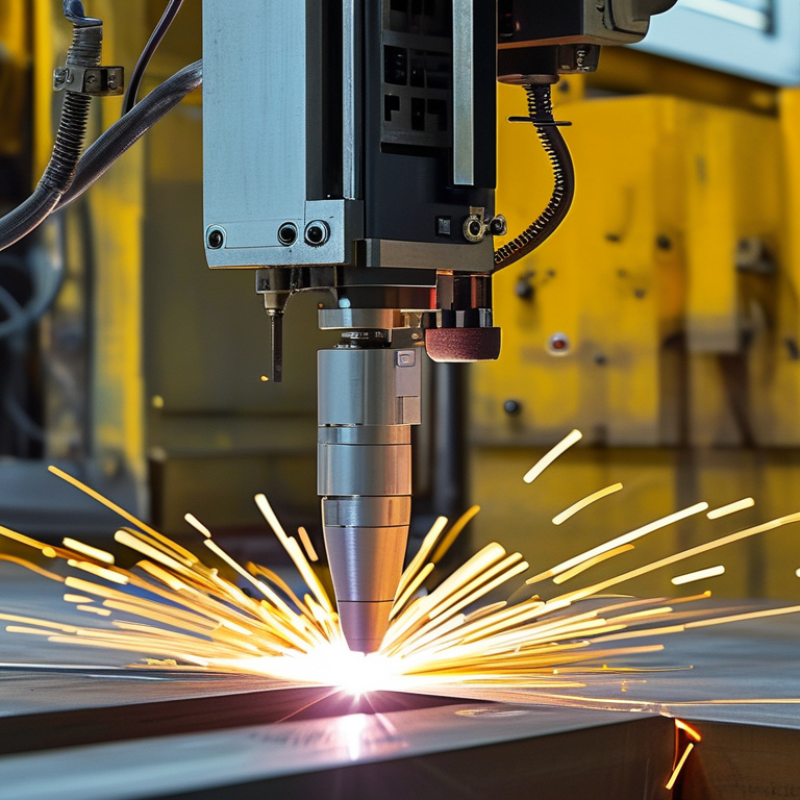
Overview of Fiber Laser Welding Technology
Fiber laser welding technology has gained traction across various industries due to its precision and efficiency. Typically, these systems operate at wavelengths around 1,070 nm, which allows for deeper penetration and faster welding speeds. Research indicates that this technology offers welding speeds up to ten times faster than traditional methods. Notably, the annual growth rate in the fiber laser market is projected to reach 12.2% by 2027. This reflects a broader shift towards more efficient, reliable manufacturing practices.
Utilizing fiber laser welding can also minimize material distortion. The focused beam allows for a smaller heat-affected zone, which means less warping of the metal. Additionally, the energy consumption of fiber lasers is often considerably lower compared to traditional laser systems. A report shows that fiber laser machines can be up to 30% more energy-efficient. Such advancements make this technology not only cost-effective but also environmentally friendly in the long term.
While fiber lasers are primarily known for their advantages, some challenges remain. The initial investment can be high, which might deter smaller businesses. Moreover, the technology requires skilled operators for optimal performance. Training and expertise are crucial for maximizing the potential of fiber laser welding systems. Despite these hurdles, the benefits continue to outweigh the barriers, emphasizing the technology's role in modern manufacturing.
Benefits of Fiber Laser Welding Machines
Advantages of Fiber Laser Welding Compared to Traditional Methods
Fiber laser welding machines offer significant advantages over traditional welding methods. They provide high precision and speed, reducing production time. The focused energy allows for fine welds, minimizing heat-affected zones. This results in less warping and distortion, which is crucial for maintaining the integrity of complex parts.
Another key benefit is the versatility of fiber laser welding. It can join various materials, including metals, plastics, and composites. This adaptability enhances the manufacturing process. There are, however, challenges to consider. Not all materials perform equally well under fiber laser welding, and careful evaluation is necessary. Operators must be well-trained to fully utilize this technology's potential. Understanding the material properties deeply can lead to better outcomes.
Although fiber laser welding proves effective, it requires significant investment in both equipment and training. Companies must weigh these costs against potential efficiency gains. The technology continues to evolve, providing new solutions and improvements. It's essential to stay updated on advancements to remain competitive.
Key Applications of Fiber Laser Welding Machines
Fiber laser welding machines have become vital in various industries. Their ability to weld different materials, including metals and plastics, makes them exceptionally versatile. In automotive manufacturing, for instance, these machines can efficiently join parts together, ensuring a robust assembly. This capability leads to enhanced safety and durability in vehicles.
In electronics, precision is crucial. Fiber laser welding provides the accuracy needed to connect delicate components without damaging them. This technology is crucial in the production of smartphones and laptops, where tiny parts must remain intact during the process. Such applications highlight the importance of precision in modern manufacturing.
However, these machines are not without their challenges. Operators may require extensive training to maximize efficiency and prevent errors. Misalignment can lead to subpar welds, risking product integrity. Continuous adaptation and exploration of better techniques are essential for improving outcomes. Establishing best practices in operation can significantly enhance the machine's overall efficacy in diverse applications.
Cost-Effectiveness and Efficiency of Fiber Laser Welding
Fiber laser welding machines offer numerous cost-effectiveness and efficiency benefits. One notable feature is their ability to reduce operational costs. These machines consume less energy compared to traditional welding methods, leading to lower utility bills. The precision of fiber lasers also minimizes material waste. This waste reduction translates to cost savings, as manufacturers have less scrap material to manage.
Moreover, fiber laser welding machines boast high-speed performance. The rapid welding process increases productivity, allowing businesses to complete more projects in less time. Operators can achieve consistent quality with fewer defects, resulting in reduced rework costs. This efficiency can significantly enhance a company's competitive edge in the market.
However, there are challenges to consider. Initial investment for fiber laser machines can be high. Companies must weigh this cost against potential long-term savings. Training personnel to operate these advanced machines is also essential. There can be a learning curve that requires investment in time and resources. Reflecting on these aspects is crucial for making informed decisions about integrating fiber laser technology.
Future Trends and Developments in Fiber Laser Welding Technology
Fiber laser welding technology is rapidly evolving. New advancements are enhancing its efficiency and precision. The machines are becoming more compact, making them ideal for tight spaces. They can be easily integrated into existing production lines, reducing downtime. Automation is also on the rise, which streamlines the welding process. This shift leads to increased output and reduced labor costs.
Future developments include improved beam quality and welding speed. These enhancements are crucial for industries requiring high precision, such as aerospace and automotive. Researchers are exploring new materials for better energy absorption. This could expand the technology's applications beyond metals. However, challenges remain in terms of energy consumption and equipment costs.
As the field progresses, companies must remain adaptable. Staying updated with these trends is essential to maintain a competitive edge. Regular training for operators will also be necessary to fully utilize these advancements. Companies must question their current practices to embrace innovation effectively. Exploring fiber laser welding's potential requires openness to change and a commitment to improvement.
What are the Benefits of Fiber Laser Welding Machines? - Future Trends and Developments in Fiber Laser Welding Technology
| Benefit | Description | Future Trend |
| High Precision | Fiber lasers offer improved accuracy in welding, resulting in high-quality welds with minimal distortion. | Continued advancements in beam quality will further enhance precision capabilities. |
| Speed | Fiber laser welding is significantly faster than traditional welding methods, increasing productivity. | Integration with automation and robotics to further boost welding speeds. |
| Cost-Effective | Lower operational costs due to higher efficiency and reduced need for maintenance. | Improvements in manufacturing processes will decrease the initial investment costs. |
| Versatility | Can weld a variety of materials including metals, plastics, and even dissimilar materials. | Developments in laser technology will expand the range of materials that can be welded. |
| Minimal Heat Affected Zone | Helps in minimizing the heat affected zone, preserving the material properties. | Advancements may lead to further reductions in heat-related distortions. |
