Best Pe Irrigation Pipe Options for Efficient Farming Solutions?
Agricultural efficiency heavily relies on the tools used in irrigation. Among these tools, the Pe Irrigation Pipe stands out for its effectiveness and durability. Farmers face challenges when selecting suitable irrigation systems. Making the right choice is crucial for optimal crop yield.
Pe Irrigation Pipe solutions offer a blend of longevity and performance. Farmers benefit from their ability to distribute water effectively, ensuring crops receive adequate hydration. Proper use of these pipes can reduce water wastage and promote sustainability. Yet, not all options are perfect. Some pipes may experience wear and tear sooner than expected, leading to operational setbacks.
Discrepancies in quality exist within the market. Farmers need to evaluate various products critically. Reliable sources and expert recommendations are vital in this decision-making process. By choosing the best Pe Irrigation Pipe, farmers can enhance productivity and reduce costs. Efficiency in farming is achievable, but it requires informed choices and continual assessment of available options.
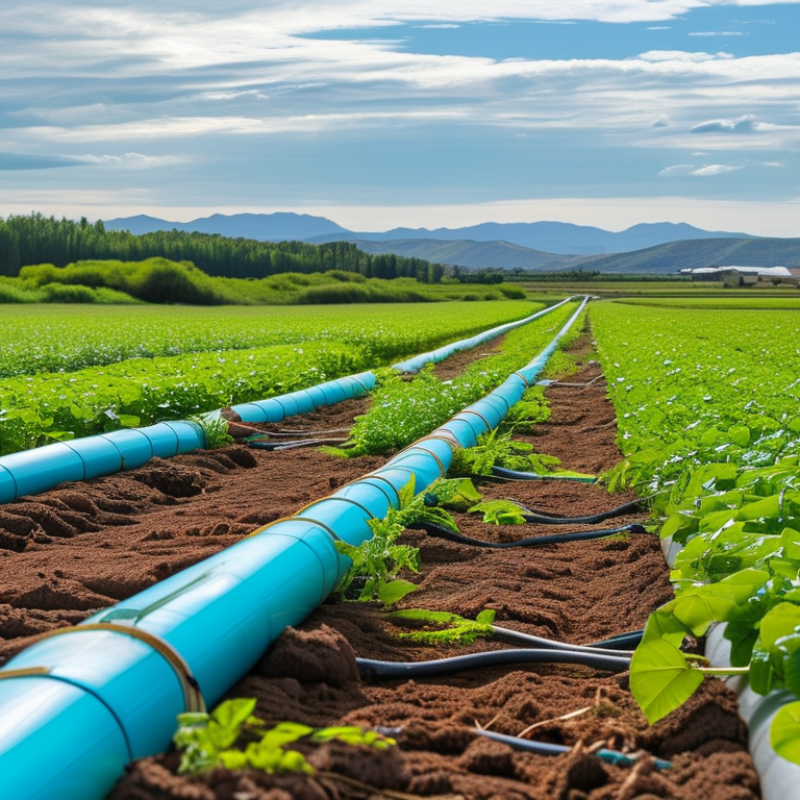
Overview of PE Irrigation Pipes in Modern Agriculture
PE irrigation pipes have become a staple in modern agriculture. Their flexibility and durability make them a preferred choice for efficient watering systems. A report by MarketsandMarkets projected the global PE pipe market to reach $49.35 billion by 2025, reflecting a significant shift towards sustainable farming practices. These pipes are lightweight and resistant to many chemicals, creating opportunities for farmers to enhance irrigation strategies.
The efficiency of PE irrigation systems is notable. Studies indicate they can reduce water consumption by up to 30%. In regions prone to drought, this is crucial for maintaining crop yields. However, not all installations go smoothly. Challenges such as soil conditions and varying temperatures can affect pipe longevity. This calls for careful planning and site evaluation before installation to ensure optimal performance.
Farmers must also consider maintenance. While PE pipes are low-maintenance, issues can arise if not regularly checked. Swelling and potential leaks can occur over time. Proactive assessments can help identify weak spots before they become major problems. Adopting a systematic approach to using PE irrigation can significantly influence yield efficiency.
Key Features of Efficient PE Irrigation Systems
When selecting the best PE irrigation pipes, certain key features are essential for efficient farming systems. Durability is paramount. High-quality PE pipes resist wear and tear from environmental factors. They should withstand UV rays and temperature fluctuations. Flexible designs allow for easy installation and adjustment in various landscapes. Farmers often need to reposition their systems, and flexibility makes this process simpler.
Another important aspect is the flow efficiency of the irrigation system. A well-designed PE pipe network ensures uniform water distribution. This avoids overwatering or dry patches in the fields, which can lead to reduced crop yields. Additionally, proper fittings and connectors are crucial. Improper connections can lead to leaks, wasting valuable resources. Regular maintenance is also necessary; checking for clogs and wear can prevent larger issues down the line.
Using PE irrigation can sometimes present challenges, such as initial setup costs and learning curves for new technologies. Farmers must assess their specific needs to find the optimal solution that works for their operations. The journey toward efficient irrigation is often iterative, requiring careful reflection on both successes and setbacks. Balancing costs with long-term benefits can yield significant rewards.
Comparative Analysis of Popular PE Pipe Brands
When considering PE irrigation pipes, it's essential to evaluate various brands available in the market. Many options exist, each boasting unique features. Key attributes include durability, flexibility, and resistance to chemicals. Users should prioritize pipes that withstand environmental stressors. This ensures longevity and reliable performance in farming.
A comparative analysis reveals some common themes among brands. Most offer pipes in a variety of diameters, catering to diverse irrigation needs. Some pipes are lightweight, making installation easier. Others focus on thicker walls to prevent damage. This keen distinction helps farmers select the right pipe for their land. However, not all options live up to claims. Some materials may degrade faster than advertised, prompting further scrutiny during choice.
Farmers often face challenges like soil type and climate. These conditions can influence the effectiveness of irrigation systems. Regular reviews of materials and performance data are necessary for informed decisions. Both experienced and novice farmers should approach these options with critical thinking. This process is crucial for optimizing water usage and improving crop yield. Making the right choice can significantly impact efficiency in agriculture.
Best PE Irrigation Pipe Options for Efficient Farming Solutions
Installation Techniques for Optimal Irrigation Efficiency
Efficient irrigation is crucial for modern farming. Proper installation techniques can significantly enhance water distribution and crop yield. Research shows that misaligned pipes can lead to water wastage and uneven growth. According to expert reports, up to 30% of irrigation water can be lost due to poor installation. Farmers should ensure that pipes are leveled and adequately anchored to prevent shifting over time.
When installing irrigation pipes, attention to detail is vital. Using a gradient slope will facilitate proper drainage and minimize water pooling. Consistent monitoring is necessary to identify leaks and blockages early. Routine maintenance checks can prevent long-term inefficiencies in your irrigation system.
In terms of sustainability, minimizing water use can boost farm productivity. Studies indicate that optimized irrigation systems can reduce water usage by 20% without affecting crop performance. It’s essential to balance efficiency with environmental responsibility. Farmers should consider the long-term impacts of their installation practices on soil health and local ecosystems. Remember, small adjustments can lead to significant outcomes.
Maintenance Best Practices for PE Irrigation Pipes
Proper maintenance is crucial for maximizing the efficiency of PE irrigation pipes. Regular inspections are essential to detect leaks, blockages, or any signs of wear. Farmers should schedule these checks every few months to prevent minor issues from escalating. Observing the pressure levels in the system can also provide insights about potential problems. If pressure is lower than expected, it may indicate a blockage.
Cleaning is another vital aspect of maintenance. Over time, sediment can accumulate inside the pipes. This buildup can reduce water flow and impact crop health. Flushing the system with clean water periodically helps to minimize this risk. Additionally, using filters at the inlet can prevent larger particles from entering the irrigation pipes. However, it is important to choose filters that suit the specific needs of the farm.
While maintenance practices may seem straightforward, ignoring them can lead to serious consequences. Neglecting regular checks or failing to clean the system might result in costly repairs or even crop loss. It's a reminder that sometimes the simplest tasks can have the biggest impact. Striving for efficiency requires not only the right materials but also a commitment to ongoing care and attention.
