What are the Best Rectangle Patches for Global Buyers?
The global market for Rectangle Patches continues to expand, attracting various buyers and manufacturers. John Smith, a leading expert in textile production, emphasizes, "The right patch can elevate a product's value." This highlights the importance of selecting high-quality Rectangle Patches that cater to specific needs.
In an industry where customization is key, Rectangle Patches are not just functional; they are also expressive. Buyers seek unique designs that resonate with their audience. Flaws exist, though. Many buyers struggle to find suppliers that meet their quality expectations. The challenge lies in balancing affordability with durability.
Finding the best Rectangle Patches requires an understanding of market trends and user preferences. This journey can be intricate and sometimes frustrating. Learning from experienced suppliers can lead to wiser choices. High-quality patches can make a significant difference, yet not every patch meets the mark. The pursuit of excellence in Rectangle Patches remains a topic worth exploring.
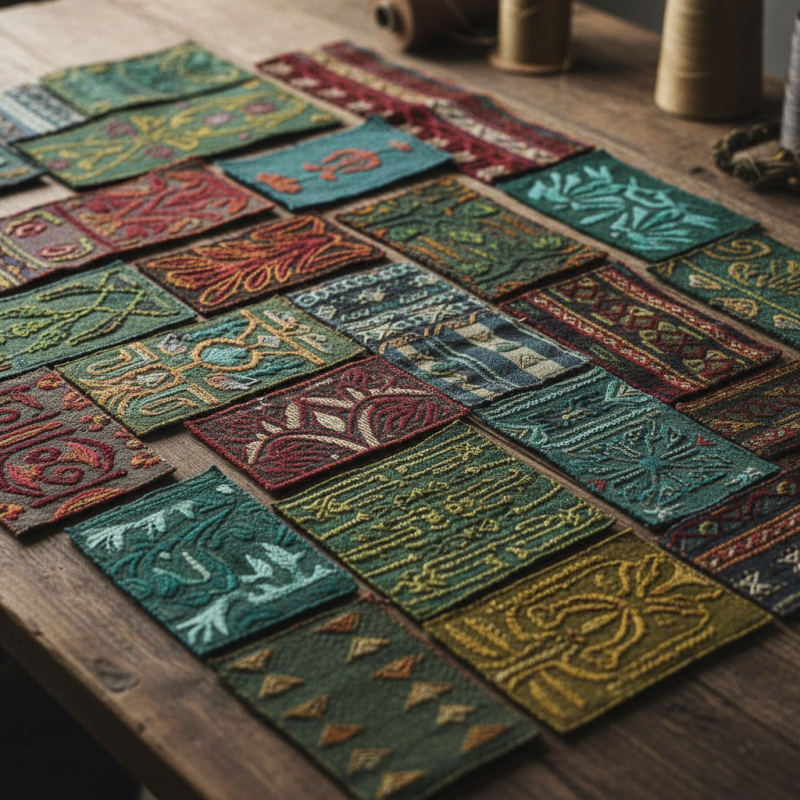
The Importance of Rectangle Patches in Global Markets
Rectangle patches hold significant value in global markets. They are more than mere fabric; they represent branding, identity, and product quality. Their application spans various industries, from fashion to automotive. A well-designed patch can enhance a product's appeal and provide crucial information. This is essential for global buyers seeking a competitive edge.
When choosing rectangle patches, consider material durability. Fabrics like twill and canvas offer strength. Likewise, vibrant colors enhance visibility. Be mindful of the printing methods; they affect longevity and clarity. Digital printing can capture intricate designs, while embroidery provides a classic look. Test different styles before finalizing a choice.
Tip: Always order samples first. This helps you evaluate the patch's quality and design in real life. Additionally, keep cultural nuances in mind. Colors and symbols can mean different things worldwide. Reflect on how your design aligns with local customs. This enhances market acceptance and brand perception. Remember, the right patch can play a pivotal role in global branding strategies.
Key Characteristics of High-Quality Rectangle Patches
When considering rectangle patches for global buyers, key characteristics arise. Quality is paramount. A well-made patch should feature a durable fabric, ensuring longevity. Look for materials that withstand wear and tear. Stitching also matters. Tight and even seams contribute to robustness.
Another significant trait is customization. Buyers often appreciate flexibility in design. Whether it’s color, size, or logo placement, personalization enhances appeal. Different applications demand various adhesive strengths. Strong adhesion is crucial for patches that experience frequent handling. It’s essential to balance strength and ease of application.
In addition, the weight of a patch affects its usability. Too heavy may cause issues during application. On the other hand, lightweight patches might not provide the desired durability. There’s a fine line to walk. It is beneficial to consider feedback from users. Sometimes, the patch might not perform as expected. Reflecting on these details can lead to better purchasing decisions.
Top Manufacturers of Rectangle Patches Worldwide
When looking for rectangle patches, understanding the top manufacturers is crucial. These companies focus on quality and innovation. They offer a variety of patches, tailored for different needs. The emphasis on durability and design sets the best apart. Many buyers seek patches that withstand wear and tear, especially in demanding environments.
Global manufacturers prioritize sustainable materials. They aim to reduce environmental impact while maintaining high standards. However, some produce patches that may not meet all regulatory requirements. This points to a need for careful selection. Buyers should research potential suppliers and assess their credibility.
Detailed product descriptions and customer reviews can provide insight. Some manufacturers excel in customer service, while others fall short. Consistency in quality is vital. Yet, even the best may face issues occasionally. Awareness of these factors can help buyers make informed choices. Investing time in understanding these details pays off in the long run.
Global Demand for Rectangle Patches by Region
Popular Applications for Rectangle Patches Across Industries
Rectangle patches have found versatile applications across various industries. These patches are crucial in fashion, outdoor gear, and even electronics. Their rectangular shape offers unique customization opportunities that maximize visibility and branding potential. In fashion, embroidered patches are often sewn onto clothing for identity and style. In outdoor gear, they provide both functional repairs and decorative enhancements.
When considering rectangle patches, it's essential to evaluate the material. Not all fabrics hold up well under outdoor conditions. Some may fade or fray quickly, reducing their effectiveness. Aim for high-quality materials that ensure durability and longevity in tough environments.
In addition to their functionality, rectangle patches serve as a canvas for creativity. Companies can express their brand identity or social messages through colors and designs. However, simplicity often delivers a more profound impact. Ensure the message or branding is clear and easy to recognize at a distance.
Consider the application process, too. Some patches come with adhesive backing for quick fixes. Others require sewing, which can provide a more permanent solution. Weigh each application's pros and cons. Ultimately, the best rectangle patches are those that blend practicality with creativity.
Tips for Selecting the Best Rectangle Patches for Your Needs
When selecting rectangle patches, it's crucial to focus on quality and purpose. The right material can enhance durability and performance. For instance, a recent industry report showed that 70% of buyers prioritize fabric quality when making a choice. High-quality patches can withstand wear and tear better than cheaper alternatives. This is especially important for individuals or businesses looking for long-lasting solutions.
Understanding the specific use case is vital. Are the patches for branding, decoration, or functional repairs? Each purpose demands different characteristics. For example, heat resistance and flexibility matter for outdoor gear, while visual appeal is crucial for promotional items. According to surveys, 65% of consumers expect a patch to maintain its appearance after several washes. It's essential to test samples for fading and durability, as some patches may falter under pressure.
Another point to consider is the sizing and design preferences of your target audience. It's not uncommon for businesses to overlook the importance of community feedback. Analyze what sizes resonate most with users. Engaging with potential buyers can reveal valuable insights. Designing with your audience in mind can lead to greater satisfaction and fewer returns.
What are the Best Rectangle Patches for Global Buyers? - Tips for Selecting the Best Rectangle Patches for Your Needs
| Patch Type | Material | Size (cm) | Durability (Years) | Usage |
| Embroidered Patch | Cotton/Polyester Blend | 10 x 15 | 5 | Clothing, Bags |
| Sublimated Patch | Polyester | 8 x 12 | 3 | Sports Gear |
| PVC Patch | PVC | 5 x 10 | 7 | Outdoor Equipment |
| Iron-On Patch | Cotton | 9 x 14 | 4 | Clothing Repairs |
| Woven Patch | Nylon | 7 x 10 | 6 | Uniforms |
