What Are the Best Small Utility Tractors from China?
Small utility tractors are often judged by horsepower. That is only part of the story. For a small farm, orchard, greenhouse, or mixed-use property, the best machine must also fit narrow paths, lift common implements, and turn without damaging soft ground. Chinese manufacturers offer a wide range of compact models, but specifications and dealer support can vary considerably.
The Food and Agriculture Organization’s 2022 report, The State of Food and Agriculture: Leveraging Automation in Agriculture for Transforming Agrifood Systems, examines how automation can support productivity while noting that access, affordability, and local conditions affect adoption. That context matters here. A low purchase price may look attractive, yet parts availability, operator comfort, hydraulic capacity, and service response determine whether a tractor stays useful after the first season. Small details count.
This guide compares small utility tractors from China through practical criteria: engine output, transmission, PTO and hydraulic specifications, implement compatibility, build quality, and after-sales support. It also considers the jobs each model suits, from mowing and hauling to light tillage. Model names and specifications can change between markets, so buyers should verify details with the manufacturer or authorized dealer before ordering. A ranked list is helpful, but imperfect; the right choice depends on the work, terrain, and support available nearby.
Defining Small Utility Tractors and Their Core Functions
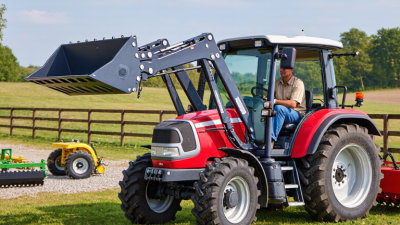
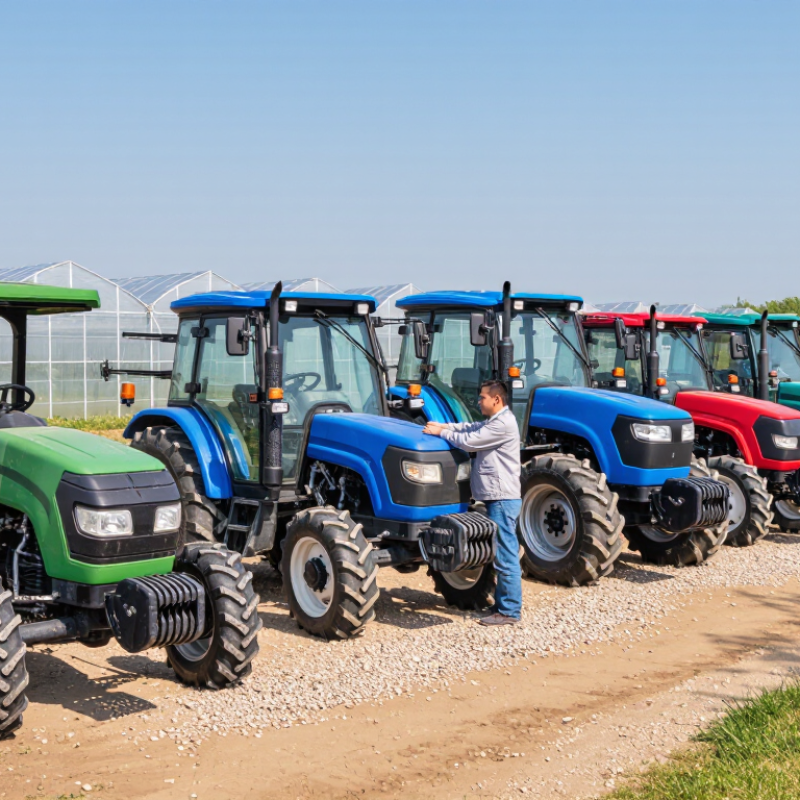
A small utility tractor is a compact machine built to handle several everyday jobs, not just mowing. It typically combines a diesel engine, a three-point hitch, and a power take-off, or PTO. These let an operator pull a small trailer, run a rotary cutter, or lift soil with a compatible implement. Many models also accept a front loader for moving mulch, feed, or gravel. The exact capabilities vary, so engine size alone is a poor guide.
Its core functions are traction, lifting, and delivering power to attachments. A four-wheel-drive setup can help on wet grass or loose ground, while a lower gear makes slow work more controlled. At a farm gate, for example, a loader can carry a bucket of crushed stone without requiring a full-size machine. Fit matters more. Check the tractor’s rated lift capacity, PTO output, hitch category, and the weight of the tools you plan to use. Small tractors can still feel awkward in tight sheds, and a loader may reduce rear traction. That trade-off is easy to underestimate. A sensible match starts with the worksite and implements, then considers horsepower.
What Are Small Utility Tractors? Engine-Power Ranges and Core Uses
Typical engine-power bands by tractor class. Class boundaries vary across markets and manufacturers; these ranges are indicative, not a universal standard.
Core functions: Small utility tractors—often around 40–75 hp in this illustrative classification—are used for loader work, mowing, material handling, light tillage, and operating compatible three-point-hitch or PTO implements. Check an individual tractor’s specifications and implement requirements before matching equipment.
Notable Chinese Brands and Small Tractor Models
Chinese manufacturers offer small utility tractors in several practical classes, from roughly 20-horsepower machines for gardens to 50-horsepower units for mixed farms. Model names and specifications vary by market, so compare the machine’s rated engine power, transmission, and lift capacity rather than relying on its badge. A three-point hitch and power take-off are useful for rotary cutters, small tillers, and similar implements. Check that the tractor can operate them at the required speed.
Cab options, loader packages, and four-wheel drive differ across model ranges. For a narrow orchard, measure the tractor’s actual width, including tires, before choosing. In a muddy field, tire type and weight may matter more than a small power increase. Sit in the seat and test the controls. Details count. Ask for the operator’s manual, parts support information, and warranty terms in writing. A low purchase price can look attractive, but waiting weeks for a replacement filter is no small inconvenience. I would also inspect welds, hose routing, and access to routine service points; these details are easy to overlook in a showroom. Specs help, but local service can make or break ownership.
What Are the Best Small Utility Tractors from China? — Notable Small-Tractor Classes
Comparison note: These are representative specification ranges for small utility tractors, not specifications for particular models. Engine power, PTO speeds, hitch capacity, and available drive or transmission options vary by configuration. Check the manufacturer’s specification sheet and confirm hitch capacity at the stated measurement point before selecting implements.
Comparing Performance, Attachments, and Field Applications
Small utility tractors built in China can differ widely in engine output, weight, and hydraulic capacity. Compare working performance, not just advertised horsepower. A tractor may have enough engine power for a mower but struggle to lift a loaded bucket safely. Check the operating weight, rear lift capacity, PTO rating, and hydraulic flow in the specification sheet. Numbers matter.
Match attachments to real jobs. A rotary tiller suits prepared garden plots, while a flail mower can handle rough grass and light brush. Front loaders help move soil or feed, but repeated heavy lifting demands a suitable counterweight and stable tires. Check PTO speed, shaft size, hydraulic couplers, and the tractor’s approved lift limits before buying. Compatibility can be messy.
Field conditions change the choice. In narrow orchards, a compact frame and small turning radius may matter more than top speed. Wet ground calls for appropriate tires and careful attention to machine weight; extra traction is not a cure for poor soil conditions. I would not judge a tractor from a brief demonstration alone. Ask to see it operate with the attachment you plan to use, and confirm that service parts and manuals are accessible. A detail is easy to miss: loaders can reduce visibility near the front wheels.