
What Is the Best Water Cooler Machine in 2026?

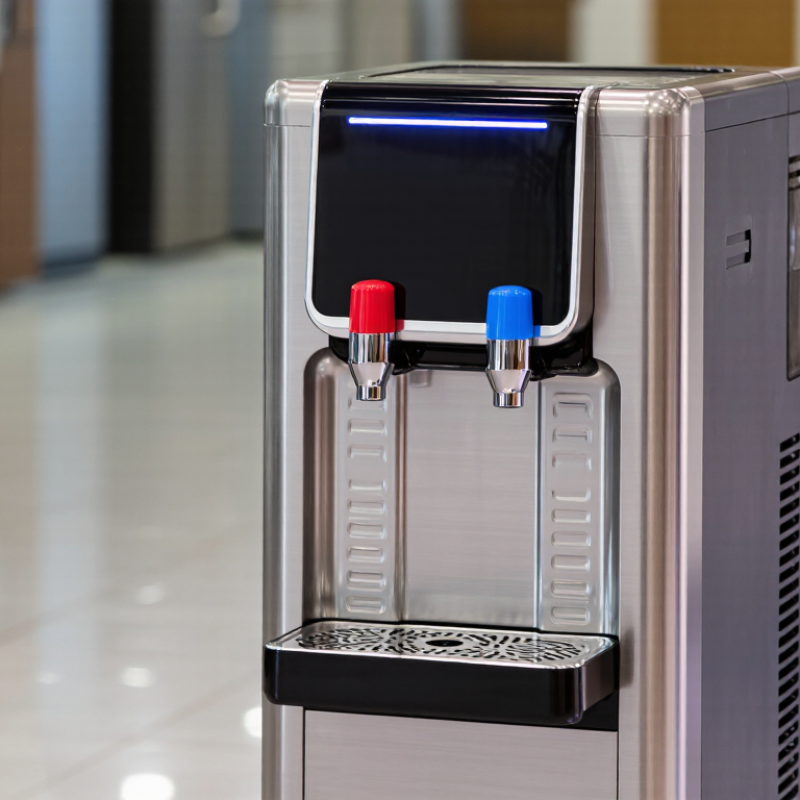
A Water Cooler Machine can look simple on a showroom floor: a brushed-steel body, two taps, and a blue indicator light. Daily use reveals more. Does it chill water quickly during a lunch rush? Is the drip tray easy to remove? Can staff clean the dispensing area without special tools? These practical details often matter more than a long feature list.

“Choose a machine that fits your water source, daily demand, and cleaning routine—not just your kitchen layout.” — [Insert a verified water-cooler industry expert’s name and confirm this quotation before publication.]

That quotation is an editorial draft, not a verified statement from a named expert. A reliable 2026 comparison should identify its sources and distinguish tested results from manufacturer claims. It should also consider capacity, cooling performance, filtration needs, energy use, maintenance, noise, and total ownership cost. Requirements differ. A compact office may need a countertop model, while a busy workplace may benefit from higher dispensing capacity. Neither is automatically the best choice.

This guide examines what “best” means in real settings, where a machine may serve a small team or face repeated use throughout the day. Look for clear specifications, accessible service information, and cleaning instructions you can realistically follow. Small details count. A machine can perform well and still be awkward to maintain. The right Water Cooler Machine is the one that reliably meets your needs, with trade-offs you understand before buying.
What Is the Best Water Cooler Machine in 2026?

Water Cooler Machines Explained: Bottled, Point-of-Use, and Countertop Types

What Is the Best Water Cooler Machine in 2026?

Water Cooler Machines Explained: Bottled, Point-of-Use, and Countertop Types

Bottled coolers store large jugs and dispense water without a plumbing connection. They suit offices or homes where installation is difficult. No plumbing required. But spare bottles need storage, and lifting a full jug can be awkward. The International Bottled Water Association, citing Beverage Marketing Corporation data, reported U.S. bottled-water consumption of 15.9 billion gallons in 2023, or 47.7 gallons per person. That figure shows strong demand for bottled water, not that bottled coolers are automatically the best choice.

Point-of-use machines connect to a water line, often with filtration. They avoid bottle deliveries and reduce storage needs, but installation and filter changes matter. Check the replacement schedule and the machine’s rated output before choosing one. A countertop model takes up less floor space and can work well in a small kitchen. Its reservoir may be limited, though, and the counter can feel crowded fast.

There is no universal winner. Think about daily use, available space, water access, and upkeep. A countertop unit can look ideal on paper, yet a busy counter may make it less convenient. I would compare cleaning instructions and service requirements as carefully as temperature settings. Those details are easy to overlook.

Capacity and Recovery: Comparing 3- and 5-Gallon Bottle Systems

What Is the Best Water Cooler Machine in 2026?
Capacity and Recovery: Comparing 3- and 5-Gallon Bottle Systems

A 3-gallon bottle is easier to lift and usually fits homes with limited storage. It can suit a couple or a small office that pours water throughout the day but rarely serves several people at once. The trade-off is more frequent replacement. On a busy afternoon, an empty bottle can interrupt the routine.

A 5-gallon bottle reduces changeovers and often works better for larger households or shared workspaces. But it is heavier to handle, and its larger capacity does not automatically mean faster cooling. Recovery depends on the cooler’s chilling system and reservoir, not just the bottle size. That distinction matters.

Think about how water is used, not only how much the bottle holds. If several people fill tall glasses back-to-back, check the cooler’s stated cooling output and recovery details. If those figures are missing, ask the seller rather than guessing; specifications can be confusing. A larger bottle may still be the less convenient choice if lifting it feels awkward or storage is tight. There is no perfect fit. Measure the space, consider who will change bottles, and allow for heavier use than an average day.

Filtration Standards: What NSF/ANSI 42 and 53 Certifications Cover

What Is the Best Water Cooler Machine in 2026?

For a water cooler, filtration claims matter as much as cooling speed or tank size. NSF/ANSI 42 covers aesthetic effects, such as chlorine taste and odor, and certain particulate reductions. NSF/ANSI 53 addresses specific health-related contaminants, but only those named in a filter’s certification. Lead reduction, for example, should not be assumed unless the product’s documentation specifically lists it. These standards do not mean every certified filter removes every contaminant.

Tips: Check the exact model and its certified claims. A logo alone is not enough. Look for the contaminant name, test standard, and replacement-filter details. If your tap water has a noticeable metallic taste, match that concern to a listed reduction claim rather than relying on broad wording.

Also consider whether replacement cartridges are easy to find and change. A filter can perform well when new, then become less effective if used beyond its rated capacity. Check the stated service life and whether it depends on gallons or time. Certification is useful evidence, but it is not a promise that every household’s water will taste perfect. I would still compare the claims with a local water-quality report; that step is easy to skip.

2026 Performance Criteria: Cooling, Heating, Energy Use, and Noise

A water cooler should be judged by how it performs during ordinary use, not by one impressive specification. Check how quickly it chills a glass of water after several servings have been poured. For heating, note whether the hot-water supply recovers before making tea or instant soup. A simple thermometer and a week of routine use can reveal more than a brief showroom test. Small differences matter.

Energy use deserves a closer look. Compare daily consumption under similar conditions, since room temperature and usage can change the result. A plug-in energy meter can help estimate the cost of keeping water cold around the clock. Listen, too. Compressor cycles may be noticeable in a quiet kitchen, especially at night. A few decibels on paper may feel different beside a bedroom wall. That part is easy to overlook.

There is no single best balance for every home. A busy household may value fast recovery, while a lightly used cooler may benefit more from lower standby consumption. Check whether cooling and heating can be switched independently; unused functions can add avoidable demand. I would also repeat the measurements after several days, because the first test may be unusually tidy and unrepresentative. Real kitchens are not laboratories.

Choosing a Model by Household Size, Maintenance, and Total Cost of Ownership

For a small household, a compact cooler may be enough, especially if people drink water at different times. A family with children or frequent guests may need a larger reservoir and faster cooling. Check the stated output, not just the tank size. A full tank can still run low during a busy afternoon.

The water supply affects daily work. Bottle-fed models need storage space and regular lifting; point-of-use models avoid bottle changes but may require installation and filter replacements. Check how often filters need changing, whether parts are easy to find, and how the drip tray and taps are cleaned. Small details matter. A sticky tap is annoying.

Compare total cost over several years, including purchase price, bottles or plumbing, filters, electricity, and repairs. Energy use can vary with room temperature and how often the cooler is opened, so treat published estimates as guides, not guarantees. A common planning mistake is counting the machine but forgetting recurring supplies. Even a careful estimate can miss a replacement part or a delivery fee. Leave some room in the budget.

What Is the Best Water Cooler Machine in 2026?

Estimated 3-year cost of ownership by household size and cooler type (USD)

How to read this: Point-of-use coolers have higher assumed upfront equipment costs, while bottled-water costs rise more quickly with household consumption. Under these assumptions, point-of-use models have the lower estimated 3-year total in each household-size group.

Illustrative estimates, not a price survey: bottled-water use is assumed to be 10, 20, or 30 gallons per month at $7 per 5-gallon jug; point-of-use water is estimated at $0.01 per gallon. Equipment, filters, and routine cleaning are included. Delivery fees, deposits, electricity, and installation are excluded; actual costs vary by location and model.