How to Choose the Best Laser Cutting Machine for Your Needs?
In today's manufacturing landscape, selecting the right laser cutting machine is crucial for efficiency and precision. The global laser cutting market is projected to reach $5.66 billion by 2026, according to a report by MarketsandMarkets. This rapid growth reflects the importance of these machines in various industries, from automotive to aerospace. Experts emphasize that the choice of a laser cutting machine can significantly impact production costs and quality.
John Smith, a noted industry expert, once remarked, "Investing in the right laser cutting machine can set a business on a path to innovation." This statement underlines the necessity for businesses to evaluate their specific needs carefully. With a plethora of options available, the decision-making process can be overwhelming. Not every machine suits every task, and poor choices may lead to operational inefficiencies.
Choosing a laser cutting machine demands close attention to factors like material types and cutting thickness. It's essential to weigh these considerations against the machine's capabilities. In a fast-evolving market, understanding both your current and future needs is critical. Failure to do so may result in missed opportunities and unnecessary expenses. This complexity reinforces the importance of conducting thorough research before making a commitment.
Understanding Your Cutting Needs and Materials
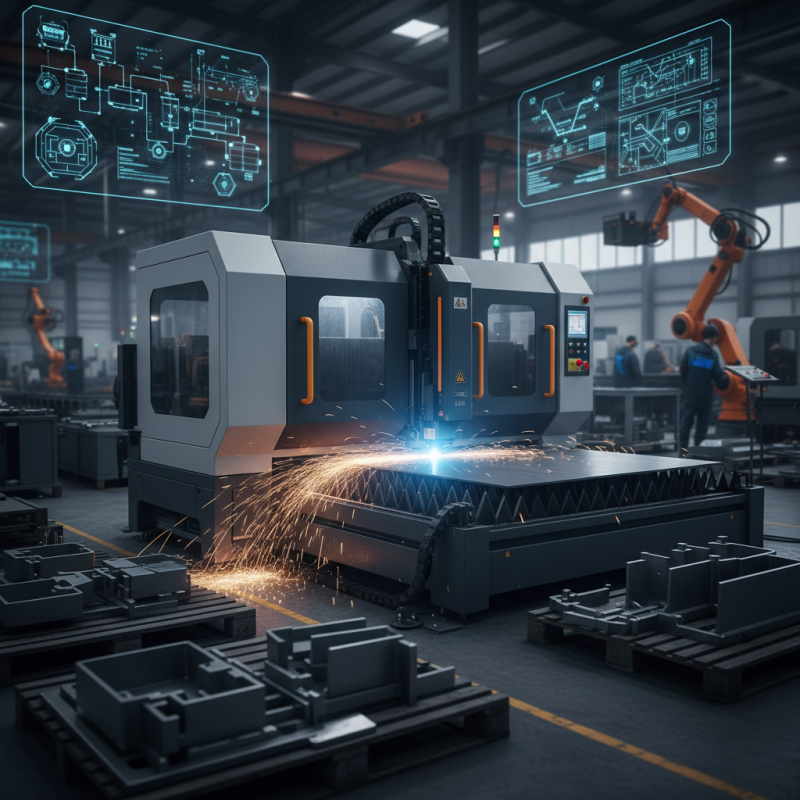
When selecting a laser cutting machine, understanding your cutting needs is crucial. The type of materials you'll work with directly influences your choice. For instance, different lasers handle metals, plastics, and wood differently. For laser cutting metals, CO2 lasers are often preferred. They offer precision but require specific gases, which can complicate usage.
Research shows that nearly 50% of businesses struggle to identify their material needs accurately. This can lead to poor machine selection. To avoid this pitfall, assess your primary materials first. Are you cutting thick plywood or thin acrylic? Each material has different requirements regarding power and speed. A machine that’s too powerful might burn through thin materials, while one that’s too weak could struggle with thicker items.
Furthermore, consider the thickness of your materials. Reports indicate that users often underestimate the importance of this factor. If you require cutting materials exceeding 10mm, a high-powered fiber laser may be essential. This can become a significant investment point. Think critically about long-term projects versus immediate needs. Balancing your current requirements and future capabilities can be challenging.
Evaluating Different Types of Laser Cutting Machines
When choosing a laser cutting machine, it's crucial to evaluate the different types available. CO2 laser cutters dominate the market, accounting for nearly 75% of machine sales in 2022. These machines excel in cutting non-metal materials like wood, acrylic, and fabric. However, they may not be the best choice for metals.
Fiber lasers have gained traction recently. They are often preferred for cutting metals and are seen in 60% of new industrial installations. Their efficiency and speed can be appealing. Yet, they might not perform well on thicker materials. Some users express concerns about the initial investment needed for fiber laser machines.
Finally, consider the application. An affordable option could be a desktop laser cutter. These machines are suitable for small projects and startups. But they have limited power and speed. It's essential to think about the long-term needs of your business. Each machine type has pros and cons. The right choice will depend on specific requirements and budget constraints.
Key Features to Consider in a Laser Cutting Machine
Choosing the right laser cutting machine can be daunting. Key features should align with your specific needs. Consider the type of materials you will cut. Different machines excel with various materials like metal, wood, or acrylic. The power of the laser is crucial. Generally, a higher wattage means faster cutting speeds. A 100W machine, for instance, can cut through 10mm acrylic efficiently.
Another essential feature is the cutting area size. Larger tables offer versatility. If you plan to work with big sheets, opt for a machine that accommodates those dimensions. Furthermore, look for adjustable settings. This allows you to fine-tune speed and intensity based on material thickness.
Tips: Always check the maintenance requirements. Some machines need more frequent upkeep than others. You might prefer a machine that offers easier repairs or access to parts. Lastly, focus on software compatibility. Ensure the machine supports popular design programs. It can be frustrating to work with a system that doesn’t integrate well.
Take your time comparing specifications. Mistakes can cost you. Ask for user reviews or request a demo. This will help gauge the real-world performance of the machine. Remember, choosing thoughtfully can enhance your productivity and final results.
Budget Considerations for Purchasing a Laser Cutting Machine
When considering the purchase of a laser cutting machine, budgeting is crucial. Prices vary widely based on features, size, and capabilities. It's vital to define your needs clearly before making a decision. Are you cutting thick materials or delicate designs? Knowing this helps narrow down your options.
A common pitfall is overlooking hidden costs. Maintenance, replacement parts, and software can add up. You may find a low initial price tempting, but the total cost can surprise you later. Always ask about warranties and service plans. Consider the durability of the machine as well. A cheaper model might need frequent replacements.
Tips: Research different models and customer reviews. This can illuminate potential issues. Set a budget range and stick to it. Flexibility is necessary, but overspending isn't wise. Consider financing options if needed. They can help manage cash flow. Engage with your local maker community. They often share valuable insights that can steer you in the right direction.
How to Choose the Best Laser Cutting Machine for Your Needs?
| Machine Type | Power (W) | Max Cutting Thickness (mm) | Material Compatibility | Price Range ($) |
| CO2 Laser Cutter | 40 - 150 | 10 - 20 | Wood, Acrylic, Leather | 2,000 - 10,000 |
| Fiber Laser Cutter | 500 - 3000 | 5 - 15 | Metal, Stainless Steel, Aluminum | 5,000 - 50,000 |
| Diode Laser Cutter | 1 - 20 | 2 - 5 | Wood, Paper, Some Acrylics | 500 - 3,000 |
| Green Laser Cutter | 20 - 100 | 1 - 3 | Acrylic, Glass, Ceramics | 1,000 - 8,000 |
Supplier Reputation and Customer Support Evaluation
When selecting a laser cutting machine, evaluating the supplier's reputation is crucial. A reputable supplier often has a history of reliability and quality. Look for reviews and testimonials from previous customers. These can provide insight into the product's performance. Check online forums or industry publications to find discussions about different suppliers. You might notice repeated names becoming a theme. This repetition can indicate industry trust.
Customer support is equally important. Ideally, the supplier should offer support during and after the purchase. Can they answer queries promptly? Do they provide training or manuals? A machine can be complex, and startup issues may arise. It’s valuable to have access to knowledgeable support. Some suppliers may have slow response times, which can be frustrating. Consider reaching out to their support team before buying. This can give you a sense of their service level, and whether it meets your needs.
Additionally, communication during the purchasing process can be telling. Are they open to questions? Do they engage well? These interactions can reflect how you'll be treated later. Don't overlook these indicators; they can make a significant difference in your overall experience. A little research now can save future headaches.
Supplier Reputation and Customer Support Evaluation for Laser Cutting Machines
