Why Choose Compact Utility Tractors for Your Farming Needs?
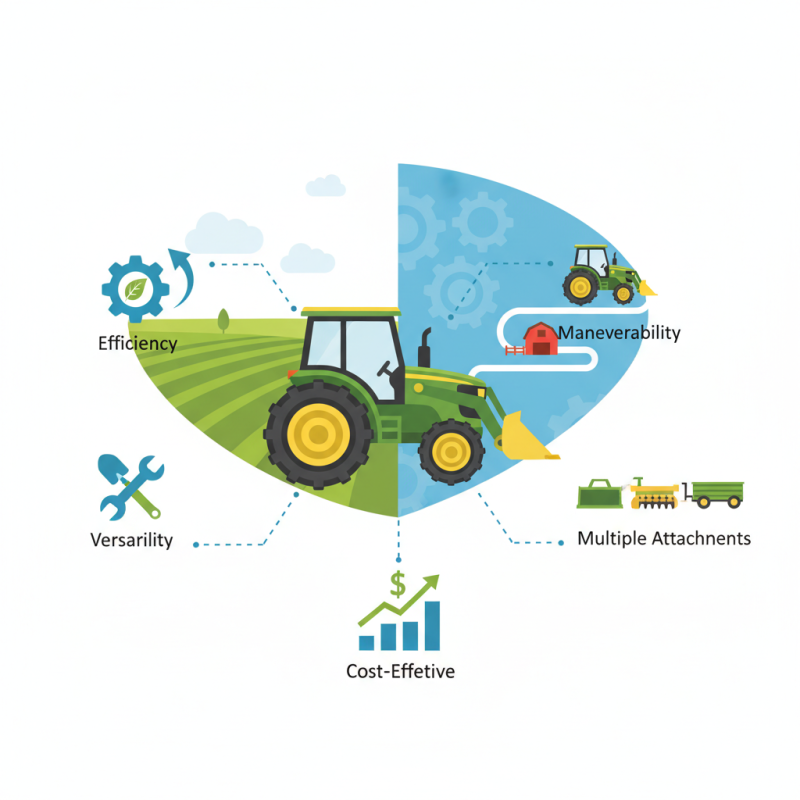
In the realm of modern agriculture, efficiency and versatility are paramount, leading many farmers to consider the benefits of compact utility tractors. These powerful yet nimble machines have emerged as the go-to solution for a wide range of farming tasks, from tilling and planting to hauling and landscaping. Compact utility tractors are designed to offer superior maneuverability, making them ideal for small farms and tight spaces where larger tractors might struggle.
With their ability to accommodate various attachments, compact utility tractors provide unparalleled flexibility, allowing farmers to tackle multiple jobs with a single piece of equipment. This adaptability not only enhances productivity but also minimizes the costs associated with maintaining a diverse fleet of machinery. As agricultural demands continue to evolve, the need for reliable, efficient, and versatile equipment becomes increasingly critical, and compact utility tractors stand at the forefront of this shift. By choosing these versatile machines, farmers can ensure they are well-equipped to meet their farming needs in today's fast-paced environment.
Benefits of Compact Utility Tractors for Diverse Farming Applications
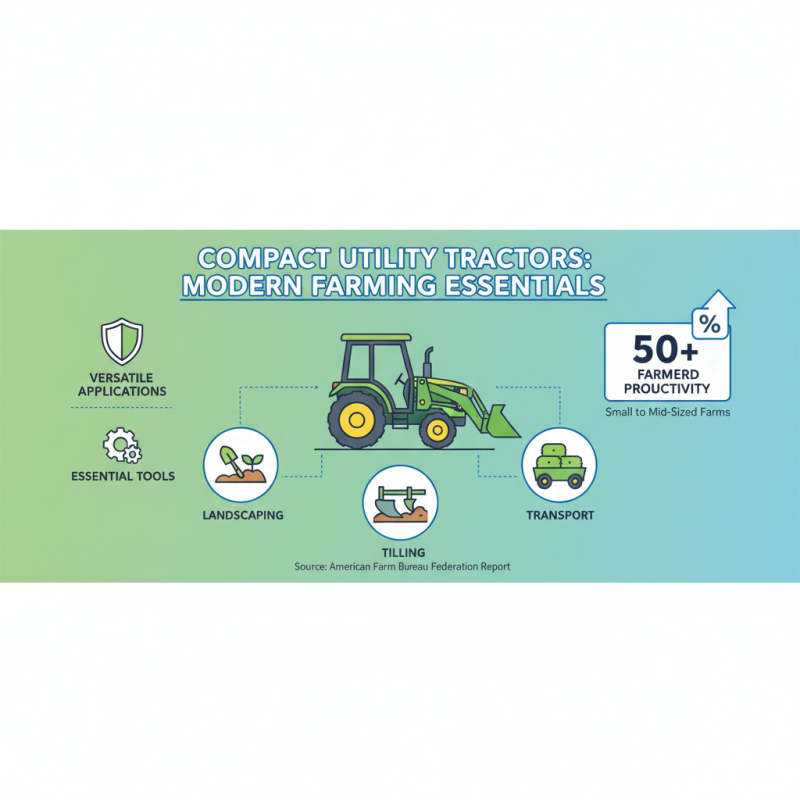
Compact utility tractors have become increasingly popular among farmers for a variety of diverse applications, positioning themselves as essential tools in modern agriculture. According to a report by the American Farm Bureau Federation, over 50% of farmers surveyed indicated that compact utility tractors significantly enhance their productivity, particularly on small to mid-sized farms. These versatile machines are ideal for tasks such as landscaping, tilling, and transport, making them invaluable for diversified farm operations.
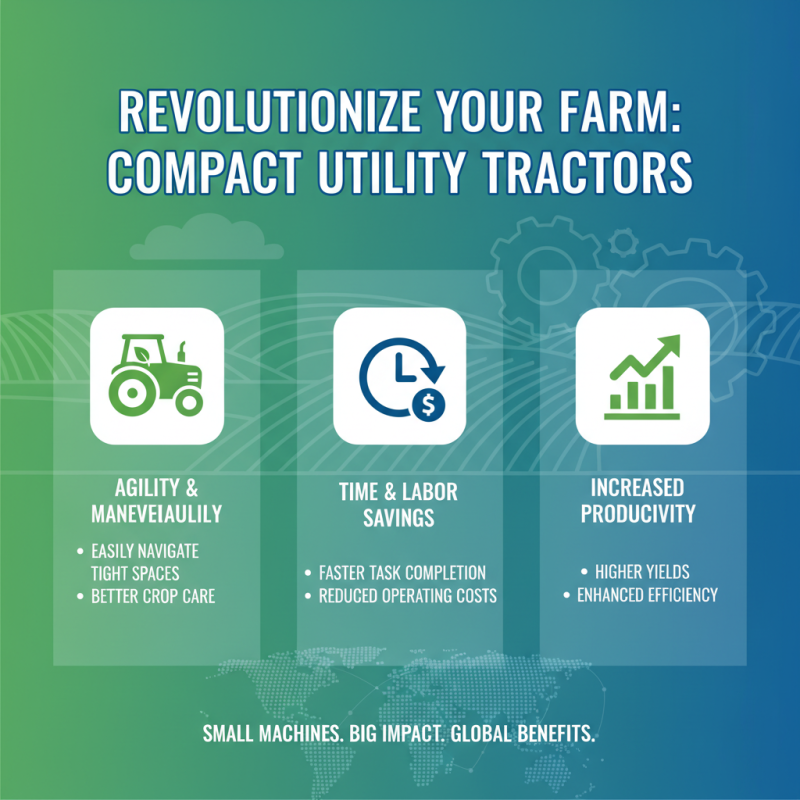
One of the standout benefits of compact utility tractors is their adaptability to various farming needs. They can easily switch between attachments for different tasks, ranging from mowing and snow removal to digging and transporting materials. A study by the Association of Equipment Manufacturers reveals that over 40% of users reported increased efficiency and reduced labor costs due to the multifunctionality of these tractors. Additionally, their smaller size allows for easier maneuverability in tight spaces, making them suitable for specialized operations like vineyard management or orchards where larger tractors may struggle. This flexibility ensures that farmers can maximize their output while minimizing the amount of equipment they need to maintain.
Key Features to Consider When Choosing a Compact Utility Tractor
When choosing a compact utility tractor for your farming requirements, several key features can significantly impact your decision. First, consider the horsepower and engine size. A tractor with adequate horsepower is essential for efficiently handling various tasks, from plowing to hauling. Look for models that offer a balance of power, torque, and fuel efficiency to ensure you can tackle the demands of your farm without excessive fuel costs.
Another crucial aspect is the transmission type. Compact utility tractors come with different transmission options, such as hydrostatic, gear, or continuous variable transmission. Hydrostatic transmissions offer smooth and easy operation, especially for novice users, while gear transmissions provide a robust option for experienced operators looking for greater control.
Tips: When evaluating tractors, take a test drive to see how each one handles. Check the ergonomics of the controls and make sure you’re comfortable operating them. Additionally, consider the availability of attachments that can enhance the versatility of your tractor, including mowers, loaders, and backhoes, as these can turn a single machine into an indispensable asset for your farm.
Cost-Effectiveness of Compact Utility Tractors in Modern Agriculture
Compact utility tractors have emerged as a cost-effective solution for modern agriculture, offering a balance between performance and affordability. Their smaller size and versatility allow farmers to efficiently manage a range of tasks, from tilling and planting to mowing and hauling. Compared to larger agricultural machinery, compact tractors require less initial investment and lower operational costs, making them an accessible option for both small-scale farmers and those managing larger operations.
The maintenance and fuel efficiency of compact utility tractors further contribute to their cost-effectiveness. With simpler mechanics and fewer complex systems compared to larger tractors, these machines often lead to reduced repair costs and less downtime. Additionally, their ability to operate on less fuel while still delivering powerful performance helps farmers save on fuel expenses over time. By integrating these tractors into their operations, farmers can maximize productivity without straining their budgets, thus aligning with the economic demands of contemporary agriculture.
Why Choose Compact Utility Tractors for Your Farming Needs? - Cost-Effectiveness of Compact Utility Tractors in Modern Agriculture
| Feature |
Compact Utility Tractor A |
Compact Utility Tractor B |
Compact Utility Tractor C |
| Horsepower |
25 HP |
30 HP |
35 HP |
| Fuel Efficiency |
25 MPG |
22 MPG |
20 MPG |
| Cost |
$15,000 |
$18,500 |
$22,000 |
| Maintenance Cost (Annual) |
$500 |
$700 |
$800 |
| Payload Capacity |
1,200 lbs |
1,500 lbs |
1,800 lbs |
| Warranty Period |
2 years |
3 years |
3 years |
Comparing Compact Utility Tractors with Traditional Farming Equipment
When comparing compact utility tractors with traditional farming equipment, it's essential to recognize the unique advantages that compact models provide. Compact utility tractors are designed for versatility, allowing farmers to perform various tasks with one machine. According to the American Society of Agricultural and Biological Engineers, compact tractors typically range from 25 to 60 horsepower, making them suitable for smaller farms and specialized tasks like landscaping, digging, and light hay production. In contrast, traditional farming equipment often requires more space and is geared toward larger scale operations, leading to higher operational costs and less maneuverability in tight spaces.
One of the significant benefits of compact utility tractors is their improved fuel efficiency. The Agricultural Energy Coalition notes that compact models can be up to 30% more fuel-efficient than their larger counterparts, significantly reducing the overall cost of ownership and operation over time. Additionally, compact tractors are often easier to maintain, with simpler engine designs and readily available parts. This accessibility can save farmers time and money in maintenance costs, further enhancing their appeal in modern agriculture.
Tips: When selecting a compact utility tractor, consider the specific tasks you'll need it for. Functions such as tilling, mowing, and loading require different attachments; ensure compatibility with your chosen model. Also, assess your farm's layout and the size of equipment your operations can optimally accommodate. Taking the time to evaluate these factors can lead to better equipment choices that enhance productivity while saving costs.
Real-Life Success Stories: Farmers Who Switched to Compact Tractors
Farmers across the globe are discovering the benefits of compact utility tractors, showcasing how these versatile machines can revolutionize their operations. One such success story comes from a small family-run farm that previously relied on larger, more cumbersome equipment. After switching to a compact tractor, the family noticed significant improvements in maneuverability around their fields. They were able to easily navigate tight spaces between rows of crops, leading to better crop care and increased yields. This agility also reduced the time and labor required for various tasks, ultimately enhancing their overall productivity.
Another inspiring example is a livestock farmer who transitioned to compact tractors for feeding and maintaining their animals. The compact size allowed them to access different areas of their property that were previously difficult to reach with larger machinery. This not only improved their feeding efficiency but also made it easier to transport supplies. With the new compact tractor, they reported a decrease in operational costs and an increase in their ability to manage their livestock. These real-life experiences highlight how compact utility tractors can meet diverse farming needs while fostering growth and sustainability in agricultural practices.