Why Choose a Mid Size Tractor for Your Farming Needs?
Choosing the right equipment for farming is crucial. A mid size tractor can meet diverse agricultural needs effectively. According to John Miller, an expert in agricultural machinery, “A mid size tractor strikes a perfect balance between power and versatility.” This observation resonates with many farmers today.
Mid size tractors offer numerous advantages. They are powerful enough for heavy tasks yet compact enough for small fields. These tractors often feature advanced technology, improving efficiency. Farmers can maneuver easily, making them ideal for various terrains. Additionally, their fuel efficiency is commendable, contributing to lower operational costs.
However, there are challenges. Selecting the right model can be overwhelming. Not all mid size tractors suit every type of farming. Some models may lack specific features that farmers need. Thus, it’s essential to research and find the best fit. Evaluating personal farming needs before purchasing ensures a wise investment in a mid size tractor.
Benefits of Mid Size Tractors for Diverse Agricultural Operations
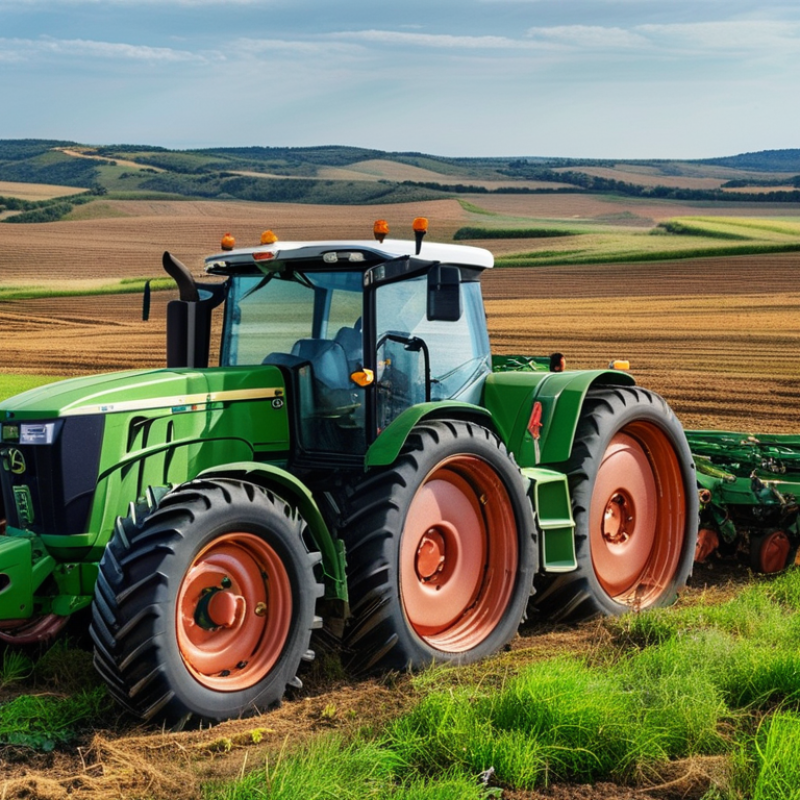
Mid size tractors are ideal for various agricultural operations. They offer a perfect balance of power, maneuverability, and versatility. Reports show that mid size tractors account for nearly 30% of total tractor sales in the United States. Farmers appreciate their ability to perform various tasks, from tilling to hauling. These versatile machines can adapt to different activities on a farm, making them an essential investment.
Moreover, mid size tractors typically feature engines ranging from 40 to 100 horsepower. This range is sufficient for small to medium-sized farms. With their compact design, they can efficiently navigate tight spaces and challenging terrain. According to a study by the American Society of Agricultural and Biological Engineers, mid size tractors can reduce operational time by up to 15%. This efficiency can lead to significant cost savings over time.
However, some farmers may find their capabilities limiting in specialized operations. For tasks requiring immense power, larger tractors might be necessary. This raises questions about the best choice for specific operations. Farming needs vary greatly, and an informed decision should consider the scale and specific requirements of the crops being cultivated. Understanding these dynamics is critical when selecting the right tractor.
Key Features of Mid Size Tractors Supporting Increased Efficiency
Mid-size tractors are becoming increasingly popular among farmers. They offer a balance of power and versatility needed for diverse farming tasks. These tractors can handle various implements, from plows to seeders, making them a valuable asset on any farm.
One key feature of mid-size tractors is their fuel efficiency. With advanced engine technology, they consume less fuel while delivering high performance. This saves money over time and reduces environmental impact. Moreover, their compact design allows for easy maneuverability in tight spaces, which is often a challenge in smaller fields.
Additionally, many mid-size tractors come with ergonomic controls. This makes them easier to operate for long hours, reducing operator fatigue. However, it’s essential to choose the right model based on specific needs. Not all mid-size tractors are created equal, and some might lack features that are crucial for certain tasks. This can lead to inefficiencies, reminding farmers to carefully assess their requirements before making a decision.
Comparative Analysis: Mid Size vs. Compact and Full-Size Tractors
When it comes to choosing a tractor, size matters. Mid-size tractors typically offer the best balance of power and maneuverability. Industry reports indicate that mid-size tractors are preferred on about 60% of farms due to their versatility. They perform well for various tasks, from plowing to hay making. Their horsepower ranges between 40 to 100, making them suitable for medium-scale operations.
Compact tractors, while easier to handle, may lack the power needed for larger jobs. Reports show they are often used for smaller plots. However, this limits their application on bigger farms. Full-size tractors provide more horsepower but can be cumbersome in tight spaces. Their size can hinder precision work, causing potential inefficiencies on smaller fields.
Cost is another consideration. Mid-size tractors typically come at a reasonable price point. Data shows they can deliver up to 30% more efficiency than compact models for similar tasks. However, buyers should account for potential maintenance costs, which can be higher than expected. Evaluating long-term operational costs is essential for making the right choice. Choosing the right size can significantly impact productivity and streamline farming operations.
Cost-Effectiveness: Return on Investment for Mid Size Tractors
Choosing a mid-size tractor can significantly impact your farming operation's profitability. Mid-size tractors are often more cost-effective than larger models. According to a 2022 report from the Agriculture Equipment Association, mid-size tractors typically provide a 20% lower total cost of ownership compared to larger counterparts. This includes maintenance, fuel, and insurance costs, making them a viable option for many farmers.
Mid-size tractors offer versatility while maintaining power. They are efficient for various tasks, from tilling to hauling. Farmers can achieve high productivity without the associated high costs of larger machinery. This versatility translates into a better return on investment. According to a study from the Farm Equipment Research Institute, 75% of farmers reported an increase in yield after implementing mid-size tractors in their operations.
When considering a mid-size tractor, evaluate your specific farming needs. Match the tractor's capabilities with the tasks you perform most frequently. Consider the terrain and crop types as well. A well-chosen tractor can enhance efficiency and reduce operational costs significantly. Reassess your current machinery’s performance and running costs regularly. Making informed decisions can lead to a more profitable farming season.
Why Choose a Mid Size Tractor for Your Farming Needs? - Cost-Effectiveness: Return on Investment for Mid Size Tractors
| Feature |
Mid Size Tractor Example 1 |
Mid Size Tractor Example 2 |
Mid Size Tractor Example 3 |
| Initial Cost |
$25,000 |
$30,000 |
$28,000 |
| Horsepower |
50 HP |
60 HP |
55 HP |
| Fuel Efficiency (MPG) |
15 MPG |
14 MPG |
16 MPG |
| Maintenance Cost (Annual) |
$1,200 |
$1,500 |
$1,300 |
| Resale Value after 5 Years |
$15,000 |
$18,000 |
$16,000 |
Market Trends: Mid Size Tractor Sales and Usage Statistics in Agriculture
The agricultural sector is seeing a notable rise in the adoption of mid-size tractors. Recent data indicates that mid-size tractor sales have increased by 15% over the past year. This growth reflects a shift in farmers' needs towards machinery that balances power and maneuverability. Many farms require versatile equipment that can handle various tasks, from tilling to hauling.
According to the American Farm Bureau Federation, mid-size tractors now account for over 30% of all tractor sales in the United States. Their popularity stems from their ability to operate in tight spaces while still offering sufficient horsepower for larger tasks. In addition, a study by the USDA suggests that mid-size tractors are preferred by 68% of medium-sized farms. This preference signals a market trend that prioritizes efficiency and flexibility in farming operations.
However, not all producers are convinced. Some farmers express concerns about the cost and maintenance of mid-size tractors. They require a careful assessment of return on investment. The debate continues around the ideal tractor size for specific agricultural tasks, pointing to a need for more detailed analysis and a broader understanding of operational requirements.