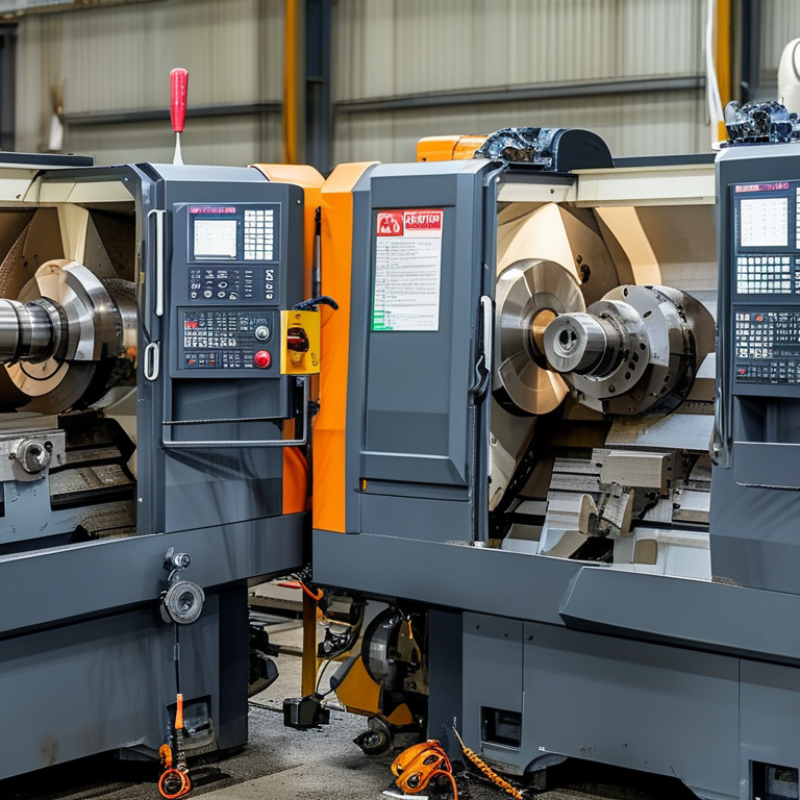
How to Choose the Best CNC Turning Center Machine for Your Needs?
Choosing the right Cnc Turning Center Machine can be a daunting task. With so many options available, it’s easy to feel overwhelmed. Each machine offers unique features that can impact your production. Understanding these features is crucial. A well-chosen machine can enhance efficiency and quality.
The Cnc Turning Center machine should align with your specific needs. Factors like material type, part complexity, and production volume play a significant role. Consider the technical specifications carefully. These details often determine whether a machine will meet your expectations.
Selecting a CNC turning center machine is not a one-size-fits-all process. Each business has its distinct requirements. Reflect on your experience and how each machine can serve you. Evaluate your budget and potential return on investment. This decision can shape your operational success, so take the time to analyze your options thoroughly.
Factors to Consider When Choosing CNC Turning Center Specifications
Choosing the right CNC turning center requires careful consideration of various specifications. You need to assess the machine's size and weight. The dimensions should match your shop's layout. If the machine is too large, it could hinder workflow. Think about your most common materials, too. Some machines work better with specific materials, impacting quality and efficiency.
Another key factor is the control system. A user-friendly interface can improve productivity. However, advanced systems may have a steep learning curve. It's vital to evaluate your team's expertise. A complex system might frustrate less experienced operators. Safety features also warrant attention. Look for machines with automatic shut-off and emergency stops. These can greatly enhance workplace safety.
Lastly, consider future needs. If your production volume is expected to grow, select a machine that can handle increased demand. Scalability ensures you won't outgrow your investment quickly. It's a balance of current capabilities and future potential. Reflect on these aspects thoroughly to make the best decision for your operation.
Comparing Different CNC Turning Center Brands and Models
When selecting a CNC turning center, understanding different brands and models is vital. Each manufacturer often has unique features that may influence your decision. For instance, some models excel in precision, while others focus on speed and efficiency. Identifying what is most important for your projects can guide you in choosing the right machine.
Tips for comparison: Examine specifications closely. Look for machine dimensions, weight, and control systems. These factors can impact performance and reliability. Visit CNC machine shows if possible, as hands-on experience adds valuable insight. Compare warranty offers as well; a strong warranty indicates a manufacturer’s confidence in their product.
Research reviews and user experiences online. Many users share their thoughts on specific brands and models. This feedback can highlight common issues or advantages. Choosing a CNC turning center is a significant investment. Reflect on how each option aligns with your long-term production goals and budget.
Evaluating Automation Features in CNC Turning Centers for Efficiency
When evaluating the automation features in CNC turning centers, consider how they enhance production efficiency. Automation can significantly reduce manual intervention, allowing for quicker processing times. Features like automatic tool changers and adaptive feed control streamline operations. These capabilities help maintain consistent quality across batches.
It's important to assess the complexity of the automation systems. While advanced automation offers many benefits, it can also lead to higher initial costs and maintenance challenges. Some users find themselves overwhelmed by intricate systems that are hard to navigate. Simpler solutions can be more effective for smaller operations.
Look for flexibility in the automation features. Machines that can easily adapt to different tasks or materials provide long-term value. Test automation functions to understand how they align with your specific needs. This hands-on approach ensures you make a well-informed choice, reducing future frustrations. Always keep in mind that the goal is a balance between efficiency and usability.
Understanding the Importance of Software Compatibility in CNC Machines
When choosing a CNC turning center, software compatibility is vital. Many manufacturers prioritize seamless integration with existing software systems. Reports indicate that around 70% of CNC machine failures stem from software issues. This statistic underscores the necessity for companies to evaluate software compatibility carefully.
Many CNC machines operate using specific software platforms. The data suggests that poor compatibility can lead to increased downtime. A staggering 35% of downtime is often attributed to software misalignment. Ensuring compatibility not only enhances productivity but also minimizes costly disruptions in the production process.
Moreover, understanding the software ecosystem is crucial. Newer software versions often include essential updates and features. However, outdated machines may struggle to keep pace. A 2023 industry study revealed that 60% of companies using outdated software faced significant challenges in adapting to new technologies. Choosing the right CNC turning center means considering these aspects diligently.
How to Choose the Best CNC Turning Center Machine for Your Needs
This chart illustrates the importance rating of various factors to consider when choosing a CNC turning center machine. Software compatibility ranks highest, emphasizing its crucial role in optimizing machine performance.
Analyzing Cost vs. Performance in CNC Turning Center Selections
When analyzing cost versus performance in CNC turning center selections, it's crucial to assess the specific needs of your production. The machine's capabilities must align with the desired output. A recent industry report highlighted that 65% of manufacturers prioritize performance over initial costs. However, this can lead to overspending if the features exceed actual requirements.
The optimal CNC turning center should strike a balance between cost-effectiveness and performance. Data collected from various manufacturers show that machines with a higher upfront cost often provide better longevity and lower operational costs. For instance, centers equipped with advanced tooling systems can reduce cycle times by up to 30%. Yet, investing in high-end features without proper analysis can cause financial strain. This is especially evident when looking at the payback period, which typically ranges from 12 to 24 months for most CNC turning centers.
Evaluating your production volume and material types is essential. While high-performance machines can elevate productivity, they are not always necessary for smaller operations. Analyzing workflow efficiency is key. Some companies reported that even a slight mismatch in features led to resource wastage. In the end, forming a tailored plan based on accurate assessments will guide you to a well-informed decision, ultimately enhancing productivity and profitability.