How to Choose Livestock Injection Suppliers in 2026?
Choosing a reliable Livestock Injection supplier in 2026 requires more than comparing prices. Farms need safe products, consistent quality, and dependable technical support. A delayed delivery can interrupt vaccination schedules, expose animals to preventable disease, and increase labor costs. The supplier’s role affects animal welfare, farm performance, and customer confidence.
This guide examines practical criteria for evaluating potential suppliers. These include manufacturing controls, product registration, batch traceability, storage conditions, and cold-chain performance. Buyers should request current quality certificates and verify whether the supplier follows recognized veterinary pharmaceutical standards. They should also examine delivery records, recall procedures, and complaint-response times. A strong supplier can explain how each shipment remains protected from the factory to the farm.
Experience still matters. A supplier familiar with cattle, swine, poultry, or sheep operations may understand real handling problems better than a general distributor. Ask how products are packaged, labeled, and supported during seasonal demand. Confirm that trained professionals provide usage guidance, while veterinarians make clinical decisions. Reliable communication is essential.
Paperwork is not everything.
A polished website cannot prove product consistency. Buyers should inspect evidence, ask difficult questions, and compare references from similar farms. Some suppliers may appear affordable but hide weak logistics or limited after-sales support. That possibility deserves attention. This article will help readers build a balanced supplier evaluation process, recognize warning signs, and select partners that support safe, lawful, and responsible livestock health management in 2026. No supplier is perfect, and every decision should be reviewed as new risks, standards, and farm needs emerge.
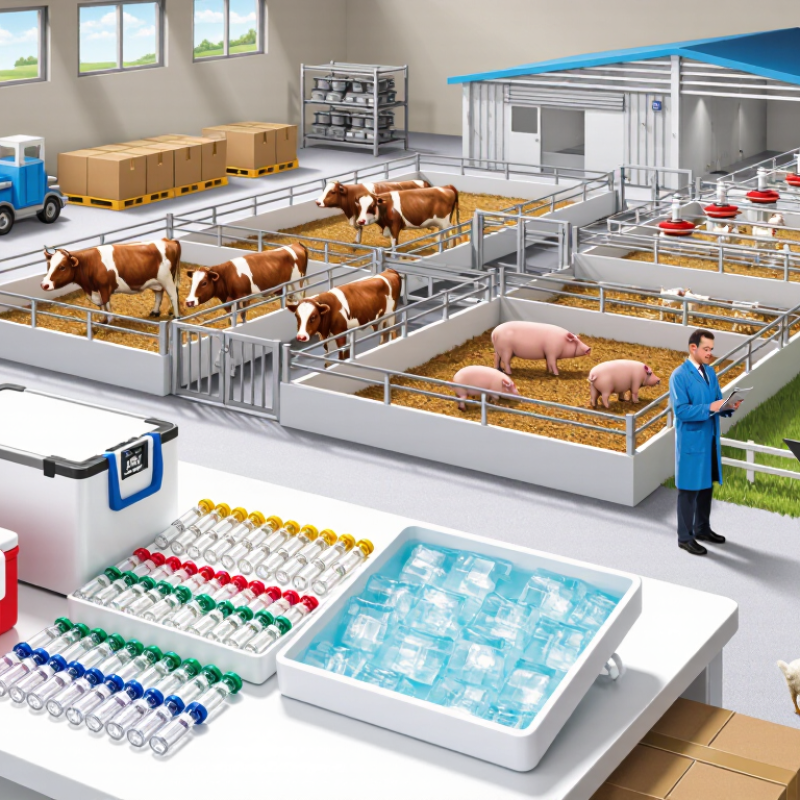
Understanding Livestock Injection Supplier Types and Product Categories
How to Choose Livestock Injection Suppliers in 2026?
Livestock injection suppliers usually fall into three groups: manufacturers, authorized distributors, and veterinary wholesalers. Manufacturers may provide stronger batch traceability and technical documentation. Distributors often offer broader product access and regional delivery. Wholesalers can simplify mixed orders for farms, clinics, and cooperatives. However, service quality varies between suppliers.
Product categories need equal attention. Vaccines support disease prevention, while antibiotics require veterinary oversight and responsible use. Antiparasitic injections target specific internal or external parasites. Vitamins, minerals, and supportive injectables may help correct confirmed deficiencies. Anti-inflammatory products can support pain and fever management under professional direction. The product label should show registration details, dosage, withdrawal periods, storage conditions, and batch information.
Cold-chain control is not a minor detail. Ask how products move from the warehouse to the farm. A temperature log, intact packaging, and clear expiry dates matter more than attractive pricing. Request certificates of analysis and a documented complaint process. Check whether the supplier can explain adverse-event reporting and replacement procedures. Speak with a veterinarian who understands your animals, climate, and disease risks.
Price is easy to compare.
Quality is not.
In practice, I would not judge a supplier from one successful delivery. A delayed shipment or unclear answer may reveal deeper weaknesses. I might also overvalue a familiar supplier. That is worth questioning. Reliable procurement requires records, follow-up, and periodic review, not trust alone.
Defining Animal Health, Safety, and Regulatory Requirements
Choosing livestock injection suppliers in 2026 starts with a clear definition of animal health needs. Species, age, weight, disease risk, route, and herd size shape every requirement. A product suitable for cattle may not fit pigs, sheep, or young animals. Ask for approved indications, dosage instructions, contraindications, and withdrawal periods. These details protect animal welfare and food safety. Keep the language plain. Confusion at the farm gate can become a dosing error.
Safety must be checked beyond a clean brochure. Request evidence of sterile manufacturing, quality testing, stability data, tamper-evident packaging, and batch traceability. Confirm storage temperatures, transport controls, expiry dates, and procedures for damaged shipments. A dependable supplier should provide certificates, product information, complaint handling, and adverse-event reporting channels. Verify that the products and facilities are registered with the relevant national authority. Requirements differ by country, and imported materials may need additional documentation. Do not treat a sales promise as proof.
Regulatory review should involve a veterinarian, quality manager, and procurement team. They can compare supplier records with local rules, farm protocols, and audit findings. Ask how recalls are communicated and how formulation changes are controlled. In practice, paperwork can look complete while staff training remains weak. That gap matters. I would also test one delivery before a large contract, checking labels, temperature logs, and seal condition. This is not foolproof. Supplier performance should be reviewed regularly, not only after a problem. Good selection protects animals, workers, consumers, and farm credibility.
Evaluating Supplier Quality, Certifications, and Manufacturing Standards
Choosing a livestock injection supplier in 2026 requires more than comparing prices. Quality begins with controlled facilities, trained staff, and documented sterile manufacturing processes. Ask whether the site follows recognized Good Manufacturing Practice principles and maintains a current quality management system. Certifications matter, but their scope matters more. Confirm the certificate covers the actual production facility and injection products.
Look beyond certificates. Request recent audit outcomes, batch records, validation summaries, and certificates of analysis. A reliable supplier should explain sterility testing, endotoxin controls, environmental monitoring, and equipment calibration in clear language. Traceability should reach raw materials, filling lines, packaging, and distribution records. Temperature-controlled transport also deserves attention, especially for products requiring defined storage conditions. During a facility review, observe material flow, hygiene controls, and how deviations are investigated.
A common mistake is trusting a polished certificate folder too quickly. That shortcut can hide weak production discipline. Compare written procedures with what workers actually do. Ask for evidence, not promises. Supplier references can help, but independent quality audits provide stronger insight. Review complaint handling, product recall procedures, and change-control records before signing an agreement. Some evaluations may feel incomplete, and that is worth admitting. Unanswered questions should remain open until verified. A dependable supplier welcomes reasonable scrutiny and provides consistent records across multiple production batches.
Comparing Pricing, Supply Capacity, Delivery, and Technical Support
How to Choose Livestock Injection Suppliers in 2026?
Livestock injections require more than a competitive unit price. FAO reports that livestock supports at least 1.3 billion livelihoods worldwide. It also represents about 40% of global agricultural output value. Therefore, supply interruptions can affect farms, workers, and food availability.
Compare landed cost, not invoice price. Include cold-chain packaging, customs handling, insurance, and emergency freight. Ask suppliers to provide batch-level certificates, stability data, and expiry policies. Capacity matters too. Request monthly production figures, reserved inventory, and a documented backup plan. The World Bank’s 2023 Logistics Performance Index evaluates customs, infrastructure, tracking, and delivery timeliness. Use these criteria when reviewing export routes. A supplier promising fast delivery may still lack reliable tracking.
Tips: Build a weighted scorecard before requesting quotations. Give pricing 25%, capacity 25%, delivery 25%, and technical support 25%. Adjust the weights for seasonal demand. Keep temperature records from dispatch to arrival. Test the process with a small, controlled order first.
Technical support often separates dependable suppliers from ordinary traders. Look for veterinarians or qualified specialists who can explain storage, dosage documentation, withdrawal periods, and adverse-event reporting. Ask how quickly they answer technical questions. A response within one business day is useful, but documented accuracy matters more. The WOAH standards emphasize responsible veterinary medicinal product use and competent oversight. Supplier audits should verify training records and complaint handling. No scorecard is perfect. Ours still misses communication quality, which can become costly during a recall.
Building a Practical Supplier Selection and Review Process
How to Choose Livestock Injection Suppliers in 2026?
Building a Practical Supplier Selection and Review Process
A reliable supplier review starts with documented evidence, not polished sales presentations. Define product needs, animal species, storage conditions, delivery regions, and approved use requirements. Ask for current licenses, quality certificates, batch records, and testing procedures. Check whether documents are complete, dated, and easy to verify.
Evaluate manufacturing controls through a structured scorecard. Include product consistency, packaging integrity, temperature monitoring, delivery performance, complaint handling, and technical support. A site audit can reveal practical details, such as clean loading areas, labeled quarantine zones, and functioning refrigerators. Speak with veterinarians and farm managers who have used similar products. Their experience may expose delays that paperwork misses.
Use a small, controlled purchasing review before expanding the relationship. Track arrival temperature, seal condition, batch information, response time, and issue resolution. Keep records for every shipment. Review the supplier monthly at first, then adjust the schedule according to risk.
Perfect scores are unrealistic. A supplier may perform well but communicate poorly during one urgent delivery. Internal reviewers may also value different risks. That is not a reason to ignore the problem. It is a reason to document disagreements and improve the scoring method. Reassess suppliers after complaints, regulatory changes, repeated delays, or unexplained quality concerns. Reliability is built through repeated checks.
