How to Choose Solar Branch Connectors at the 2026 Canton Fair?
As the demand for renewable energy grows, the solar industry continues to evolve. The Solar Branch Connector is a crucial component in photovoltaic systems. In 2026, the Canton Fair will showcase advancements in solar technology, attracting global suppliers and buyers.
Industry reports indicate that the solar market is expected to reach $223 billion by 2026, driven by increasing adoption and policy support. This growth highlights the importance of high-quality connectors for system efficiency. At the Fair, professionals will seek reliable suppliers with certifications like ISO and CE. The AI-driven features will help buyers find qualified vendors while navigating the extensive exhibition space.
However, making the right choice may not always be straightforward. Not all connectors are created equal. Attention to specifications, compatibility, and environmental factors is vital. Buyers must weigh options carefully. While the Fair offers opportunities, challenges remain. Understanding these complexities can lead to better investment decisions in solar technology.
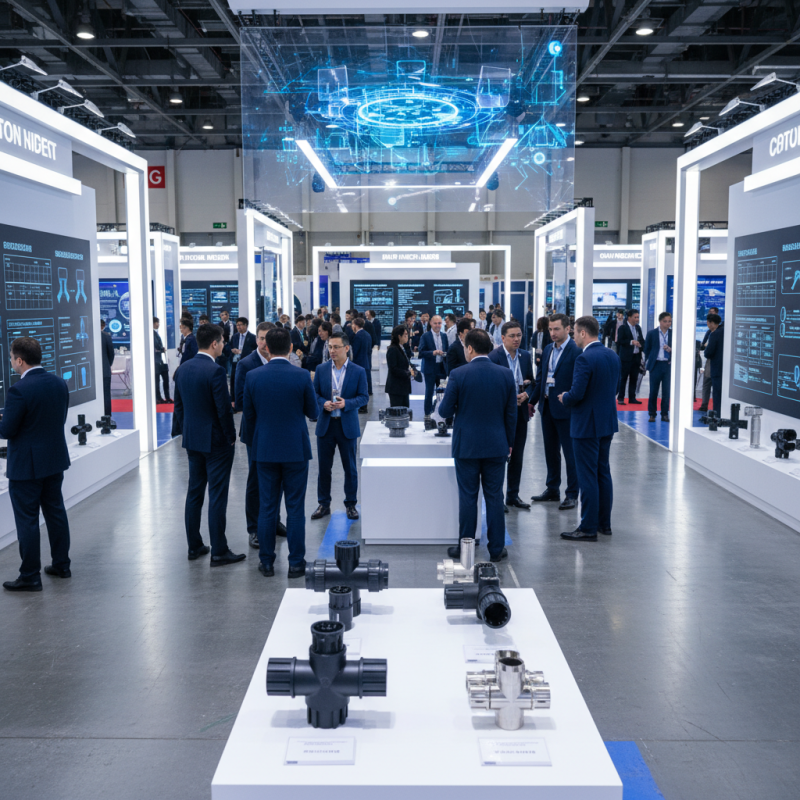
Understanding Solar Branch Connectors: The Basics You Need to Know
Choosing the right solar branch connectors is crucial for system efficiency. These connectors link solar panels to maximize energy output. Users must understand their specifications to ensure compatibility and reliability. According to data from the Solar Energy Industries Association, a robust connector can improve overall system performance by up to 10%.
Solar branch connectors come in various types. Each type serves different voltage and current ratings. For example, connectors rated for 30A can handle more significant loads. It’s essential to consider environmental factors too. High temperatures can affect connector performance. A study indicates that improper connectors can lead to a 25% decrease in energy yield.
When selecting these connectors, users often overlook the installation process. Good installation minimizes potential risks. Misalignment or poor connections can result in energy loss. Many users might feel overwhelmed by the choices. However, understanding basic specifications helps. Visualizing the installation alongside electrical diagrams can clarify what’s necessary. This reflection can guide your decision-making at the upcoming fair.
Key Factors to Consider When Choosing Connectors for Solar Systems
When choosing solar branch connectors at the 2026 Canton Fair, there are key factors to keep in mind. Reliability is crucial. A connector that fails can disrupt the entire solar system. Look for products with high resistance to corrosion and extreme weather. Durability matters in outdoor settings.
Consider the current and voltage ratings of the connectors. They should match or exceed system requirements. Mismatched ratings can lead to overheating. Ensure compatibility with your solar panels and inverters. Compatibility issues can cause significant losses.
Tips: Test the connectors before purchase. Check for certifications. Validate their performance data. Also, don’t overlook the ease of installation. Complicated connectors can waste time and increase labor costs. You'll want to find products that allow for quick assembly.
Lastly, think about the environment where the connectors will be used. Will they face harsh conditions? If so, investing more in robust connectors is wise. Reflect on whether the initial savings on cheaper options are truly worth the potential risks. Quality connectors can save you money and headaches in the long run.
Comparative Analysis of Different Types of Solar Branch Connectors
Choosing the right solar branch connectors is crucial for system efficiency. At the 2026 Canton Fair, various types will be showcased. Understanding their differences will guide your choices.
Solar branch connectors come in various shapes and sizes. Some are designed for high voltage, while others are more versatile. It's essential to compare their voltage ratings and materials. Look for connectors made from durable materials; these often have a longer lifespan.
Tips: Always check for compatibility. Different solar panels may require specific connectors. Additionally, consider the ease of installation. Some connectors are more user-friendly than others. If unsure, seek help. Missteps in connection can lead to wasted energy.
Not every connector type is perfect for every situation. You may encounter issues with weather resistance. Test various connectors in different settings to find the best fit. Remember, flexibility is key in solar installations. A minor oversight can disrupt your entire system.
Quality Standards and Certifications for Solar Connectors at Canton Fair
When attending the 2026 Canton Fair, understanding quality standards and certifications for solar branch connectors is crucial. Solar connectors are essential for the efficiency and safety of solar energy systems. According to a report by Solar Power World, about 70% of system failures stem from poor connections. This statistic highlights the importance of selecting quality products that meet industry standards.
Quality standards for solar connectors include IEC 62852 and UL 6703. These ensure reliability and durability in various environmental conditions. Under extreme weather, connectors must endure temperature changes, humidity, and UV exposure. Many products pass these tests, but not all meet the strictest criteria. Inconsistent certification can mislead buyers. Thus, due diligence is essential.
Additionally, international certifications denote compliance with safety and performance metrics. For example, TUV certification is widely recognized in the solar industry. However, not all suppliers claim this standard. This raises questions about their product reliability. Understanding the certification process is vital for making informed decisions at the fair.
Tips for Networking and Finding Reliable Suppliers at the Fair
Attending the 2026 Canton Fair can be overwhelming. The vast array of suppliers and products makes it challenging to find reliable partners. Focus on networking as your primary strategy. Engage with various exhibitors, and don't shy away from asking questions. Personal connections can lead to better deals and insights.
As you approach vendors, look for signs of professionalism. Check if their displays are well-organized. Look for clarity in their offerings. This reflects their commitment to quality. Don’t hesitate to request references from other clients. You need to feel confident about their reliability. It’s okay to have doubts, and sometimes it’s wiser to walk away if something feels off.
Building relationships takes time. Attend networking events during the fair. Engage in informal discussions with other attendees. This can lead to uncover valuable tips. Share experiences and learn from others. Remember, it’s not just about finding a supplier. It’s about forming a partnership that lasts. Enjoy the process, learn from it, and adapt your approach based on interactions.
