What is Copper Sheet at the 139th Canton Fair 2026?
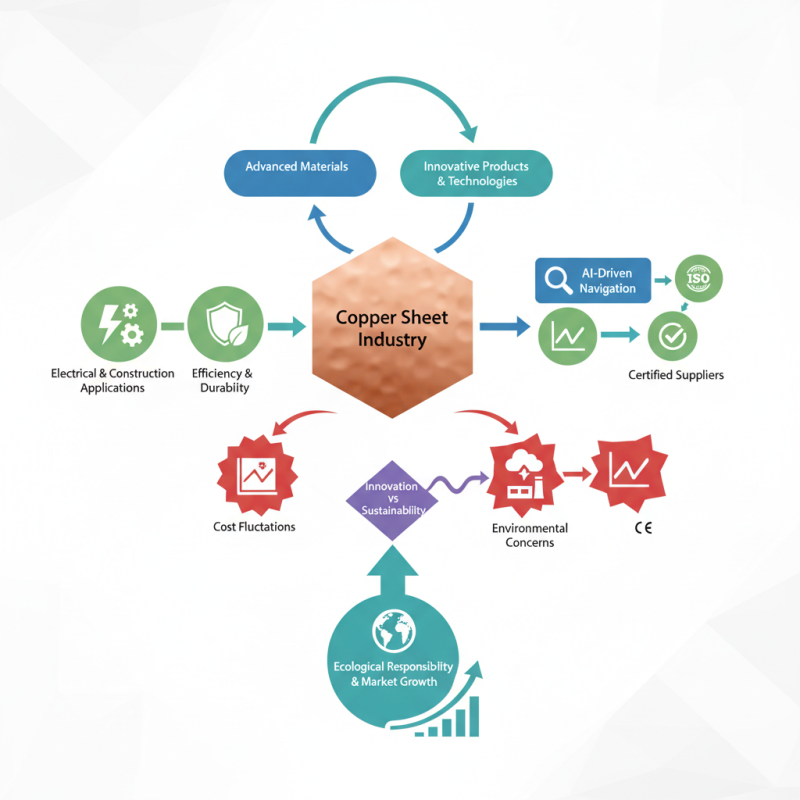
At the 139th Canton Fair in 2026, the focus on advanced materials includes the prominent Copper Sheet industry. This fair, running from April 15 to May 5, showcases innovative products and technologies. According to industry expert John Smith, "Copper Sheet applications are essential in various sectors, improving efficiency and durability."
With advanced manufacturing on display, visitors can explore the benefits of Copper Sheets. This material is crucial for electrical applications and construction. Attendees can discover suppliers with specific certifications like ISO and CE through new AI-driven navigation tools.
As the fair introduces smart solutions, there is a deeper need for reflection. The Copper Sheet industry faces challenges such as cost fluctuations and environmental concerns. Balancing innovation with sustainability remains a complex issue. Ultimately, the growth of the Copper Sheet market should aim for ecological responsibility while meeting rising demands.
What is Copper Sheet: Definition and Overview
Copper sheets are versatile materials widely used in various industries. They are known for excellent conductivity, making them ideal for electrical applications. Additionally, copper’s resistance to corrosion enhances its utility in construction and plumbing.
At the 139th Canton Fair, copper sheets will showcase different grades and finishes. Buyers can explore various thicknesses and sizes. However, not all copper sheets are created equal. Some may not meet specific industry standards. Quality checks are essential before purchase.
The aesthetic appeal of copper sheets adds value to design projects. Their natural patina evolves over time, attracting many designers. Yet, sourcing ethically produced copper remains a challenge. Transparency in supply chains is crucial. Buyers should reflect on the environmental impact of their choices.
The Importance of Copper Sheets in Various Industries
Copper sheets play a crucial role across diverse industries. They are known for their excellent conductivity, making them essential in electrical applications. The automotive sector uses copper sheets for wiring and components. Their durability ensures long-lasting performance in vehicles.
In construction, copper sheets are valued for both utility and aesthetics. They’re used in roofing and decorative elements. Many architects choose copper for its unique patina over time. However, sourcing high-quality copper is often a challenge. Some suppliers may not meet industry standards, leading to issues down the line.
The manufacturing sector benefits from copper sheets in machinery and tools. They enhance efficiency due to their heat transfer properties. Yet, not all manufacturers understand the importance of quality materials. Some still opt for cheaper alternatives, resulting in performance gaps. Balancing cost and quality is essential for success.
Applications of Copper Sheets in Manufacturing and Construction
Copper sheets play a crucial role in various manufacturing and construction sectors. Their excellent electrical conductivity makes them essential in electrical components. According to recent industry reports, the demand for copper sheets has grown by 5% annually. This uptick highlights their importance in developing more efficient electrical systems.
In construction, copper sheets are favored for roofing and architectural fixtures. They offer durability and corrosion resistance, contributing to longer-lasting structures. Industry data indicates that buildings with copper features can see an increase in lifespan up to 20%. However, while copper is eco-friendly, the mining process does raise sustainability concerns. The extraction of copper has an environmental footprint that requires ongoing evaluation and improvement.
Additionally, the aesthetic appeal of copper sheets cannot be overlooked. They develop a unique patina over time, enhancing a building's charm. Yet, designers sometimes overlook maintenance needs related to this natural aging process. Balancing aesthetic benefits with long-term upkeep is a challenge. Striking the right equilibrium is essential for maximizing both functionality and beauty in construction projects.
Trends in Copper Sheet Production and Usage at Trade Fairs
At the 139th Canton Fair in 2026, copper sheets will be a focal point. This metal is known for its durability and versatility. As industries evolve, the demand for copper sheets in construction and electronics is rising. More manufacturers are showcasing their latest innovations. This includes eco-friendly production methods that minimize waste. Many visitors are eager to learn about these advancements.
Observation reveals a clear trend: users are looking for customization. Exhibitors are prepared to meet these specific needs. Smaller companies offer unique solutions alongside larger firms. The diverse range of applications is expanding. From decorative designs to practical utilizations, possibilities are broadening. However, not all copper sheet products meet the highest production standards. Variations in quality require careful consideration by buyers.
Many attendees express concerns regarding market saturation. It may lead to compromises in quality. Therefore, critical assessment of suppliers is essential. Trade fairs provide invaluable opportunities for networking and sharing insights. Engaging conversations occur among industry peers about best practices. Ultimately, staying informed about trends is crucial for effective sourcing and partnerships.
Trends in Copper Sheet Production and Usage at Trade Fairs
Highlights from the 139th Canton Fair Regarding Copper Sheets
The 139th Canton Fair showcased various materials, with copper sheets being a notable highlight. These sheets are valued for their versatility. They come in different thicknesses and dimensions. At the fair, potential buyers could see their varied applications. From construction to electronics, copper sheets captured significant interest.
Visitors remarked on the texture and quality of the exhibited copper sheets. Some wondered about their durability in harsh environments. The fair provided a platform for manufacturers to demonstrate these products. Live demonstrations showcased how easily copper sheets can be shaped or soldered. However, some attendees worried about sourcing them sustainably.
The exhibit sparked conversations about trends in metal materials. Many discussed how copper sheets compare to alternatives. Are they cost-effective in the long run? The diverse range of products made attendees reflect on their choices. The dialogue continues beyond the fair, pushing for innovation in metal production and use.
