Top Desulfurization Equipment Trends at Canton Fair 2026?
At the 2026 Canton Fair, Desulfurization Equipment is set to be a focal point. This year's expo highlights advanced manufacturing, promising exciting innovations. Industry expert Dr. John Smith emphasizes, "Innovation in desulfurization equipment is key for environmental sustainability."
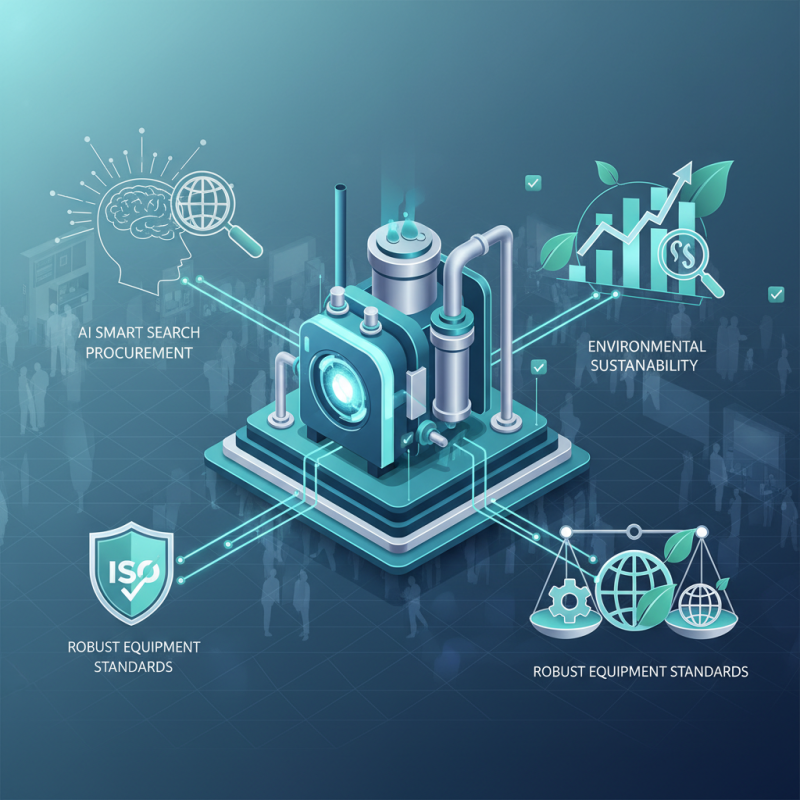
The integration of cutting-edge technology can enhance efficiency and reduce emissions. Features like AI smart search improve procurement routes, making it easier for buyers. However, not all equipment is created equal. Buyers should be cautious about quality and compliance with certifications like ISO and CE.
As stakeholders navigate this expansive exhibition space, the potential for seamless transitions is high. Yet, the complexity of choices can also overwhelm. The industry's direction depends on maintaining sustainability while ensuring robust equipment standards. This balance remains a critical area for reflection and development.
Emerging Technologies in Desulfurization Equipment at Canton Fair 2026
At the Canton Fair 2026, desulfurization equipment is set to showcase groundbreaking technologies. The focus will be on efficiency and sustainability. Recent reports indicate that the global desulfurization market is expected to reach $10 billion by 2027, with a compound annual growth rate (CAGR) of 5%.
Emerging trends highlight the integration of AI in monitoring processes. AI helps optimize performance by predicting equipment failures. This technology can reduce downtime significantly, enhancing productivity. Another noteworthy innovation is the use of advanced materials that increase durability and efficiency. These materials can withstand harsh operating conditions, yet their practicality is still under evaluation.
Investing in emerging technologies raises questions about their long-term impact. While they promise enhanced performance, costs may deter small to medium enterprises. The balance between innovation and affordability remains critical as industries evolve. Desulfurization equipment is heading towards smarter solutions, yet the challenge is to ensure inclusivity in access to these advancements.
Innovative Materials Enhancing Desulfurization Processes in 2026
The desulfurization industry is rapidly evolving. Innovative materials play a crucial role in enhancing processes. New developments were showcased at the Canton Fair 2026, highlighting advancements in efficiency.
One key material is the use of advanced catalysts. These improve reactions, making sulfur removal more effective. Another trend is the application of nanotechnology. By using nanoscale materials, systems can operate at lower temperatures. This helps save energy.
**Tips:** Look for equipment with adaptable designs. Versatility is essential for different applications. Also, consider lifecycle costs. Innovative materials may reduce maintenance needs over time.
Some products seem promising but require further testing. It is important to evaluate reliability. Changes in material composition could affect performance. Therefore, keep an eye on best practices in implementation.
Top Desulfurization Equipment Trends at Canton Fair 2026
| Equipment Type | Material Used | Efficiency (%) | Cost (USD) | Year of Introduction |
| Wet Scrubber | Calcium Carbonate | 95 | 150,000 | 2026 |
| Dry Scrubber | Activated Carbon | 92 | 120,000 | 2026 |
| Biological Desulfurization | Microbial Culture | 85 | 200,000 | 2026 |
| Catalytic Desulfurization | Zinc Oxide | 90 | 250,000 | 2026 |
| Membrane Separation | Polymer Membrane | 88 | 180,000 | 2026 |
Market Trends and Demand for Desulfurization Solutions at the Fair
The Canton Fair 2026 is set to showcase revolutionary trends in desulfurization equipment. With global environmental regulations tightening, the demand for effective desulfurization solutions continues to grow. Industry experts foresee advancements that not only improve efficiency but also lower operational costs. These trends reflect a market increasingly focused on sustainability.
Innovative technologies, such as hybrid systems and smarter monitoring tools, will likely be prominent. These solutions promise higher removal rates while minimizing waste. Manufacturers are expected to emphasize ease of integration into existing systems, a crucial factor for many operators. Attendees should explore how these advancements can tackle current challenges while aligning with eco-friendly initiatives.
**Tips:** Always evaluate the reliability of new technologies. Engage with experts at the fair to grasp real-world applications. Don't just focus on technology; consider the financial implications too. Assessing both effectiveness and cost is vital for sustainable growth. Moreover, reflect on how these solutions can be adapted for specific local needs.
Top Desulfurization Equipment Trends at Canton Fair 2026
Key Players and Their Contributions to Desulfurization Equipment Trends
The desulfurization equipment market is evolving rapidly, driven by the need for cleaner industrial practices. Recent industry reports suggest that the global desulfurization equipment market could reach $20 billion by 2026. This growth is propelled by increasing regulations and a global shift towards environmental sustainability. Key players in this field are innovating to meet these demands, focusing on efficiency and cost-effectiveness.
Many prominent manufacturers are increasingly adopting advanced technologies such as flue gas desulfurization (FGD) systems. These systems typically use chemical processes to remove sulfur dioxide from emissions. According to detailed market analysis, the adoption of FGD systems has surged, accounting for over 30% of total desulfurization equipment sales in recent years. However, there are concerns about whether the current technologies are sufficient to meet stringent future regulations.
Despite the positive outlook, challenges remain. Equipment maintenance costs can be high, and the technology is not universally applicable across all industries. Additionally, many companies are still grappling with integrating these systems into existing infrastructure. There is a noticeable gap in expertise and knowledge surrounding the latest desulfurization technologies. As demand rises, the industry must address these shortcomings to drive meaningful progress.
Impact of Regulatory Changes on Desulfurization Equipment Innovations
As regulatory frameworks evolve, so does the desulfurization equipment landscape. New laws push manufacturers to innovate. These changes often promote advanced technologies. For instance, low-emission standards force companies to enhance efficiency. However, not all respond swiftly. Some lag behind, risking missed opportunities.
The need for compliance drives smart designs. Automated systems become popular for real-time monitoring. Reduced emissions often require a blend of technologies, like both wet and dry scrubbing methods. But the implementation can be overwhelming for smaller producers. They struggle with high initial costs, leading to hesitation.
Testing and validation are crucial, yet they can be inconsistent. Some countries have stricter testing protocols than others. This disparity creates confusion, making innovation uneven. Manufacturers often find it challenging to keep pace. As trends emerge, reflections on existing practices become necessary. The gap between compliance and innovation remains a topic for discussion.
