How to Source Industrial Products Efficiently for Your Business?
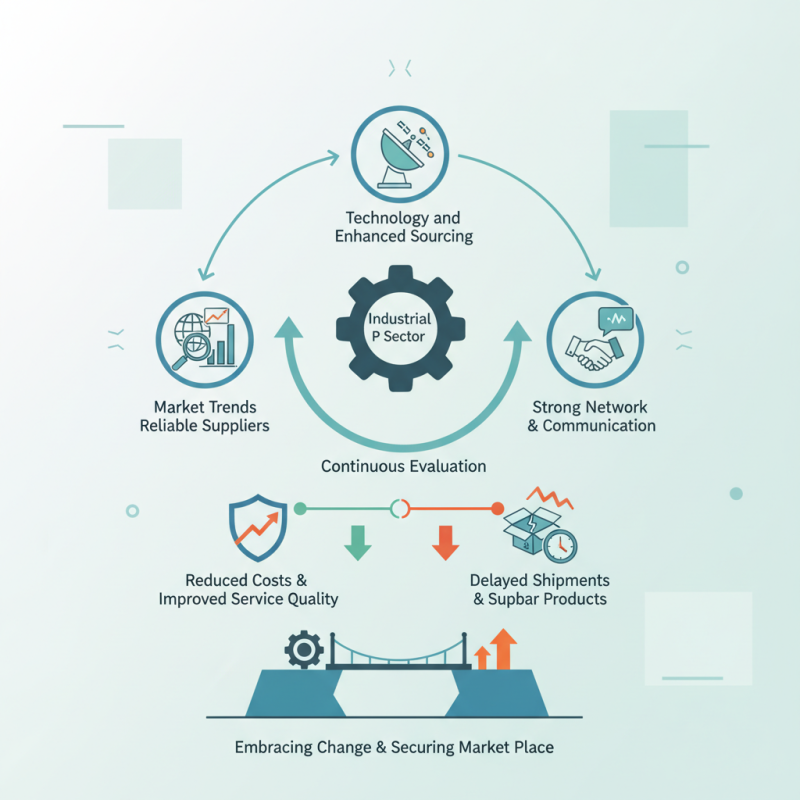
Sourcing industrial products efficiently is crucial for any business in the Industrial P sector. According to John Smith, a renowned expert in industrial supply chains, “A streamlined sourcing process can significantly reduce costs and improve service quality.” His insights shed light on effective strategies in this fast-paced industry.
Navigating the complexities of industrial product sourcing requires both knowledge and experience. Businesses must understand market trends, dependable suppliers, and technology's role in enhancing sourcing processes. While some companies excel in these areas, others struggle. They face challenges like delayed shipments or subpar products. Awareness of these potential pitfalls is vital.
Establishing a strong network and effective communication with suppliers can drive success. Continuous evaluation of sourcing strategies promotes better decision-making. Yet, many companies hesitate to adapt. Embracing change can seem daunting but is often necessary in today’s competitive market. By focusing on the right approach, businesses can secure their place in the Industrial P landscape.
Identify Your Specific Industrial Product Requirements
Identifying specific industrial product requirements is crucial for sourcing effectively. Start by assessing your operational needs. What processes require improvement? What tools are essential? This evaluation helps narrow down the product options. You might miss out on ideal solutions if you overlook the specifics.
Involve your team in discussions. Their insights can highlight unseen gaps in your current setup. Gather data on previous purchases. Analyzing past requirements can guide future selections. Create a checklist of critical features. This method helps keep your focus sharp.
Not every need can be easily articulated. Sometimes, you may overlook minor details that significantly impact performance. Consider flexibility and scalability in your choices. Industrial needs can evolve rapidly, and adaptable products can save time and money in the long run. Reflecting on past experiences can fine-tune your sourcing strategy.
Research Reliable Suppliers and Manufacturers
Sourcing industrial products demands thorough research to find reliable suppliers and manufacturers. According to a 2023 report by the Global Supply Chain Institute, 72% of businesses face delays due to unreliable suppliers. This highlights the importance of vetting supplier credentials, production capabilities, and compliance records before engagement. Experience shows that suppliers with transparent quality certifications reduce risks significantly. However, even with certifications, occasional quality lapses still occur, reminding us no system is perfect.
Tip: Always request sample products before placing large orders. Samples reveal real quality and production consistency.
Building relationships with manufacturers can improve communication and trust. Industry data from the International Trade Council states that 65% of companies increase profitability by maintaining long-term supplier partnerships. But trust takes time; early-stage negotiations often miss subtle issues like hidden costs or minimum order quantities. Careful document review helps prevent misunderstandings but cannot catch every risk in advance.
Tip: Use multiple verification sources, including client feedback and third-party audits, to confirm supplier reliability.
Research tools and databases now allow quick cross-checking of supplier histories and financial stability. Despite available data, human judgment remains crucial. Automation can't always replace hands-on experience when assessing nuanced factors like cultural fit or response time. This reinforces that sourcing is both an art and a science, requiring continuous adaptation to new information and market changes.
Evaluate Pricing and Quality of Products
Evaluating the pricing and quality of industrial products is essential for efficient sourcing. Begin by collecting data from multiple suppliers. Compare the base prices and look for hidden costs such as shipping and handling fees. Sometimes, lower prices may not reflect the necessary quality. For crucial components, investing a bit more can lead to better performance and longevity.
Quality assessment goes beyond price. Analyze product specifications and materials used. Request samples to evaluate durability and functionality. This hands-on approach helps identify discrepancies between promises and actual performance. Pay attention to the supplier's returns policy and warranty. A strong warranty often indicates confidence in product quality, but be wary of suppliers who cannot provide clear documentation.
Keep a record of your findings. This documentation can guide future sourcing decisions. If you notice a product consistently underperforming despite low costs, reassess your options. It’s important to maintain a balance between cost-efficiency and quality. Sometimes, the cheapest option can lead to higher expenses down the line due to replacements or repairs. Trust your instincts, and don't hesitate to ask tough questions.
Industrial Products Pricing and Quality Evaluation
Establish Effective Communication and Negotiation Strategies
Effective communication is crucial when sourcing industrial products. Build rapport with suppliers. This establishes trust and lays the groundwork for better negotiations. Use clear language and be specific about your needs. Ambiguities can lead to misunderstandings and costly mistakes. Ask open-ended questions to encourage dialogue. This helps uncover the supplier’s strengths and weaknesses.
Negotiation strategies should focus on win-win situations. Understand what the supplier values. This could be price, long-term relationships, or quick payment. Aim for a deal that benefits both parties. Be prepared for counteroffers. Don’t fear the negotiation process—it’s a chance to refine your approach. Reflect on past negotiations. Identify what worked and what didn’t. Adjust your strategy accordingly.
Flexibility is important in negotiations. Be ready to adapt your requirements as new information arises. Sometimes, what you initially think you need might not be the best option. Keep an open mind. Realize that each supplier is unique. Tailor your communication style for each relationship. This could improve not only the negotiation outcome but also the long-term partnership.
Implement a Streamlined Ordering and Inventory Process
A streamlined ordering and inventory process is vital for sourcing industrial products. It reduces waste and enhances efficiency. Start by implementing an integrated software solution. This can help monitor inventory levels in real-time. Automated alerts can notify you when stock is low. It's an effective way to avoid running out of crucial supplies.
Consider optimizing your supply chain. Engage with multiple suppliers to establish a reliable backup. This not only mitigates risks but also allows for better price negotiations. Regularly evaluate supplier performance. Assess delivery times and product quality. These metrics provide insights into potential issues.
Reflect on your current processes. Are they transparent? Time-consuming procedures can hinder growth. Implementing a Just-in-Time (JIT) inventory strategy may be advantageous. This approach minimizes storage costs and ensures that products arrive only when needed. However, be cautious; JIT may lead to vulnerabilities if supply chains are disrupted. Adjust your strategy based on your unique business demands.
