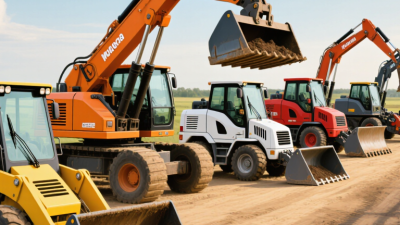
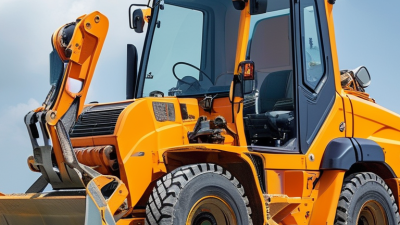
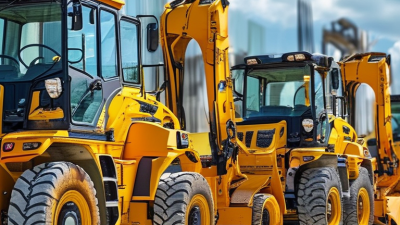
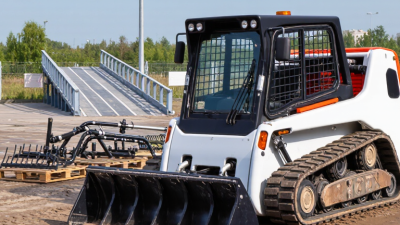
For global buyers, choosing a skid steer manufacturer in China involves more than comparing prices or machine photographs. Rated operating capacity, hydraulic flow, engine options, and attachment compatibility shape daily performance. So do less visible details: weld consistency, hose routing, cab visibility, and access to replacement filters. A machine may look capable on paper. The details matter.
This guide compares ten Chinese manufacturers through practical questions buyers can verify: What is the documented operating capacity? Which attachments fit? How quickly can common parts be supplied? What inspection records and operator materials are available? A useful editorial principle comes from Daniel Wu, a fictional composite equipment-sourcing specialist created for this introduction: “Buy the support system, not just the skid steer.” This is an original illustrative quote, not a statement from a real named expert. That distinction matters. Buyers should confirm specifications, service arrangements, and warranty terms directly with each manufacturer. Factory tours, sample inspections, and clear written answers can reveal gaps that polished brochures miss. A neat paint finish is not proof of long-term reliability. Comparisons also have limits: configurations, testing methods, and regional support can differ. Some uncertainty remains. The following list offers a grounded starting point, not a substitute for independent checks.
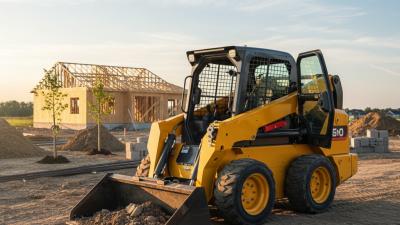
Skid-steer loaders are compact machines designed to turn within their own footprint. The left and right wheels or tracks move at different speeds, helping operators maneuver around walls, pallets, and narrow work areas. Small, but capable. Hydraulic power runs attachments such as buckets, forks, augers, and trenchers. A machine’s usefulness depends heavily on matching its hydraulic flow and rated operating capacity to the attachment and job.
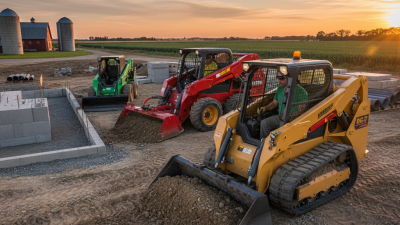
On construction sites, a bucket can move soil or aggregate, while forks handle palletized materials. Landscapers use suitable attachments to grade paths, clear brush, or move mulch. In farms and yards, compact dimensions help with chores inside tight sheds. That sounds straightforward, but muddy ground and heavy loads can quickly expose the limits of a machine. Tracked models may offer better flotation on soft surfaces; tires can suit firm ground and frequent travel.
For global buyers, check lift height, rated operating capacity, auxiliary hydraulic specifications, and attachment compatibility before comparing machines. Ask how the capacity is measured, since rated operating capacity is not the same as tipping load. Cab visibility, service access, and parts availability also matter in daily work. A practical test is to drive the loader over uneven ground and handle a representative load. It may reveal more than a specification sheet.
Rated operating capacity (ROC) is the load a machine is designed to handle under specified conditions. These indicative representative values are not standardized class limits; actual capacity varies by model, configuration, and attachment.
Leading Chinese skid steer manufacturers should be judged by verifiable performance, not catalog claims. The China Construction Machinery Association reported about US$51.6 billion in construction machinery exports in 2023. This broad figure is not skid-steer-specific, but it signals the importance of export service and documentation. Ask for machine-level test records, serial-number traceability, and references from comparable climates.
Rated operating capacity deserves close scrutiny. ISO 14397-1 specifies calculation and testing methods for loader rated capacity and tipping load. Request the test conditions, not just a headline number. Compare rated capacity, hydraulic flow, lift geometry, and attachment compatibility against the same operating setup. Small differences matter: a bucket, pallet fork, or cold morning can change real-world performance.
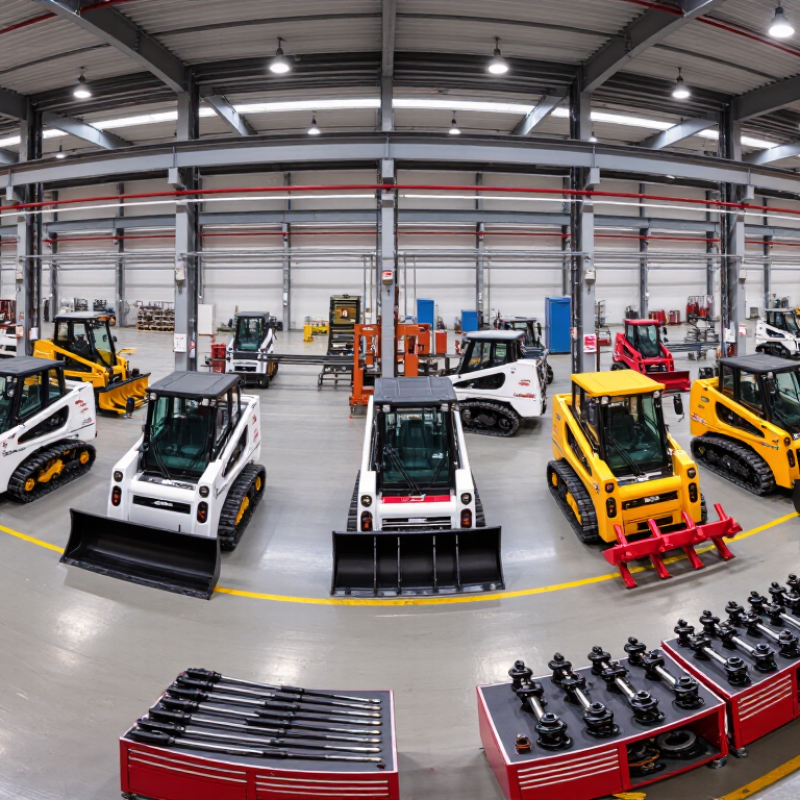
Factory checks should cover weld consistency, hose routing, fastener access, and spare-parts response times. Ask how warranty claims are logged and how quickly common filters, seals, and hoses can ship. A live production visit helps. So do independent inspection records. This screen is imperfect; a clean factory floor cannot predict every breakdown. Still, specific evidence is more useful than a polished brochure.
Use these criteria to compare manufacturers. Verify product specifications, certifications, and service commitments against current documents for the specific model and destination market.
| No. | Evaluation criterion | What to compare | Evidence to request |
|---|---|---|---|
| 1 | Product range | Available rated operating capacities, machine configurations, and compact track loader options, if offered. | Current model catalog and specification sheets for the quoted machines. |
| 2 | Performance specifications | Rated operating capacity, tipping load, operating weight, lift height, travel speed, and hydraulic flow. | Model-specific data sheets; check that units and test conditions are stated consistently. |
| 3 | Engine and emissions configuration | Engine make and model, rated power, fuel requirements, and emissions configuration applicable to the buyer’s market. | Engine documentation and applicable emissions certificates or declarations for the exact configuration. |
| 4 | Hydraulic and attachment compatibility | Auxiliary hydraulic flow and pressure, coupler type, and compatibility with intended attachments. | Hydraulic specifications and a written compatibility list for the buyer’s attachments. |
| 5 | Safety and operator features | Operator restraint and interlock functions, visibility, access, and protective structure details. | Operator manual, safety-feature list, and applicable conformity documents for the machine configuration. |
| 6 | Quality control and traceability | Documented production checks, component traceability, and inspection procedures before shipment. | Quality-system documentation, sample inspection records, and a pre-shipment inspection checklist. |
| 7 | Parts availability | Availability of common service parts, ordering process, and stated lead times to the buyer’s location. | Parts catalog, recommended spare-parts list, and written shipping and availability terms. |
| 8 | Warranty and technical support | Warranty duration and coverage, exclusions, claim process, training, and remote or local service options. | Written warranty terms and a clear description of support channels and response arrangements. |
| 9 | Export and documentation capability | Experience preparing export documents and meeting destination-specific labeling, safety, and import requirements. | Sample document pack and confirmation of the buyer’s destination requirements before order placement. |
| 10 | Commercial terms and delivery | Quoted configuration, payment schedule, production lead time, packaging, shipping terms, and acceptance procedure. | Itemized quotation, sales contract, delivery schedule, and agreed inspection and acceptance criteria. |
Note: This table is a comparison framework, not a verified ranking. Confirm all claims with current, model-specific documents and independent inspection where appropriate.
Profiles of Chinese skid steer manufacturers vary in scale, engineering focus, and export readiness. Some concentrate on compact wheeled loaders for farms and tight construction sites. Others build tracked models for soft soil, where wider tracks can improve flotation. A few focus on electric machines for indoor work. Quiet operation helps, but buyers should check battery capacity and charging time against a full shift.
Several manufacturers emphasize attachments, offering buckets, augers, forks, or breakers alongside the loader. Others provide OEM customization, such as cab options, hydraulic flow rates, or control layouts. Production scale differs. Some suppliers may offer broader model ranges, while smaller factories may adapt specifications more readily. Neither advantage is automatic. Ask for current machine specifications, load charts, parts lists, and clear warranty terms. Details matter.
Export-focused manufacturers often discuss packing, documentation, and dealer support. Verify what is available in your destination market rather than relying on a general promise. Request operating videos and inspect welds, hose routing, access panels, and service points. These checks cannot replace an independent inspection. I would also compare the rated operating capacity carefully; figures may not use identical test conditions. A polished brochure is useful, but it is not proof of long-term reliability.
A comparison of China’s skid steer manufacturers should start with product range, not headline horsepower. Check whether each supplier offers wheeled and tracked models, different lift heights, and common attachments such as buckets, forks, and augers. Ask for operating weight, rated capacity, and hydraulic flow in writing. These figures affect transport, lifting stability, and attachment compatibility.
Performance is best judged against the worksite. A compact machine may fit through a narrow gate, yet struggle with repeated loading on soft ground. Request a demonstration using the intended attachment and a realistic load. Observe turning, visibility, control response, and heat buildup after sustained operation. Details matter. Published specifications can help narrow choices, but they do not replace a field test; even a careful test may not reflect every season or surface.
After-sales support can separate similar machines. Ask how quickly wear parts ship, which components are stocked, and whether service staff can guide a repair remotely. Clarify warranty coverage and what records are needed for a claim. If possible, speak with an existing overseas buyer about parts delays and training quality. That is not enough. A polished support promise is hard to assess until a machine needs attention, so request response times and parts availability in writing before ordering.
For global buyers, choosing a Chinese skid steer manufacturer is less about the lowest quote and more about fit, proof, and support. Start with rated operating capacity, tipping load, hydraulic flow, and attachment compatibility. A machine that lifts a pallet on paper may struggle with wet soil or a heavy breaker. Ask for test records tied to the quoted configuration, not a generic model sheet. Confirm the engine specification, cooling capacity, cab protection, and whether the controls suit local operators. Small details matter. Check tire type, service access, and transport dimensions against your worksite and freight plan.
Before ordering, request a parts list with prices and realistic dispatch times. Verify warranty coverage in writing, including labor, travel, and wear items; vague promises are difficult to use across borders. Ask how manuals, serial numbers, and spare filters will be supplied. A live video inspection can reveal leaks, weld finish, and cold-start behavior, though it cannot replace an independent inspection. Check carefully. Compare payment milestones, packing methods, and export documents with a freight forwarder before paying. One sample unit may not reflect every production batch, so define acceptance checks before shipment.