Top 10 Benefits of Matcha Powder for Your Health?
Matcha Powder has gained popularity in recent years for its numerous health benefits. This finely ground green tea powder offers a unique blend of antioxidants, vitamins, and minerals. People are increasingly turning to matcha for an energy boost without the jitters associated with coffee.
Research shows that Matcha Powder can improve mental clarity. It can enhance focus and concentration, making it a favored choice among students and professionals alike. Additionally, it's known for its potential to aid weight loss and support metabolism. Many consumers appreciate its vibrant green color and rich taste, but some may find its strong flavor initially overwhelming.
Incorporating Matcha Powder into your diet might seem appealing, yet it's essential to choose high-quality varieties. Not all matcha is created equal, and some brands may not provide the same health advantages. Reflecting on its benefits, one must consider how it fits into a balanced lifestyle. Matcha can be a delightful addition, but moderation is key.
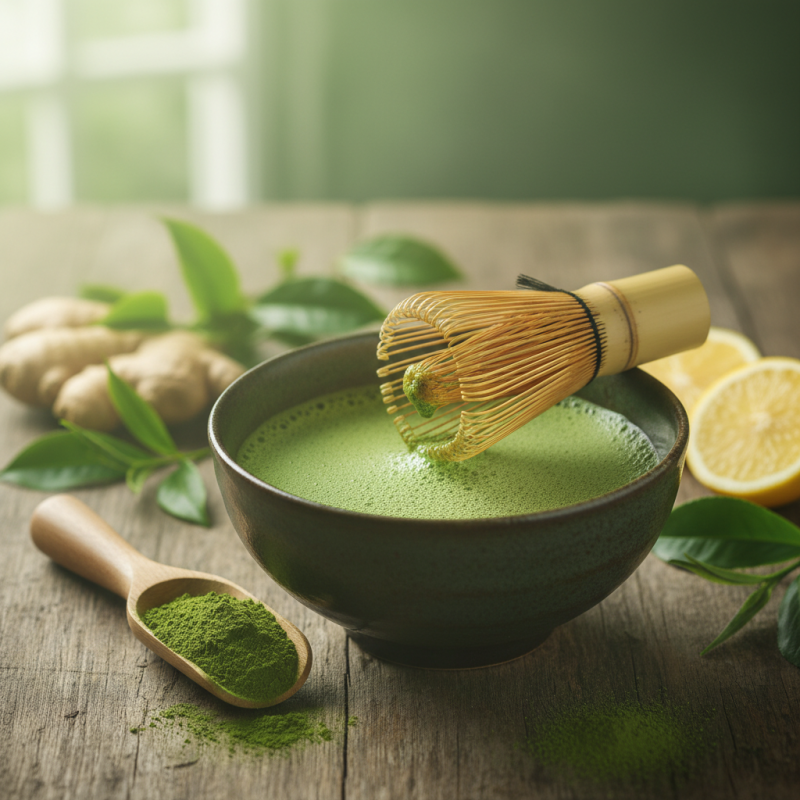
Benefits of Matcha Powder: A Comprehensive Overview
Matcha powder, a finely ground green tea, is gaining popularity. Its health benefits are supported by various studies. Research from the American Journal of Clinical Nutrition found that green tea drinkers tend to have lower risks of heart diseases. Matcha contains high levels of catechins, antioxidants known for their protective effects against oxidation and inflammation.
This unique powder also aids in weight management. A study published in the Journal of Nutritional Biochemistry indicated that catechins may help increase metabolic rates. Regular consumption can potentially enhance fat burning, especially during exercise. However, it's essential to remember not all matcha is created equal. Quality can significantly impact health benefits, and cheaper varieties may not provide the same effects.
Moreover, matcha is known for improving mental clarity. The presence of L-theanine promotes relaxation without drowsiness. Reports indicate that this compound can enhance cognitive function and improve focus. While matcha can be a valuable addition to a healthy diet, overconsumption may lead to jitters or upset stomach. It’s crucial to listen to your body and adjust accordingly, ensuring a balanced approach to its use.
Rich Antioxidant Properties and Their Health Implications
Matcha powder is gaining popularity due to its remarkable antioxidant properties. These compounds, particularly catechins, work to combat oxidative stress in the body. They can help reduce inflammation and improve overall health. Drinking matcha regularly may boost your immune system. Some studies suggest it may lower the risk of certain diseases too.
When you consume matcha, you ingest the whole tea leaf in powdered form. This leads to a more concentrated source of antioxidants. You might feel a sense of calm yet energized focus after consuming it. Many appreciate the unique flavor and vibrant green color. However, some may find the taste an acquired one. Experimenting with different recipes can help.
Not everyone experiences the same benefits from matcha. Individual sensitivity to caffeine varies. Some may feel jittery after consuming it. It's essential to listen to your body and adjust intake accordingly. Finding balance is crucial. Enjoy the journey of discovering what works best for your health.
Enhancing Mental Clarity and Focus Through Matcha
Matcha powder is more than a trendy beverage. It enhances mental clarity and focus significantly. Research shows that matcha contains L-theanine, an amino acid that promotes calmness. This can counteract caffeine jitters while maintaining alertness. A study indicated that consuming matcha improved cognitive performance in tasks requiring attention and memory.
In Japan, where matcha is popular, studies show that it can enhance brain function. Participants demonstrated increased focus and reduced stress levels after consuming matcha. It also offers antioxidants, which can protect the brain from oxidative stress. This property is essential for long-term brain health.
Tips: Consider replacing your coffee with matcha in the morning. A single serving may keep you focused for hours. Be mindful of your portion. Too much matcha might cause anxiety rather than alleviating it. Listen to your body and adjust accordingly. Always opt for high-quality matcha to maximize its benefits.
Support for Weight Management and Metabolism
Matcha powder is increasingly popular for its health benefits, especially in weight management and metabolism support. Studies suggest that matcha can increase metabolic rates by 4-8%. This boost can result in more calories burned throughout the day, even during rest.
The high concentration of catechins in matcha, particularly EGCG, plays a significant role. EGCG can help regulate fat oxidation and improve overall energy expenditure. One report indicated that consuming matcha may enhance fat burning by nearly 17%, especially during exercise.
**Tip:** To maximize the effects of matcha, consider incorporating it into your morning routine. Replace your regular coffee with a matcha latte for a smoother energy boost. Use it in smoothies or oatmeal as well.
While matcha offers benefits, it's important to approach it with moderation. Overconsumption can lead to caffeine-related issues. Finding the right balance is key. Enjoying matcha mindfully can lead to sustainable weight management and improved metabolism.
Potential Benefits for Heart Health and Cholesterol Levels
Matcha powder, a finely ground green tea, shows promise for heart health and cholesterol levels. Several studies indicate that regular consumption of matcha can lower LDL cholesterol. Research published in the "Journal of Nutritional Science" notes that individuals consuming matcha had a 10% reduction in LDL levels over 12 weeks. This is significant for heart health.
Antioxidants, particularly catechins found in matcha, are beneficial. These compounds help improve blood flow and reduce inflammation. A report from the American Heart Association highlights that green tea drinkers face a 20% lower risk of heart disease. However, it's essential to remember that matcha is not a miracle cure. Lifestyle and diet play crucial roles too.
Incorporating matcha into a balanced diet is key. Yet, over-reliance on this beverage without considering other health factors may not yield the desired effects. For those wanting to enhance heart health, matcha can be a valuable part of a broader strategy. Still, it’s wise to consult healthcare professionals for personalized advice.
