Top 5 Cnc Hydraulic Press Trends at Canton Fair 2026?
The 2026 Canton Fair is set to showcase the latest advancements in various industries, including Cnc Hydraulic Press technology. As manufacturers push for efficiency, the demand for advanced hydraulic presses continues to rise. This year, the fair introduces AI-driven features, revolutionizing how buyers navigate the expansive exhibition space.
Cnc Hydraulic Presses offer precision and power in manufacturing processes. Attendees can witness impressive innovations aimed at enhancing production capabilities. The integration of smart technologies not only simplifies sourcing but also allows suppliers to highlight their certifications, such as ISO and CE.
While the excitement around these trends is palpable, challenges remain. Companies must adapt to rapidly changing technologies and meet evolving customer needs. The push for sustainability also necessitates reflection on the environmental impact of hydraulic presses. As the industry evolves, stakeholders must balance innovation with responsibility.
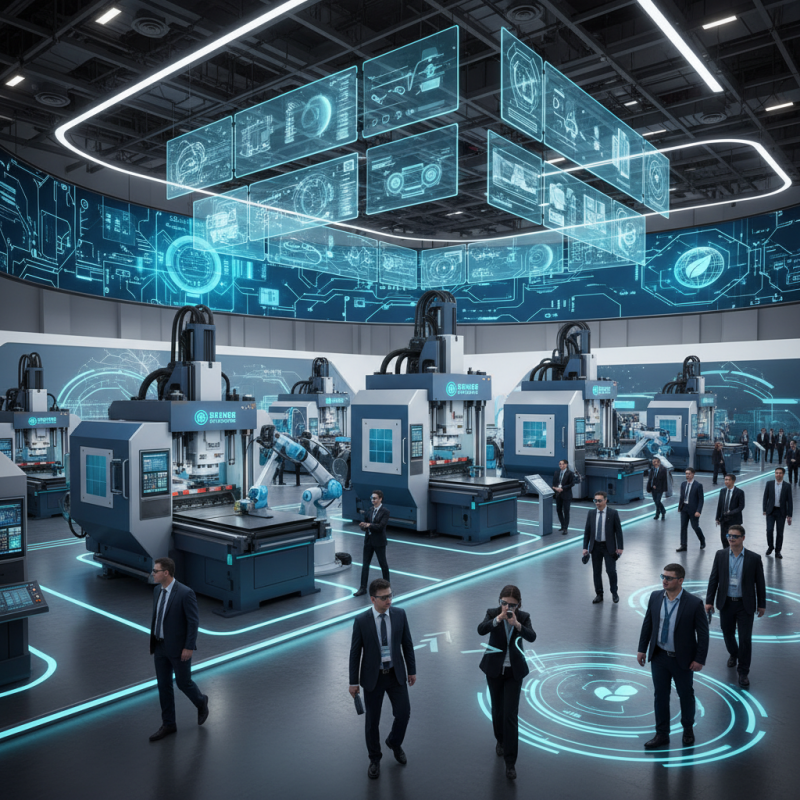
Emerging Technologies in CNC Hydraulic Press Designs at Canton Fair 2026
The Canton Fair 2026 is set to showcase the latest innovations in CNC hydraulic press technology. As industries seek efficiency, automation plays a critical role. Companies are integrating AI-driven software into their CNC machines for better performance. Reports indicate that automated CNC systems can increase production efficiency by up to 30%. This is a remarkable shift that many manufacturers are eager to adopt.
Sustainability is another key trend emerging from this year's fair. New designs focus on energy-efficient hydraulic systems. Data suggests that using eco-friendly hydraulic fluids can reduce energy consumption by 20%. While these advancements are exciting, they also raise questions about the cost implications for smaller manufacturers. Balancing sustainability with profitability remains a challenge that needs addressing.
Moreover, user-friendly interfaces in CNC designs are becoming essential. Enhanced visuals and touchscreen controls are on display, making machines easier to operate. However, this transition poses a learning curve for many technicians. The industry must not ignore the importance of training staff effectively. The rapid pace of technological change can lead to gaps in skills among workers. Such gaps can hinder productivity if not managed properly.
Top 5 CNC Hydraulic Press Trends at Canton Fair 2026
In 2026, the Canton Fair showcased emerging technologies in CNC hydraulic press designs. The following chart highlights the top five trends observed during the event based on various parameters.
Key Innovations Enhancing Efficiency in Hydraulic Press Systems
The Canton Fair 2026 is set to showcase innovative trends in CNC hydraulic press technology. With efficiency at the forefront, manufacturers are turning to automation and smart controls. A recent industry report highlighted that automating hydraulic presses can increase production speeds by 25% and reduce labor costs significantly. These advancements reflect a growing demand for higher efficiency and lower operational costs.
One noteworthy trend is the integration of IoT technology. This innovation allows for real-time data collection and process monitoring. According to industry experts, companies using IoT-enabled presses have seen a 15% reduction in downtime. However, not all manufacturers are ready to embrace this shift. Many still rely on traditional methods, which may hinder their competitiveness in the market.
Another key area of development includes the use of advanced materials. Lightweight alloys and composites are becoming popular for their strength and durability. Reports show that using these materials can cut energy consumption by up to 20%. Yet, some manufacturers face challenges in sourcing and handling these materials, leading to inconsistencies in production quality. This raises questions about the long-term viability of these innovations in the face of production pressures.
Top 5 CNC Hydraulic Press Trends at Canton Fair 2026
| Trend | Description | Key Benefits | Adoption Rate |
| Smart Automation | Integration of AI and machine learning for predictive maintenance and process optimization. | Increased efficiency, reduced downtime, lower operational costs. | 70% |
| Eco-friendly Materials | Use of sustainable and recyclable materials in hydraulic press fabrication. | Reduced environmental impact, compliance with regulations, improved brand image. | 60% |
| Enhanced Safety Features | Smart sensors and emergency stop systems to enhance operator safety. | Reduced accidents, improved working conditions, higher employee morale. | 75% |
| Energy Efficiency Improvements | Implementation of energy-saving technologies to reduce power consumption. | Lower energy costs, reduced carbon footprint, enhanced competitiveness. | 65% |
| Modular Design | Designs that allow for easy upgrades and modifications as technology advances. | Flexibility, cost-effectiveness, longevity of equipment. | 55% |
Sustainability Trends Impacting CNC Hydraulic Press Manufacturing
The CNC hydraulic press industry is evolving rapidly. Sustainability is now at its core. Manufacturers are exploring eco-friendly materials for hydraulic presses. This reduces waste and harmful emissions during production. Many companies are incorporating recyclable components. It’s a step towards greener manufacturing.
Energy efficiency is also gaining traction. Hydraulic presses often consume significant power. Companies are now developing systems that use less energy. Innovative designs can lead to lower operational costs. However, these advancements sometimes come with a high initial investment. For many small players, this can be a hurdle.
Rethinking traditional practices is essential. There is a growing emphasis on life-cycle assessments. Understanding the environmental impact of each component is crucial. It prompts a necessary dialogue about sustainability. Transitioning can be complex and costly. Yet, the long-term benefits may outweigh these challenges.
Market Demands Shaping CNC Hydraulic Press Features and Functions
The landscape of CNC hydraulic presses is rapidly evolving, driven by market demands. At the upcoming Canton Fair 2026, manufacturers are highlighting new features. Efficiency and precision are paramount. Customers now seek machines that reduce operational costs while ensuring product quality.
One significant trend is the push for automation. More companies are integrating advanced technologies into their hydraulic presses. This shift enhances user experience and minimizes human error. Users appreciate real-time monitoring systems. These systems give insights into performance metrics, but not all manufacturers are prepared for this transition.
Tips: Always check the compatibility of new features with existing equipment. Small modifications can sometimes lead to significant improvements.
Another area of focus is sustainability. As industries face regulatory pressures, hydraulic presses that consume less energy gain traction. Users desire machines that not only perform well but also reduce environmental impact. However, balancing cost and sustainability can be a challenge for many companies.
Tips: Evaluate the total cost of ownership when considering sustainable options. Sometimes the cheapest solution isn’t the best in the long run.
The Role of Automation in Modern CNC Hydraulic Press Solutions
Automation is transforming the landscape of CNC hydraulic press solutions. Modern machines now feature advanced technology that enhances precision and efficiency. This shift is evident at expos like the Canton Fair, where the latest innovations are showcased. Smart controls allow for quick adjustments, making operations smoother. However, with automation comes the challenge of maintenance and skill gaps. Operators must adapt to new interfaces, which can cause initial confusion.
The integration of automation can lead to greater productivity. For example, automated systems can perform tasks that traditionally required manual labor. This not only saves time but also minimizes human error. Yet, there is a risk of over-reliance on machines. Workers might struggle to troubleshoot issues without a strong foundational knowledge. The balance between automation and human oversight is crucial for successful implementation.
As manufacturers explore these trends, they face a dilemma. Embracing automation can drive innovation but may also alienate skilled workers. Companies need to invest in training programs that promote a harmonious relationship between technology and personnel. These evolving dynamics at events like the Canton Fair highlight the importance of adaptability in the industry.
