Top Compact Tractor With Loader for Global Buyers
Choosing the right compact tractor with loader begins with the work, not the brochure. Global buyers face different soils, climates, farm sizes, dealer networks, and attachment standards. A machine that performs well in a European orchard may struggle on rough tropical ground. That difference matters.
Agricultural engineering specialist Dr. John Fulton often stresses, “Match the machine to the task, not the other way around.” His principle guides this overview. We examine engine output, loader lift capacity, hydraulic flow, operating weight, turning radius, tire options, and operator comfort. We also consider practical ownership details, including spare-parts access, service training, warranty support, and shipping requirements.
Small jobs matter.
A useful compact tractor with loader should move soil, carry pallets, clear paths, and handle common implements without feeling unstable. Four-wheel drive can improve traction on wet slopes, while a low center of gravity supports safer loader work. Still, more horsepower is not always better. Excess weight may damage soft ground and increase transport costs.
This guide compares leading configurations for farms, estates, landscaping companies, municipalities, and construction users. It does not pretend that one tractor fits everyone. Local fuel quality, dealer response, and operator experience can change the final choice. Our evaluation may also overlook regional models with limited international data.
That is worth admitting.
Buyers should confirm specifications with authorized dealers before purchase. Real performance depends on ballast, attachments, terrain, maintenance, and training. The strongest decision combines published data with a careful inspection and a realistic task list.
Compact Tractor With Loader: Definition, Uses, and Main Advantages
Top Compact Tractor With Loader for Global Buyers
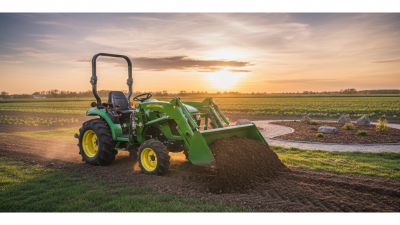
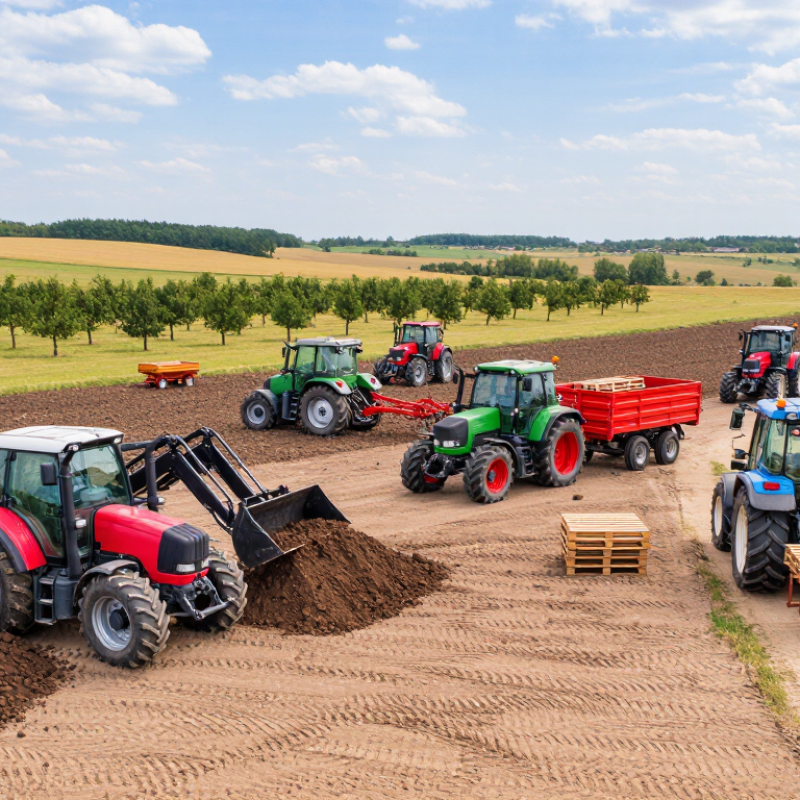
A compact tractor with loader combines a small tractor chassis with a front-mounted hydraulic bucket. It can lift, carry, grade, and move loose materials around farms, gardens, and work sites. Its smaller frame fits narrow gates and crowded sheds, while four-wheel drive improves traction on wet ground. In field use, operators often rely on it for soil preparation, compost handling, snow clearing, trench backfilling, and moving pallets. Small jobs add up.
The main advantage is practical versatility. A quick-attach loader can change from a bucket to forks, a grapple, or a light blade. Hydraulic controls should feel smooth, predictable, and easy to reach from the seat.
Buyers should compare lift capacity at different heights, not only the largest advertised figure. Check hydraulic flow, ground clearance, turning radius, tire type, and service access. These details affect daily productivity more than appearance.
Safety and fit matter just as much. A rollover protective structure, seat belt, parking brake, and clear operator visibility are essential features. Keep heavy loads low during travel, and never exceed the rated capacity shown in the operating manual. It is easy to underestimate side slopes. A compact tractor may feel stable on level ground but react differently near a ditch or with a raised bucket. Before purchase, measure the narrowest passage and consider local soil, climate, attachments, and repair support. The “top” model on paper may be a poor match for one property.
Key Specifications Global Buyers Should Compare
Global buyers should compare compact tractors by working performance, not engine size alone. The OECD-FAO Agricultural Outlook 2023–2032 projects global agricultural and fish production to grow about 1.1% annually. That pressure makes dependable, versatile equipment valuable. Check loader lift capacity at the pivot point, not only maximum height. A practical machine should lift a filled bucket without excessive front-end bounce. It should also offer clear visibility around the bucket.
Hydraulic flow deserves close attention. Higher flow supports faster loader cycles and hydraulic attachments, but it can increase heat and fuel consumption. Compare rated flow, relief pressure, and cooling design. PTO speed matters too, especially for mowers and tillers. A 540-rpm PTO remains common, while synchronized transmission options can improve field control. Small details matter.
Operating weight, width, and ground clearance affect transport and uneven ground. USDA NASS reported an average U.S. farm size of 463 acres in its 2022 Census, but this figure cannot represent every global buyer. Smaller plots may favor a narrow chassis and tight turning radius. Larger properties may prioritize stability and lift capacity. Do not overlook three-point hitch capacity, tire options, rollover protection, lighting, and service access. A cheaper tractor can become expensive when filters, seals, or loader pins are difficult to obtain. Parts availability is often harder to measure than horsepower. That deserves honest questioning.
Top Compact Tractor With Loader: Key Specifications for Global Buyers
The chart compares representative compact tractor power classes using two practical loader criteria: rated lift capacity and maximum lift height. These benchmark figures reflect common published specifications for compact tractors and exclude brand-specific data.
Buyers should verify the rated lift point, hydraulic pressure, ballast requirements, bucket size, and lift height at the hinge pin because specifications can vary by configuration and operating conditions.
Loader Capacity, Attachments, and Practical Performance
Top Compact Tractor With Loader for Global Buyers
A compact tractor loader should match the work, not just the brochure number. Check rated lift capacity at the pivot pin and at full height. These figures can differ sharply. For small farms, 500 to 900 kilograms may handle soil, gravel, feed bags, and light pallets. Stability depends on ballast, tire width, and the load’s distance from the front axle. Always test the machine with the bucket low. It feels safer.
Loader geometry matters in daily work. A strong breakout force helps remove packed soil, while a higher hinge-pin height improves truck loading. Hydraulic cycle time also affects productivity. Slow dumping becomes frustrating after several hours. A quick-attach system can support pallet forks, bale spears, grapple buckets, and snow blades. Yet every attachment adds weight. That reduces useful payload.
Real performance appears on uneven ground. I look for smooth joystick control, clear visibility around the bucket, and a frame that remains stable during turns. Four-wheel drive helps in wet yards, but it cannot replace correct ballast. Service access deserves equal attention. Grease points should be reachable, hydraulic lines protected, and filters available in the buyer’s region. This is where many comparisons become incomplete. A compact loader may lift impressively but work poorly with a heavy attachment. Check the manual, measure your storage space, and ask for verified load charts before purchase.
How to Choose the Right Compact Tractor for Local Conditions
Choosing the top compact tractor with loader starts with local conditions, not horsepower alone. Walk the actual site first. Measure gate widths, turning spaces, slope angles, soil firmness, and seasonal access routes. A 25–40 horsepower machine may suit smallholdings, but wet clay can demand wider tires, lower ground pressure, or added ballast. On steep ground, a certified rollover protective structure and seat belt are essential, not optional.
Loader capacity must match daily materials. Check rated lift at the pivot, lift height, hydraulic flow, and rear counterweight requirements. A loader carrying 500 kilograms on paper may handle less safely at full reach. FAO’s AQUASTAT data indicates agriculture accounts for approximately 70% of global freshwater withdrawals. In dry regions, therefore, select attachments that reduce repeated passes and soil disturbance. In high-rainfall areas, prioritize drainage-friendly tires and corrosion protection.
Fuel quality, repair skills, and parts availability also shape the right choice. The OECD-FAO Agricultural Outlook 2024–2033 identifies continuing pressure to raise productivity while managing resource limits. That pressure reaches small farms too. Ask local operators about cold starts, dust filtration, and hydraulic performance before buying. Their experience can reveal more than a brochure. I would also test the loader with the intended bucket and material, because advertised figures rarely describe uneven ground, crowded yards, or tired operators. A smaller tractor can be wiser. Sometimes, it is simply too slow.