Top 10 Impulse Sealing Machines for Efficient Packaging Solutions?
In the world of packaging, efficiency is key. An Impulse Sealing Machine stands out as a critical tool for achieving this efficiency. This machine utilizes a unique sealing process that creates secure packages within seconds. It operates by applying heat to the plastic material, ensuring a tight seal. Many industries, including food production and e-commerce, benefit from this technology.
Choosing the right Impulse Sealing Machine can be challenging. With numerous options available, each offers distinctive features and advantages. For instance, some machines cater specifically to thin films, while others handle thicker materials. Understanding these variations can help in selecting the ideal machine for specific packaging needs.
Despite their benefits, not all machines deliver consistent performance. Poor quality seals can lead to product spoilage or damage. Therefore, evaluating the reliability of each Impulse Sealing Machine is crucial. This guide will explore the top ten machines available, ensuring you make an informed choice for efficient packaging solutions.
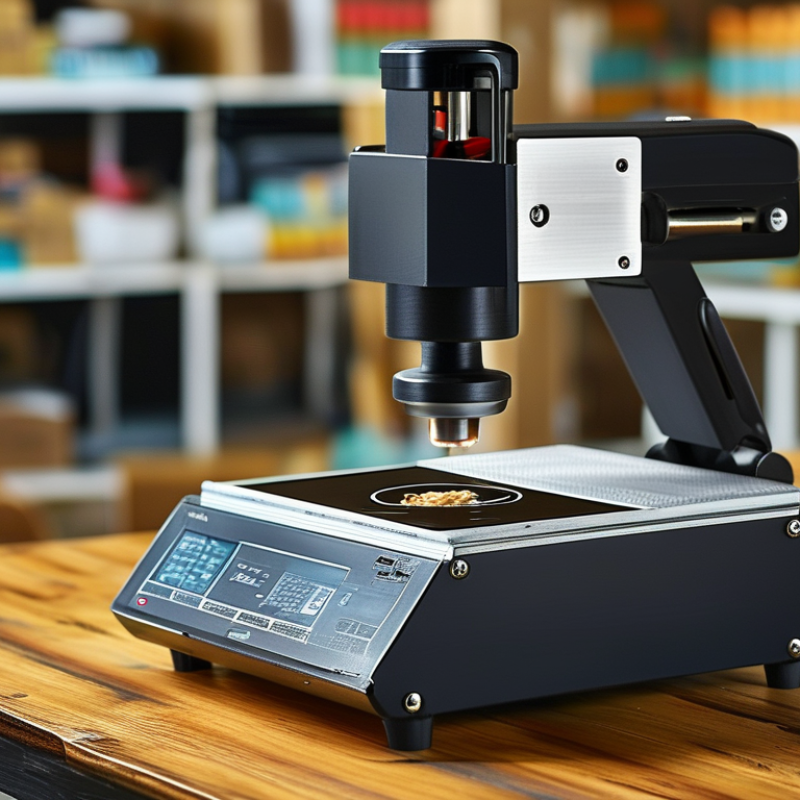
Types of Impulse Sealing Machines and Their Functions
Impulse sealing machines have become a staple in various packaging industries. They are crucial for sealing plastic bags, pouches, and diverse packaging materials. The right type of machine can enhance efficiency and reduce waste. Reports indicate that impulse sealers improve packaging speed by up to 30%, a significant increase in productivity.
Different types of impulse sealing machines serve specific functions. Handheld sealers offer portability and ease of use for small businesses. Conversely, continuous sealers automate the process for high-volume production. Additionally, vacuum impulse sealers are designed for preserving food by removing air from packaging. This feature can increase shelf life by 50% or more. Understanding these variations helps businesses choose the right equipment, optimizing their operations.
Despite their advantages, impulse sealing machines have limitations. They require regular maintenance to function effectively. Improper settings can lead to weak seals, which might compromise product integrity. Industry experts recommend routine inspections to ensure optimal performance. Moreover, training staff on proper usage is vital. This investment in education can prevent costly errors and enhance overall reliability in the packaging process.
Key Features to Consider When Choosing an Impulse Sealing Machine
When selecting an impulse sealing machine, several key features play a crucial role in ensuring effective packaging solutions. The sealing width is essential; wider sealing bars accommodate larger bags. Consider the machine's heating element too. A consistent heat source improves sealing quality. Keep in mind that the material of the sealing strip affects durability. For heavy-duty use, opt for robust materials.
Adjustability is another vital feature. Different products require various seal settings. Machines with adjustable heat settings can handle diverse materials more effectively. Furthermore, look for ease of use. A user-friendly interface saves time and reduces errors. Finally, think about safety features. An automatic shut-off mechanism provides peace of mind during operation. Regular maintenance is often needed, so easy disassembly is advantageous for cleaning and upkeep.
While these features guide your choice, personal experience matters. Testing out different machines can reveal strengths and weaknesses. Some operators find that performance varies under real conditions. Other users report that initial impressions may not reflect long-term reliability. Keep these insights in mind when evaluating your options.
Top 10 Brands in Impulse Sealing Machines Market
When looking at the impulse sealing machines market, several brands stand out for their efficiency and reliability. These machines are essential in various industries, ensuring products are sealed effectively to enhance shelf life. The demand for high-quality packaging solutions is ever-increasing, making the choice of the right equipment crucial.
Among these brands, some are known for their innovative designs and user-friendly features. They offer a variety of models suited for different packaging needs. Factors like sealing speed, temperature control, and ease of maintenance significantly impact performance. Some brands prioritize durability, while others focus on advanced technology. This can lead to confusion for buyers in selecting the best fit for their needs.
Moreover, not all brands cater equally to specific requirements. Some may excel in sealing thicker materials, while others perform better with thin films. It’s important to assess operational needs carefully before making a decision. Users might find themselves questioning the longevity and warranty of the machines. Customer service and support can also vary significantly between brands. Each choice brings unique benefits and challenges worth considering for optimal packaging solutions.
Top 10 Impulse Sealing Machines for Efficient Packaging Solutions
Comparative Analysis of Efficiency Among Leading Impulse Sealing Machines
Impulse sealing machines are crucial for efficient packaging. They offer quick sealing solutions that enhance productivity. According to the Freedonia Group, the demand for packaging machinery is forecasted to grow by 4.1% annually, reaching nearly $23 billion by 2027. This growth indicates a need for reliable and efficient sealing options.
When comparing machines, performance varies significantly. Some models can seal pouches in under two seconds, while others may take longer. Efficiency often hinges on specific attributes, such as seal width and sealing temperature. A study by the Packaging Machinery Manufacturers Institute mentioned a 30% increase in throughput when using high-efficiency impulse sealers compared to standard models. This highlights the importance of selecting the right machine for production needs.
Cost-effectiveness remains a concern for many operations. While high-end models boast advanced features, their initial investment can be steep. In a recent market analysis, 50% of businesses noted that energy consumption impacts operating costs significantly. Choosing an impulse sealer that balances efficiency with economic feasibility is vital for long-term sustainability. It raises questions about how much companies are willing to invest in technology that promises better performance but may not always deliver expected results.
Top 10 Impulse Sealing Machines for Efficient Packaging Solutions
| Model | Seal Width (mm) | Power (W) | Seal Time (s) | Efficiency Rating |
| Model A | 300 | 600 | 2 | 4.5 |
| Model B | 400 | 800 | 1.5 | 4.8 |
| Model C | 250 | 500 | 3 | 4.2 |
| Model D | 350 | 700 | 2.5 | 4.6 |
| Model E | 280 | 550 | 2 | 4.4 |
| Model F | 320 | 620 | 1.8 | 4.7 |
| Model G | 270 | 500 | 3.2 | 4.1 |
| Model H | 300 | 750 | 2.3 | 4.9 |
| Model I | 350 | 700 | 1.5 | 4.6 |
| Model J | 280 | 600 | 2.0 | 4.3 |
Maintenance Tips for Maximizing Impulse Sealing Machine Performance
Impulse sealing machines are essential for efficient packaging in many industries. Their performance largely depends on proper maintenance. Research shows that regular maintenance can enhance machine lifespan by 30%. Without it, machines may underperform, leading to increased waste and higher operational costs.
One crucial tip is to regularly clean the sealing elements. Dust and debris can accumulate and affect seal quality. A clean machine operates better and lasts longer. It's recommended to perform this cleaning at least once a week.
Another important aspect is checking the temperature settings. Even slight variations can result in weak seals. Use a calibrated thermometer to ensure accurate readings. Inconsistent sealing can compromise product safety. Monitoring these parameters will help maintain optimal performance.
Lastly, inspecting the electrical connections is vital. Loose or corroded connections often lead to unexpected failures. Regular checks can prevent costly breakdowns. A proactive approach to maintenance can save time and resources, ensuring a smooth packaging operation.
