Top 10 Insulated Lunch Boxes at China Import and Export Fair?
As we approach the 139th China Import and Export Fair in 2026, the spotlight shines on various innovative products, among which the "Insulated Lunch Box" is gaining significant attention. Experts in the field, like Dr. Emily Tran, who specializes in food safety solutions, emphasize the importance of these containers. She states, "An effective insulated lunch box not only keeps food fresh but also promotes healthier eating habits."
In a time where convenience meets sustainability, the insulated lunch box stands out. With impressive features designed to maintain temperature, these boxes are crucial for busy professionals and families. For instance, many models incorporate BPA-free materials, ensuring safety for daily use. However, challenges still exist. Some lunch boxes do not effectively seal, leading to potential spills that can undermine their purpose.
The upcoming fair aims to better connect suppliers and buyers of insulated lunch boxes. With AI-driven tools enhancing navigation and selection, attendees can discover high-quality options tailored to modern needs. Yet, it's essential for buyers to critically assess which products truly deliver on their promises.
Overview of Insulated Lunch Boxes in the Market
Insulated lunch boxes have gained popularity in recent years. They are designed to keep food at the desired temperature. The global market for insulated lunch boxes was valued at approximately $1.5 billion in 2022 and is projected to grow steadily. Many consumers seek eco-friendly materials, which adds another layer of complexity to the market.
According to a report by Research and Markets, the demand for insulated lunch boxes is driven by the increasing focus on health and wellness. More individuals prefer home-cooked meals over takeout. Innovative designs appeal to both children and adults. However, not all products meet safety and quality standards. This inconsistency begs for more stringent regulations and quality checks.
The market also faces challenges related to consumer perception. Some people believe that insulated lunch boxes are bulky or difficult to clean. These misconceptions can deter potential buyers. Despite the growth potential, brands must address these issues for better market penetration. A more informed consumer base may lead to increased sales and positive brand recognition.
Top 10 Insulated Lunch Boxes - Market Overview
Criteria for Selecting the Best Insulated Lunch Boxes
Choosing the right insulated lunch box requires careful consideration. There are several criteria that can help guide your decision. First, the size and capacity of the lunch box matter. Consider the portions you typically pack. A box that is too large may waste space, while one that is too small could leave you hungry.
Durability is another key factor. Insulated lunch boxes are often made from various materials. Look for options that can withstand everyday wear and tear. It’s crucial to select a lunch box that feels sturdy in your hands. Also, check the insulation quality. Some models keep food hot for longer than others. This can be essential for ensuring your meals remain fresh throughout the day.
Design elements also impact your choice. The aesthetic should appeal to you, but practicality is vital too. Compartments can help separate different foods. However, too many sections may limit your options. This can be frustrating when you want to enjoy a combination of flavors. Lastly, consider ease of cleaning. Some materials stain easily, while others are more resistant. This may affect your daily routine, especially after a busy week.
Top 10 Insulated Lunch Boxes at China Import and Export Fair
| Model | Material | Capacity (L) | Insulation Type | Features | Price (USD) |
| Model A | Stainless Steel | 1.5 | Vacuum Insulated | Leak-proof, BPA-free | 25.99 |
| Model B | Plastic | 1.2 | Foam Insulated | Easy to carry, microwave-safe | 15.99 |
| Model C | Aluminum | 2.0 | Double-walled Insulated | Durable, light-weight | 30.00 |
| Model D | Silicone | 0.8 | Thermal Insulated | Foldable, travel-friendly | 10.50 |
| Model E | Polypropylene | 1.0 | Hard Shell Insulated | Dishwasher safe, cooling pack included | 20.99 |
| Model F | Fabric | 1.8 | Insulated Liner | Stylish design, adjustable strap | 18.75 |
| Model G | Glass | 1.0 | Thermal Barrier | Eco-friendly, lid lock | 28.00 |
| Model H | Bamboo | 1.6 | Natural Insulation | Sustainable, stylish | 35.50 |
| Model I | Carbon Fiber | 2.5 | Ultra Insulated | High durability, trendy | 45.00 |
| Model J | Polyester | 1.3 | Soft Insulation | Lightweight, compact | 12.50 |
Top 10 Insulated Lunch Boxes Featured at China Import and Export Fair
The China Import and Export Fair is known for showcasing innovative products, including insulated lunch boxes. These items are essential for both convenience and sustainability. According to a recent market research report, the global insulated lunch box market is projected to grow by 3.2% annually until 2027. This growth is largely fueled by the increasing demand for eco-friendly and reusable food storage solutions.
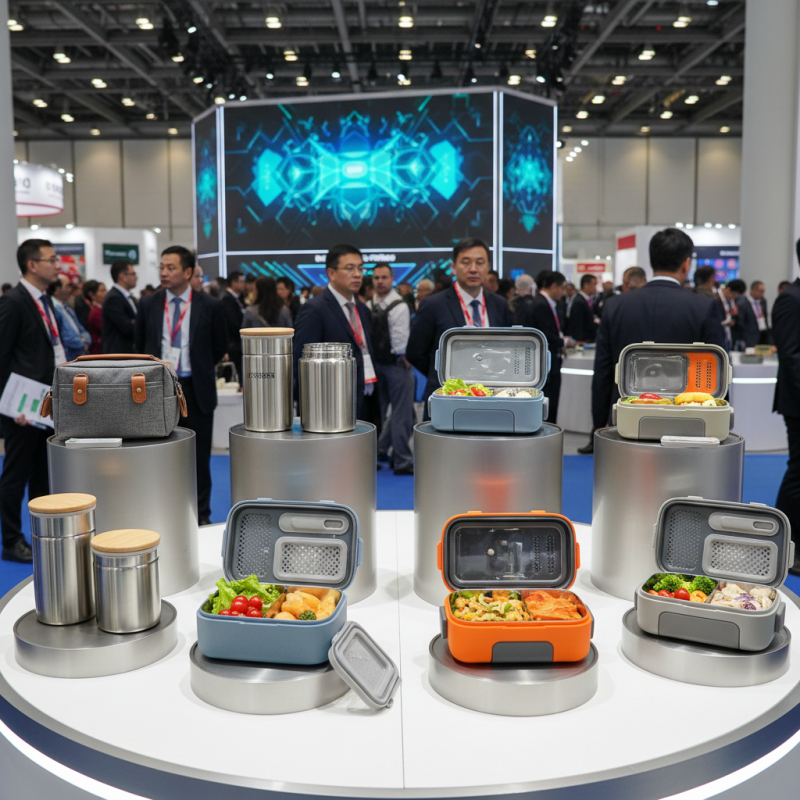
During the fair, several features stood out in the insulated lunch boxes displayed. Many designs incorporate advanced insulation technology that keeps food hot or cold for hours. Some models are crafted from stainless steel, while others feature BPA-free plastics. Interestingly, a significant trend is toward colorful designs and personalization options, appealing to various demographics. However, many consumers remain unaware of the materials used, raising concerns about their long-term environmental impact.
Not all insulated lunch boxes perform equally well. Some claim thermal insulation but fail to deliver in real-life usage. Consumers often struggle to find products that meet their specific needs. Reports suggest that buyers value functionality and durability. Yet, they also express dissatisfaction with the lack of detailed product information. The fair showcased addressing these gaps, helping potential buyers make informed decisions based on real-world practicality.
Comparison of Materials Used in Insulated Lunch Boxes
When choosing insulated lunch boxes, materials play a crucial role. The most common options are stainless steel, plastic, and glass. Each material has its pros and cons. Stainless steel is durable and resistant to stains. However, it can be heavy, which may be a downside for some users.
Plastic lunch boxes are often lighter and more affordable. Yet, not all plastics are created equal. Some contain BPA, which can leach into food. A recent industry report indicated that 25% of consumers prioritize BPA-free materials when selecting lunch boxes. This is a significant factor in market trends.
Glass provides a safer, non-toxic alternative. However, it is more fragile. While its heat retention is impressive, the potential for breakage is a concern. A study revealed that 30% of glass users reported breakage issues. Ultimately, selecting the right material requires careful consideration. Balancing convenience and safety is key in the decision-making process.
Consumer Reviews and Feedback on Selected Lunch Box Models
When exploring insulated lunch boxes at the China Import and Export Fair, consumer feedback reveals fascinating insights. Many users appreciate the design and functionality of these lunch boxes. They often mention how the insulation keeps food warm for hours. However, some find that not all models maintain temperature as well as expected. There are reports of leaks, especially in boxes with poor sealing.
Durability is another common topic in reviews. Some consumers have shared stories of their lunch boxes showing wear and tear after only a few uses. One user noted, “My box cracked after the first drop.” This feedback highlights a need for better materials.
Size and portability also come into play. Some lunch boxes are too bulky for regular use. Others, while compact, may not hold enough food for a full day. Feedback indicates a desire for balance. Consumers want something lightweight yet spacious. Tasteful design combined with practicality is key. Inconsistencies in performance lead to frustration among users, making it essential to choose wisely.
