Top 10 Small Utility Tractors for Efficient Farming and Gardening
Small utility tractors have become essential tools for efficient farming and gardening, bridging the gap between power and versatility. These compact machines are designed to tackle a variety of tasks, from tilling and plowing to hauling and mowing. As agriculture and landscaping demands evolve, the need for efficient, reliable equipment has never been more pressing, making small utility tractors an invaluable asset for both small-scale farmers and avid gardeners.
Innovation in design and technology has led to the development of these small yet powerful tractors, which can maneuver easily in tight spaces while providing ample power to handle heavy-duty tasks. Their multifunctionality allows users to customize their machines with various attachments, making them perfect for a range of applications. Whether you're looking to cultivate your garden, maintain your property, or manage livestock, small utility tractors offer the ideal solution for enhancing productivity and efficiency.
In this article, we will explore the top 10 small utility tractors that are paving the way for more effective farming and gardening practices. By focusing on factors such as size, versatility, and ease of use, we aim to provide valuable insights to help you make informed decisions about which small utility tractor best suits your needs. Whether you're a seasoned farmer or a weekend gardener, understanding the options available will empower you to maximize your efforts in the field.
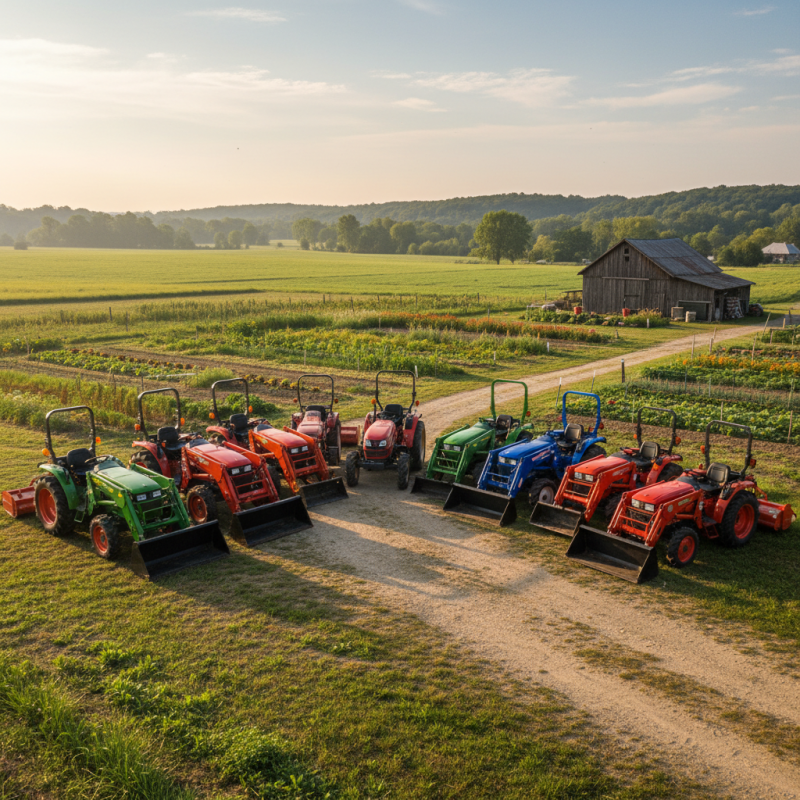
Features to Look for in Small Utility Tractors
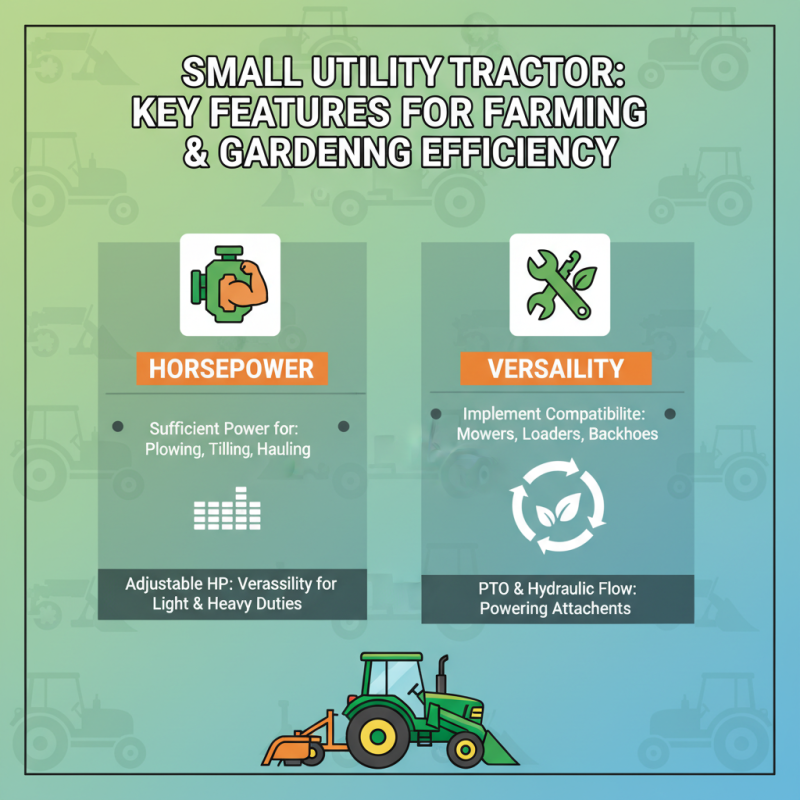
When choosing a small utility tractor for farming and gardening, there are several key features to consider that can significantly enhance efficiency and productivity. First and foremost, horsepower is crucial; a sufficient level of power is needed to handle various tasks such as plowing, tilling, and hauling. A tractor with adjustable horsepower can also provide versatility for both light and heavy duties, allowing for optimized performance based on specific needs.
Another essential feature is the type of transmission. Hydrostatic transmissions offer ease of use and smoother operation, particularly for those new to operating tractors. This type of transmission allows for seamless speed changes without the need for gear shifting, making it ideal for tasks that require precise control. In addition, look for tractors with a comfortable operator station, including adjustable seats, intuitive controls, and good visibility. These factors contribute to a more enjoyable working experience, reducing fatigue during prolonged use. Moreover, hydraulic lift capacity should not be overlooked, as it determines how much weight the tractor can manage for lifting and towing, enabling successful operation of different attachments and implements.
Top 10 Small Utility Tractors: An Overview
Small utility tractors have gained popularity among farmers and gardeners seeking efficient solutions for a variety of tasks. Designed for versatility and ease of use, these compact machines are equipped to handle activities from mowing and tilling to light hauling. According to recent industry reports, the demand for small utility tractors has increased significantly over the past few years, with a projected growth rate of 5.2% annually through 2026. This growth is driven by the rising interest in sustainable farming practices and an increase in small-scale agricultural operations.
In addition to their adaptability, small utility tractors often come with features that enhance performance and operator comfort. Many models include ergonomic controls and user-friendly designs, which reduce operator fatigue during prolonged use. A report from the Agricultural Equipment Manufacturers Association highlights that efficient design elements, such as improved engine technology and enhanced hydraulic systems, contribute to better fuel efficiency, allowing users to operate their tractors for longer periods without excessive fuel consumption. As urban gardening and small farms continue to flourish, the relevance of these machines in supporting local food production and efficient land management remains increasingly important.
Detailed Specifications of Each Recommended Tractor
When selecting a small utility tractor for farming and gardening, understanding the specifications of each recommended model is crucial for making an informed decision. A well-rounded tractor should feature a reliable engine, typically ranging from 20 to 50 horsepower, providing enough power for a variety of tasks such as tilling, mowing, and hauling. The size and weight of the tractor are also important, as they affect maneuverability and stability on different terrains. Compact dimensions allow for easy navigation through tight spaces, while a heavier build enhances traction and minimizes the risk of tipping.
Another vital specification to consider is the transmission type, which impacts how the tractor handles different operations. Gear-driven transmissions offer precision and control, making them suitable for intricate tasks, whereas hydrostatic transmissions provide smooth and effortless operation, ideal for general use. Additionally, hydraulic systems should be evaluated to ensure they can handle the attachments and implements you plan to use. A tractor with adequate lifting capacity and responsive controls will enhance productivity and reduce strain during operation. Lastly, user-friendly features such as comfortable seating and intuitive controls can make a significant difference in the overall experience of operating the tractor, ensuring efficiency in both farming and gardening tasks.
Top 10 Small Utility Tractors for Efficient Farming and Gardening
Maintenance Tips for Small Utility Tractors
Maintaining small utility tractors is essential for ensuring their longevity and optimal performance in farming and gardening tasks. Regular maintenance can prevent costly repairs and breakdowns, enabling smoother operations. One of the primary maintenance practices includes checking and changing the engine oil according to the manufacturer's recommendations. Fresh oil keeps the engine lubricated and free of harmful contaminants, which can lead to increased wear and tear. Additionally, ensuring that the air filter is clean helps maintain engine efficiency, as a clogged filter restricts airflow and can cause the engine to work harder than necessary.
Another vital maintenance task is to inspect and maintain the tires. Proper tire pressure is crucial for traction and fuel efficiency. Keeping the tires inflated to the recommended levels not only improves performance but also enhances safety while operating the tractor. It's advisable to regularly check for wear and damage, replacing tires as needed to prevent poor handling and accidents. Furthermore, the battery should be kept clean and charged, as a well-maintained battery is essential for reliable starting and operation.
By following these simple yet effective maintenance tips, users can ensure their small utility tractors remain efficient, reliable, and ready to tackle any farming or gardening challenge.
Comparative Analysis of Performance and Efficiency
When selecting a small utility tractor for farming or gardening, performance and efficiency are paramount factors to consider. Small utility tractors are designed to perform a variety of tasks, from tilling soil to transporting materials, which makes understanding their capabilities essential.
Analyzing the horsepower, torque, and fuel efficiency can provide valuable insights into how well a tractor can handle specific jobs. For example, tractors with higher horsepower can effectively manage heavier loads and tackle more demanding tasks, while those boasting better fuel efficiency can help reduce operating costs over time.
In addition to power and efficiency, maneuverability and ease of use are also critical elements in this comparative analysis. Small utility tractors often excel in tight spaces, making them ideal for gardening and small farms. Assessing the turning radius, weight distribution, and overall design can indicate how effectively a tractor will perform in various environments.
Furthermore, features such as intuitive controls and ergonomic seating can significantly enhance user experience, allowing farmers and gardeners to work more efficiently and comfortably. By evaluating these performance metrics and usability factors, one can determine which small utility tractor best suits their specific agricultural needs.