Top Panneau Wpc Benefits for Global Buyers in Construction?
The construction industry is evolving. One notable player is Panneau Wpc, a material that combines wood and plastic. This innovative solution is gaining traction worldwide. It offers numerous benefits for global buyers. According to Dr. Samuel Grant, an expert in sustainable materials, "Panneau Wpc represents a significant step towards eco-friendly construction."
Panneau Wpc is renowned for its durability and low maintenance needs. Unlike traditional materials, it resists rot, mold, and insects. These characteristics make it a preferred choice in various climates. Dr. Grant emphasizes the growing consumer demand for sustainable options. Buyers are looking for responsible solutions to meet their needs.
However, there are challenges. Some buyers may lack awareness of the material’s full potential. It is essential to educate stakeholders about Panneau Wpc benefits. The market continues to evolve, and companies must adapt. As demand for greener alternatives grows, understanding Panneau Wpc will be crucial for success.
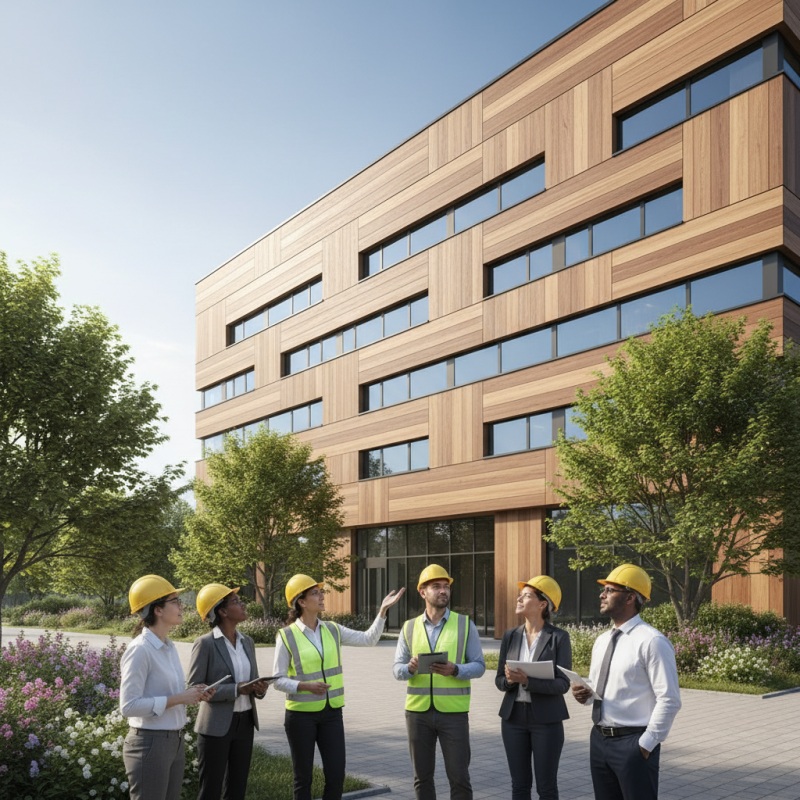
Top Advantages of WPC Panels in Modern Construction Practices
WPC (Wood Plastic Composite) panels have gained traction in modern construction due to their unique benefits. According to a report from Research and Markets, the WPC market is projected to reach USD 7 billion by 2027. This growth reflects a shift towards sustainable materials. WPC panels combine wood and plastic, creating a durable yet lightweight option for builders.
One advantage of WPC panels is their resistance to moisture and insects. Unlike traditional wood, they do not warp or rot when exposed to humidity. This is particularly beneficial in areas with high rainfall or humidity levels. Additionally, WPC panels require less maintenance, leading to long-term cost savings. A study by Grand View Research shows that maintenance costs for WPC are 30% lower than for wood.
However, some challenges remain. Not all WPC products are created equal, and quality can vary. Buyers should ensure they select panels that meet specific standards and expectations. Moreover, while WPC is often considered eco-friendly, the production process can still have environmental impacts. This is an area that continues to evolve, requiring ongoing assessment and improvement from manufacturers. Understanding these nuances is essential for making informed decisions in construction practices.
Sustainability: The Eco-Friendly Benefits of WPC Materials
WPC materials, or Wood-Plastic Composites, have gained traction in the construction industry for their eco-friendly attributes. They combine recycled wood fibers with plastic, reducing waste. This innovative material minimizes deforestation, as less virgin wood is required for production. As urban areas grow, this benefit is crucial for promoting sustainable building practices.
The lifecycle of WPC materials presents further environmental advantages. They are designed to last longer than traditional materials, reducing the frequency of replacements. Moreover, WPC products can be recycled at the end of their lifespan, contributing to a circular economy. However, challenges still exist; awareness and education on WPC recycling processes are necessary among buyers and contractors.
Not all WPC materials are created equal. Variations in quality can affect performance and sustainability claims. Buyers should scrutinize sources and certifications to ensure products meet eco-friendly standards. Engaging with manufacturers about their practices can lead to better decision-making in purchasing.
Durability Compared to Traditional Materials: Lifespan and Resistance Data
Panneau WPC (Wood-Plastic Composite) stands out in construction due to its exceptional durability compared to traditional materials. The lifespan of WPC panels often exceeds that of wood and even some plastics. With proper maintenance, they can last over 25 years. This longevity reduces the need for frequent replacements, making them a cost-effective choice in the long run.
In terms of resistance, WPC panels offer impressive performance against environmental stresses. They are less likely to warp, crack, or splinter. This resilience makes them ideal for outdoor applications, where moisture and temperature fluctuations are concerns. However, some users report that while WPC is resistant to stains, it can still show signs of wear over time. Regular cleaning and occasional resealing can help preserve its appearance.
The ease of installation is another benefit. WPC panels can be cut and shaped like wood, which simplifies the construction process. Yet, potential buyers should be mindful of the weight and handling. Some may find these panels cumbersome without appropriate tools. Paying attention to these details helps buyers make informed decisions.
Top Panneau Wpc Benefits for Global Buyers in Construction
| Material Type | Lifespan (Years) | Water Resistance | Maintenance Required | Environmental Impact |
| WPC (Wood Plastic Composite) | 25 - 30 | High | Low | Recyclable |
| Traditional Wood | 10 - 20 | Moderate | High | Not Easily Recyclable |
| PVC (Polyvinyl Chloride) | 20 - 30 | Very High | Low | Challenging to Recycle |
| Aluminum | 40 - 50 | High | Very Low | Recyclable |
Cost Efficiency Analysis: Long-Term Savings with WPC Panels
WPC panels, or wood-plastic composites, are gaining traction in the construction industry. One of the key advantages lies in their cost efficiency. When comparing initial investment to long-term savings, WPC panels emerge as a financially savvy choice. They have a longer lifespan than traditional materials, reducing the need for frequent replacements. This durability translates into lower maintenance costs over time.
Moreover, WPC panels are resistant to moisture, insects, and decay, which is vital for sustainability. These properties decrease repair expenses and extend the lifecycle of the building structures. Many buyers notice these long-term savings outweigh the upfront costs. However, it's essential to consider various factors, such as local climate and installation requirements, as these can impact performance.
Some may wonder if WPC panels can truly meet all their needs. While they offer significant advantages, they are not a one-size-fits-all solution. Evaluating specific project requirements is crucial. Buyers should weigh the benefits against potential drawbacks to make informed decisions. Exploring all options thoroughly can lead to wiser investments in the construction sector.
Aesthetic Versatility: Design Options and Market Trends in WPC Usage
Designing with WPC, or wood-plastic composite, offers numerous aesthetic benefits. The materials come in various colors and textures. This versatility allows architects and builders to create unique designs. The variety includes wood-like finishes, vibrant colors, and custom patterns. Buyers can easily find options that suit different styles and project needs.
When considering WPC, keep market trends in mind. Eco-friendly materials are gaining popularity. Consumers are more aware of sustainability. Using WPC can align your projects with green building practices. However, it’s essential to consider the environmental impact of the manufacturing process. Balance design preferences with eco-responsibility.
Tip: Always sample materials before final decisions. Seeing WPC in person helps gauge its texture and color in different lighting. Another tip is to stay updated on market trends. Join industry forums or follow design blogs. Networking with other professionals can spark new ideas. Embrace the imperfections in material selections; sometimes they lead to creative solutions.
Top Panneau Wpc Benefits for Global Buyers in Construction
