How to Use Fermentation with Floating Lid for Better Results?
Fermentation has gained significant attention in the food and beverage industry. Recent reports indicate that the global market for fermented products is projected to grow at a CAGR of 8.5% from 2021 to 2026. Among various techniques, Fermentation with floating lid is emerging as a popular method. This approach offers enhanced control over the fermentation process. It minimizes exposure to oxygen, promoting anaerobic conditions that are vital for specific fermentation outcomes.
Using fermentation with floating lid can lead to improved flavors and textures in products. Studies show that this method reduces the risk of contamination and spoilage, which is crucial for producers. However, many struggle to implement this technique effectively. Common issues include inadequate sealing and inconsistent temperatures. Addressing these challenges requires practical insights and expertise.
Despite the potential benefits, not every fermentation project succeeds. It is essential to monitor processes closely and adjust based on observations. Relying on fermentation with floating lid can yield remarkable results, yet it necessitates practice and an understanding of fermentation dynamics. A balance between science and art in this method could lead to innovative culinary experiences.
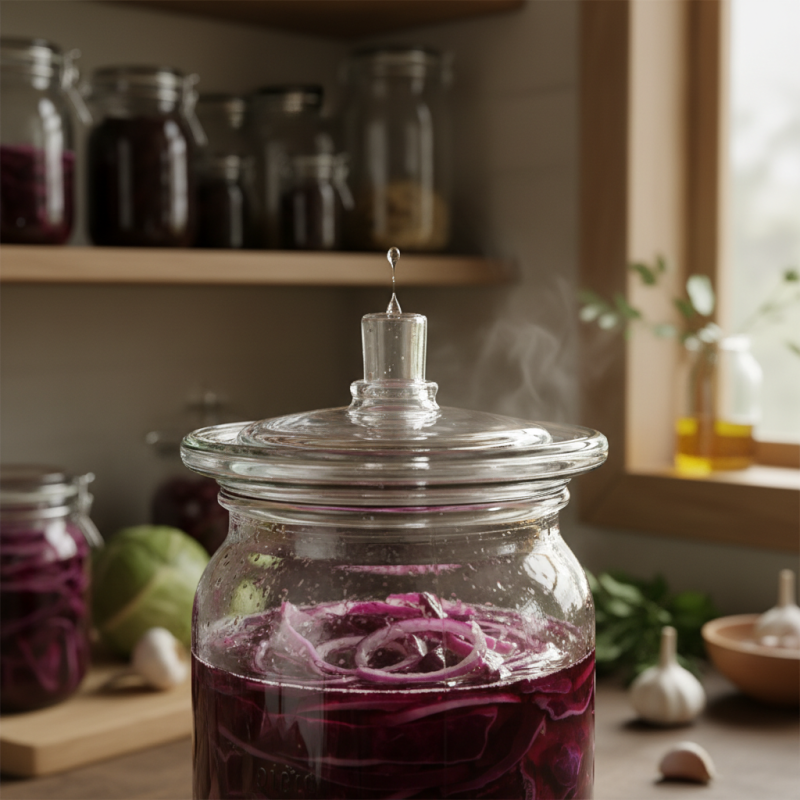
Benefits of Using Fermentation with a Floating Lid
Fermentation with a floating lid offers numerous benefits that enhance the fermentation process. One key advantage is the reduction of oxygen exposure. By using a floating lid, you minimize air contact, which helps to prevent unwanted mold and bacteria while promoting beneficial yeast and bacteria growth. This controlled environment leads to more consistent and flavorful results in your fermented foods.
Another benefit is the ability to manage liquid levels. As fermentation occurs, gases are released, which can cause liquids to bubble and overflow. The floating lid allows for some gas escape while keeping the liquid contained. This helps to prevent messy spills and makes the process less stressful. Additionally, it can help create a more efficient fermentation, as the floating lid can keep the desired temperature stable.
However, achieving the perfect balance can be tricky. Sometimes, you may notice that the fermentation isn’t progressing as expected. This could be due to temperature fluctuations or not maintaining the right ratio of ingredients. An imperfect environment may lead to bland or off-flavors. Observing and adjusting the conditions based on your results is essential in refining your technique. Keep a journal of your fermenting experiences to track patterns and outcomes for future reference.
Understanding the Fermentation Process with a Floating Lid
Fermentation is a fascinating process that transforms simple ingredients into flavorful products. Using a floating lid during fermentation can enhance this process. The floating lid helps create an anaerobic environment, ideal for bacteria and yeast. It prevents oxygen from interfering and promotes a better fermentation outcome.
Understanding how the floating lid works is crucial. As the ingredients ferment, gases build up, pushing the lid upwards. This natural response ensures that carbon dioxide escapes while limiting exposure to oxygen. Different foods react differently—some may ferment faster, while others slow down. It's essential to monitor the process closely.
Mistakes can happen. Sometimes, unwanted molds develop. This often indicates too much air exposure. Adjusting the floating lid correctly can mitigate this issue. Keep a close eye on temperature and duration. Not every batch will turn out perfectly, and that's part of the learning experience. Embrace the journey, and remember that each attempt offers valuable insights.
Steps to Prepare Your Ingredients for Fermentation
Preparing your ingredients for fermentation with a floating lid is vital for ensuring quality results. Start by selecting fresh and organic produce. Studies have shown that the nutrient quality of ingredients significantly affects the fermentation process. For instance, using organic vegetables can enhance beneficial bacteria growth. Aim for ingredients with a vibrant color, as they often indicate higher antioxidant levels.
Wash your ingredients thoroughly to eliminate any pesticide residues. Research indicates that proper washing reduces the risk of undesirable microbial contamination. Chopping your veggies into uniform sizes promotes even fermentation. The exposure of more surface area leads to better incorporation of salt and flavor.
When salting your ingredients, use the appropriate salt-to-ingredient ratio. Experts recommend a 2-3% salt solution for optimal fermentation. This concentration helps control harmful bacteria while promoting the growth of lactic acid bacteria. Be mindful of the salt type as it impacts flavor and fermentation speed. Fermentation can be a trial and error process. Expect some batches to taste different or not ferment as planned. Reflection on these experiences will help improve your technique over time.
Techniques for Maintaining Temperature and Conditions
Temperature and conditions are vital for successful fermentation. Maintaining a stable temperature is crucial. Research shows that fluctuations can hinder yeast activity. Yeast performs best around 22-25 degrees Celsius. Deviations can lead to stalled fermentation or off-flavors.
Utilizing a floating lid can help regulate temperature. This technique minimizes exposure to air, reducing temperature changes. A recent study highlighted that keeping conditions stable increases yield by up to 30%. A controlled environment limits the risk of contamination.
Monitoring humidity is equally important. Too much moisture can promote undesirable bacteria. Using hygrometers helps maintain ideal levels. However, achieving the perfect balance is challenging. Many brewers struggle with finding the right conditions. Experimentation is often required. Adjustments should be made based on specific ingredients and desired flavors.
Consider tracking changes in fermentation over time. Documenting results allows for better understanding and improvement.
Monitoring and Troubleshooting Common Fermentation Issues
Fermentation can be a tricky process. Using a floating lid helps maintain pressure and gas release. However, issues may arise. Monitoring is key to successful fermentation.
Temperature imbalances can occur. Ideal fermentation temperatures vary by type. High temperatures may lead to off-flavors, while low ones slow the process. Regularly check the temperature to keep it within the optimal range.
Bubbles should form during fermentation. If you're not seeing bubbles, check the seal of your floating lid. A loose seal can hinder gas release. Ensure the lid is fitted properly to prevent pressure buildup.
Tips: Always taste your fermentation periodically. This is the best way to gauge flavor development. If it tastes off, don't hesitate to adjust your environment or ingredients. Experimenting is part of the process, and not every batch will turn out as expected. Use these setbacks as learning opportunities to refine your technique.
How to Use Fermentation with Floating Lid for Better Results? - Monitoring and Troubleshooting Common Fermentation Issues
| Fermentation Stage | Common Issues | Symptoms | Solutions |
| Primary Fermentation | Stuck fermentation | No bubble activity in airlock, sediment not moving | Increase temperature, aerate the wort, or add yeast nutrient |
| Secondary Fermentation | Off-flavors | Bitter or sour taste | Check for contamination, ensure complete fermentation |
| Conditioning | Cloudiness | Hazy appearance | Allow more time for settling, use fining agents |
| Bottling | Over-carbonation | Gushing or explosion of bottles | Reduce sugar addition before bottling, check fermentation completion |
