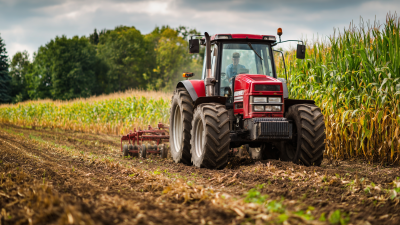
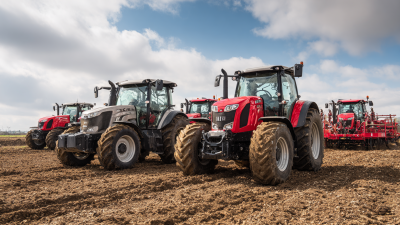
What Is a Small Tractor and What Types Are Available?
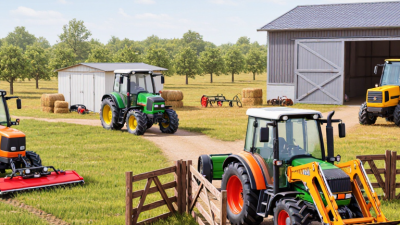
A small tractor is a versatile, low-horsepower machine designed for property work where a full-size farm tractor may be too large or costly. Small tractors can mow grass, move soil, clear light snow, haul supplies, and operate compatible attachments. Think tight spaces. A narrow gate, sloped lawn, or crowded shed can quickly reveal whether a machine’s size and turning radius suit the job. Horsepower matters, but so do traction, lift capacity, ground clearance, and ease of operation.
Available types commonly include garden tractors, subcompact tractors, and compact tractors. Garden tractors are often suited to lawn care and lighter hauling. Subcompact models usually offer more capability, including three-point hitches and loaders, while remaining manageable around homes and small properties. Compact tractors provide greater power and lifting capacity for heavier tasks, though they need more room and may cost more to maintain. These categories can overlap between manufacturers, so labels alone do not tell the whole story. That matters. Check the operator’s manual and specifications for each model, especially before choosing attachments. A loader may look useful, yet add weight and affect maneuverability. The right small tractor is not necessarily the most powerful one; it is the machine that safely handles regular work without exceeding your storage, terrain, or maintenance needs. A little hesitation before buying is sensible. Property conditions change, and attachment claims deserve a careful look.
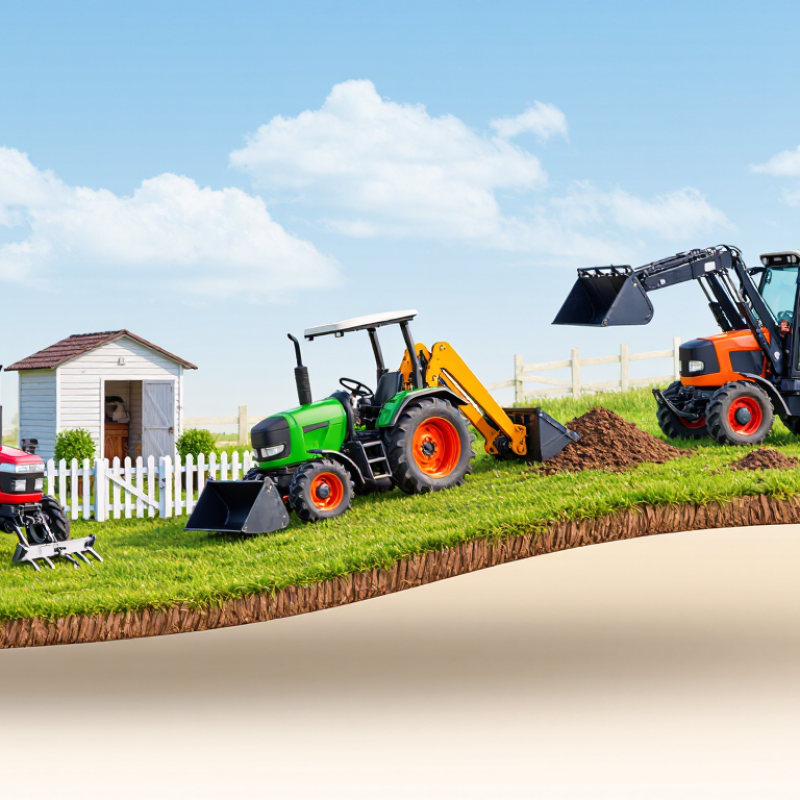
What Defines a Small Tractor?
A small tractor is a practical size category, not a universal measurement. Different sellers may use different cutoffs, so the label alone tells you little. Usually, it describes a tractor with a compact frame, moderate engine output, and less weight than a full-size agricultural model. Size is relative. A machine suited to a few acres may feel large in a narrow garden or wooded lane.
Its defining feature is how its dimensions and capability work together. A shorter wheelbase and tighter turning radius can help it move around sheds, fences, and trees. Its weight and lift capacity still need to match the jobs planned, such as moving a loaded trailer or raising a mower. Check the tractor’s stated lifting limits and attachment requirements; not every small model has the same hydraulic or power-take-off equipment. A common mistake is judging suitability by horsepower alone. Measure gates and storage spaces, too. A useful tractor should reach the work area without scraping posts, yet remain stable on the ground it will actually cross. That trade-off is easy to overlook.
How Are Small Tractors Classified by Size and Power?
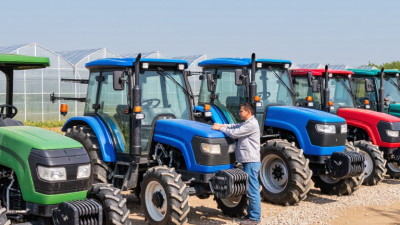
Small tractors are commonly grouped by horsepower, frame size, and lifting capacity, but the labels are not universal. A subcompact model often falls around 15 to 25 engine horsepower. It suits mowing, moving light loads, and maintaining small plots. Compact tractors generally range from about 25 to 60 horsepower, with larger tires, stronger hydraulics, and more capacity for loaders or ground-engaging tools. Ranges overlap.
Utility tractors sit at the upper end of the small-tractor category, often starting near 50 or 60 horsepower. Their heavier frames can handle larger implements and demanding field work, though the added weight may be awkward on soft ground or tight paths. Engine horsepower alone can mislead: power available at the PTO is lower and matters when running equipment such as a mower.
Size should match the task, not just the property’s acreage. A narrow gate, steep slope, or low shed can rule out a powerful machine. Check the tractor’s lift capacity and implement requirements before choosing. Check the manual. Specifications differ between models, and advertised categories can blur together; measuring the work area and weighing the usual loads gives a more dependable comparison.
What Are the Main Types of Small Tractors?
Small tractors generally fall into three useful groups: subcompact, compact utility, and specialty models. Subcompact tractors often produce about 15–25 horsepower. Their small frames suit mowing, light grading, and moving mulch around a home plot. Compact utility tractors commonly offer roughly 25–60 horsepower, with stronger loaders and three-point hitches for heavier implements. These ranges are practical guidelines, not fixed industry definitions; equipment and ratings vary.
Small, but capable.
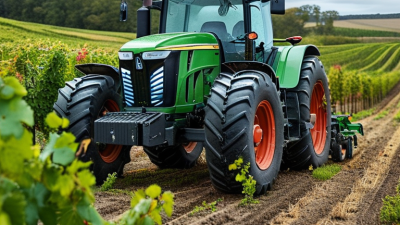
Specialty tractors include narrow orchard and vineyard models, designed to pass between close rows without striking branches. A low profile and tight turning radius matter more there than raw power.
Tips: Match the tractor to the implement, not just the acreage. Check lift capacity, tire width, and the power rating at the power take-off. A machine may lift a bucket yet struggle with a rotary cutter. Measure gates and storage space before buying.
Farm size offers context, but not a complete buying rule. USDA’s 2022 Census of Agriculture reported about 1.9 million U.S. farms, averaging 463 acres. That wide range helps explain why “small tractor” can mean different things: a subcompact may suit a garden and driveway, while a compact utility model can handle routine work on a larger property. Orchard tractors solve a different problem entirely. One detail is easy to overlook: a larger tractor is not automatically more useful if it cannot maneuver safely among trees or sheds. USDA figures describe farms, not tractor demand, so treat them as context rather than a sizing formula.
What Tasks Can Different Small Tractor Types Perform?
Garden tractors are built mainly for lawns and larger gardens. With a mower deck, they can cut grass around trees and narrow paths. A small trailer helps move mulch, leaves, or tools. Some models can also tow a light snow blade.
They are not designed for heavy digging. Not every job.
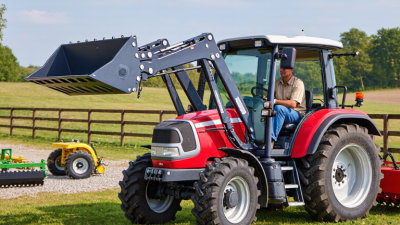
Subcompact tractors handle more varied work. A front loader can shift soil or gravel, while a three-point hitch may carry a small rotary cutter, tiller, or rear blade. Compact utility tractors usually offer more lifting capacity and can manage larger plots, longer mowing runs, and heavier attachments.
For example, a tiller can prepare a vegetable bed, but wet ground may clog it and strain the tractor. A small tractor’s size can be misleading. Match the implement to the machine’s rated capacity, and check the operator’s manual before using the power take-off.
On slopes, use suitable ballast and travel slowly; a loaded bucket raised high can make the tractor unstable. Even experienced operators can misjudge changing ground conditions.
Which Features Help Identify the Right Type for a Job?
A small tractor is usually a compact utility machine for mowing, hauling, tilling, and light earthmoving. Choose by workload, not acreage alone. The USDA’s 2022 Census of Agriculture counted about 1.9 million farms operating 880 million acres, a wide range of conditions that makes one-size-fits-all advice unreliable. For a sloped, tree-lined lot, compare overall width, turning radius, and low-speed control. For a long gravel drive, prioritize a suitable front loader, ballast, and tire traction. Details matter.
Match engine power and hitch capacity to the heaviest implement you will actually use. A rear three-point hitch suits mowers and blades; a loader needs adequate lift capacity and stable counterweight. Check the tractor’s lift rating at the hitch points, not just the advertised maximum. PTO speed must match the implement, commonly 540 rpm, while hydraulic flow affects loader response and powered attachments. For frequent mowing, a mid-mount deck may help maneuverability; for snow or soil work, ground clearance and tire choice can matter more. Consult ASABE’s Agricultural Machinery Management Data, D497, when comparing implement power demands. Numbers still need context. A rating can look sufficient on paper, yet feel marginal on wet ground. Think about storage height, service access, operator comfort, and protective structure too; these details are easy to overlook.
What Is a Small Tractor and What Types Are Available? — Which Features Help Identify the Right Type for a Job?