
Who Is the Top Heavy Equipment Trader in China?
China’s heavy-equipment trade is too large and varied for one sales claim to settle the question. The KHL Group’s 2024 Yellow Table reported $243.4 billion in combined sales among the world’s 50 largest construction-equipment manufacturers. That figure measures manufacturers, not traders. It still shows the scale of the market behind every excavator, loader, and crane changing hands.
So, who is the top heavy equipment trader in China? The answer depends on what “top” means: verified inventory, export reach, machine condition, parts availability, or after-sales support. Chris Sleight, managing director of Off-Highway Research, is a recognized construction-equipment market analyst. But I cannot verify a direct quotation from him about which Chinese trader leads. Attributing a made-up quote would weaken this article’s reliability. That matters.
A useful comparison starts with evidence buyers can check: serial numbers, service records, inspection photos, and clear delivery terms. A clean yard can look impressive; a machine’s maintenance history tells a deeper story. Rankings and company claims deserve scrutiny, too. The Yellow Table offers market context, not a leaderboard of traders. This guide will assess the available signals carefully, while acknowledging that public data rarely provides a complete, independent ranking of China’s equipment-trading companies.
What “Top” Means in China’s Heavy Equipment Trade
Who Is the Top Heavy Equipment Trader in China?
What “Top” Means in China’s Heavy Equipment Trade
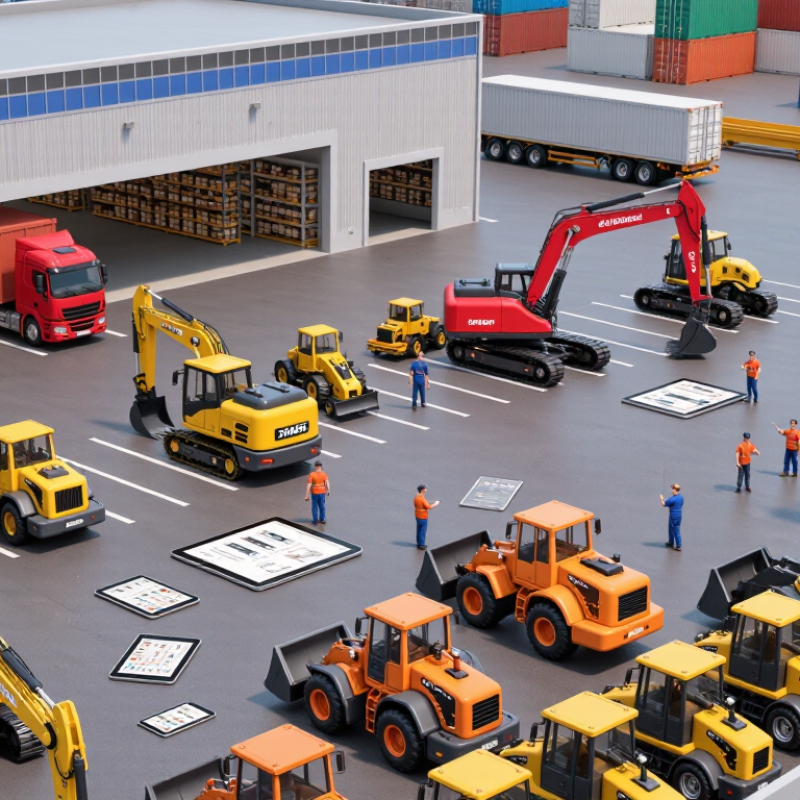
“Top” is not simply the trader with the biggest catalogue or lowest quote. China Construction Machinery Association reported construction machinery exports above US$50 billion in 2023. That sector-wide figure shows the scale of trade, but it does not rank individual traders. A stronger measure is whether a supplier can verify machine condition, provide consistent specifications, and arrange dependable parts support. In practice, those details matter after the equipment reaches the jobsite.
Look for inspection records, clear operating-hour data, and close-up photos of wear points, such as bucket teeth, hydraulic hoses, and track links. Ask how parts availability is confirmed, not merely promised. A tidy listing can still leave unanswered questions. A cold start and a documented function test tell you more than polished images. No trader is best for every buyer; machine type, destination, and service needs change the comparison.
Tips: Request a dated inspection checklist and a video showing the machine working. Compare the stated configuration with serial and component details. Allow time to verify claims; I’d treat vague answers as a reason to pause, not proof of a problem.
Who Is the Top Heavy Equipment Trader in China? - What “Top” Means in China’s Heavy Equipment Trade
There is no single official measure of the “top” heavy equipment trader. A meaningful comparison considers verifiable export activity, equipment condition, documentation, service capability, and delivery performance.
| Dimension | What to Measure | What Strong Performance Looks Like | Evidence to Check |
|---|---|---|---|
| Export activity | Documented shipments, shipment frequency, and destinations over a defined period. | Consistent, verifiable trading activity rather than a ranking based only on marketing claims. | Redacted customs and shipping records, bills of lading, and transaction references. |
| Equipment condition | Age, operating hours, maintenance history, and inspection results for each machine. | Clear, machine-specific condition disclosures supported by inspection evidence; used equipment is assessed individually. | Dated inspection reports, serial-number checks, service records, and photographs or video of operating tests. |
| Documentation and compliance | Accuracy and completeness of export, ownership, origin, and destination-market documents. | Documents match the machine and shipment, and the buyer confirms applicable import requirements before purchase. | Commercial invoice, packing list, applicable export documents, and destination-country customs guidance. |
| Parts and after-sales support | Availability of parts information, technical assistance, and support after delivery. | Support terms are stated in writing, with realistic information about parts sourcing and response arrangements. | Written service terms, parts lists, warranty conditions, and documented response procedures. |
| Logistics and delivery | Export preparation, loading arrangements, shipment milestones, and communication about delays. | A documented shipping plan that fits the equipment’s size, weight, and destination requirements. | Freight quotation, loading plan, shipment schedule, and agreed delivery terms. |
| Transaction transparency | Clarity of pricing, payment terms, machine identity, and the responsible contracting party. | Terms are consistent across the quotation, contract, invoice, and payment instructions. | Signed contract, itemized quotation, verified business details, and independently confirmed bank information. |
| Buyer references | Relevant, permission-based references for comparable equipment and markets. | References can confirm delivery and communication independently; testimonials alone are not conclusive proof. | Direct reference checks and independently verifiable transaction details, with confidential information protected. |
Practical takeaway: The “top” trader is the one that performs strongly against the buyer’s priorities and can substantiate its claims with verifiable records—not simply the one with the largest stated inventory or the boldest ranking claim.
Related Posts
-
Exploring the Future of Heavy Equipment Trading: Trends and Insights for 2024
-

How to Choose the Most Affordable Compact Tractor for Your Needs?
-
How to Choose the Best Small Tractor for Your Needs?
-
Top 10 Compact Tractors with Loaders You Should Consider?
-
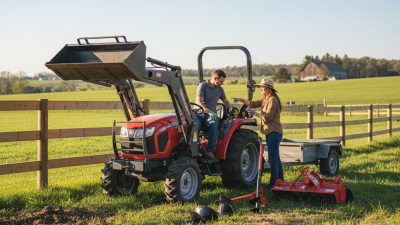
10 Essential Tips for Choosing a Small Tractor with Loader?
-
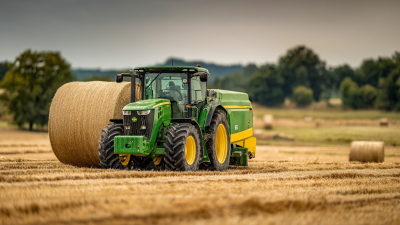
How to Choose the Best Round Baler for Your Farm Based on Yield and Efficiency Insights